Cyprus’s climatic conditions, with a long hot season when temperatures consistently exceed 35°C and humidity reaches 70–80%, dictate strict requirements for building engineering systems. In 2026, the presence of standard split-system air conditioners in premium properties in Limassol or Paphos is considered a sign of outdated housing. VRV (Variable Refrigerant Volume) systems have become the gold standard for investors and expats. These multi-zone air conditioning systems can provide an individualized microclimate in each room with maximum energy efficiency and aesthetic perfection.
Technological superiority of VRV over traditional solutions
The main difference between a VRV system and a conventional air conditioner is the ability to regulate the amount of refrigerant supplied to each indoor unit based on current demand. In traditional split systems, the compressor cycles on and off, leading to sharp spikes in energy consumption and wear and tear on the equipment.
The 2026 VRV system is a highly intelligent system, with one powerful outdoor unit serving up to 64 indoor units of various types. Inverter technology allows the system to operate at minimum speed, maintaining the set temperature with an accuracy of 0.5°C. This eliminates drafts and temperature discomfort zones, which is critical for families with children.
Key benefits for Cyprus property owners
- Energy efficiency class A+++. In Cyprus, where electricity costs in 2026 are approximately €0.38 per kWh , resource conservation is a priority. VRV systems consume 30–50% less energy than separate split systems of similar capacity.
- Centralized control. All indoor units are connected to a single network. The owner can control the climate throughout the entire home from a single touch panel or via smartphone from anywhere in the world.
- Low noise levels. Outdoor units of VRV systems operate significantly quieter than standard air conditioners. Ducted indoor units are virtually silent (sound pressure levels from 19 dB), providing ideal sleeping conditions.
- Reliability and durability. The service life of VRV systems from leading brands (Daikin, Mitsubishi Electric) is 20–25 years, which is twice as long as that of household air conditioners.
Comparative characteristics of air conditioning systems in 2026
To objectively assess the feasibility of investing in a VRV system, a comparison table is provided with multi-split systems, which are often offered in budget new buildings.
| Characteristic | Multi-split system | VRV system (Standard 2026) |
| Number of indoor units | up to 5 pieces | up to 64 pieces |
| Maximum route length | 50 – 80 meters | up to 1000 meters |
| Temperature maintenance accuracy | ± 1.5°C | ± 0.5°C |
| Equipment service life | 8 – 12 years old | 20 – 25 years old |
| Integration into a Smart Home | Limited (via IR) | Full (KNX, BACnet protocols) |
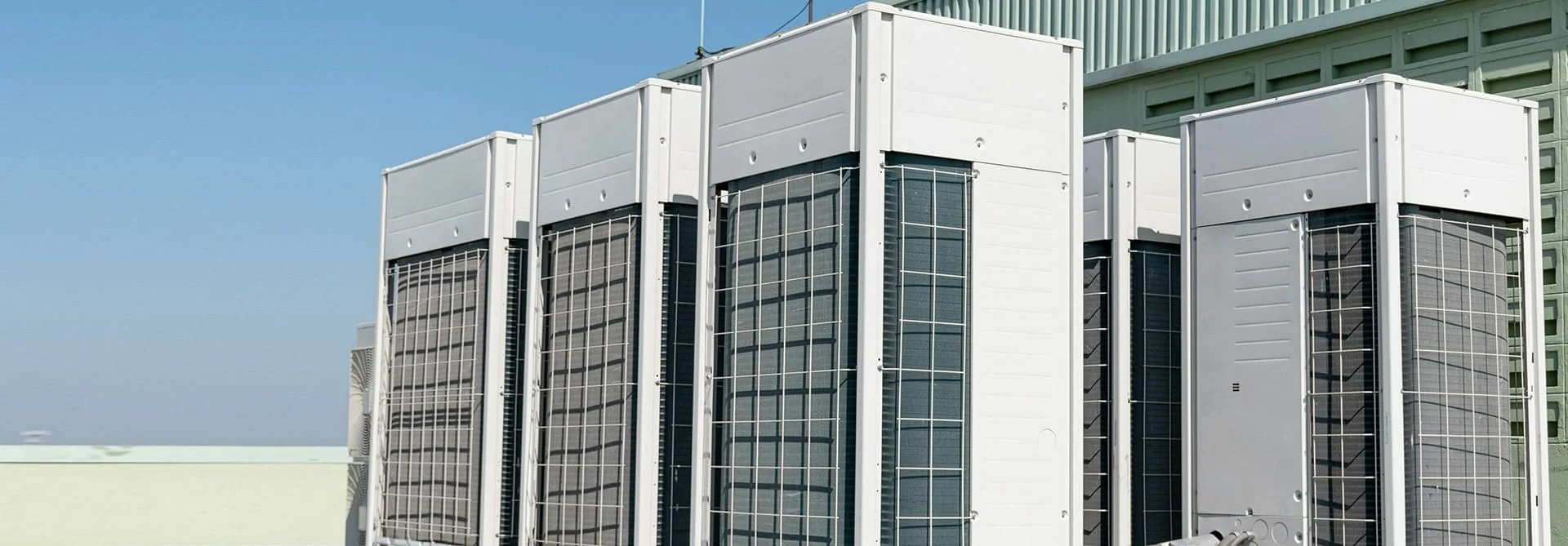
| Impact on the building facade | Several blocks on the walls | One hidden block on the roof/ground |
Aesthetics and Design: The Hidden Potential of VRV
In luxury real estate in 2026, interior design plays a crucial role. VRV systems eliminate the need for bulky wall-mounted units that disrupt the visual harmony of the space.
Ducted indoor units
The most popular solution in Cyprus is installing ducted units behind a suspended ceiling. In living areas, only elegant ventilation grilles or diffusers remain visible. This gives designers complete freedom in decorating the walls, using moldings, mirrors, or expensive wallpaper.
Preservation of architectural appearance
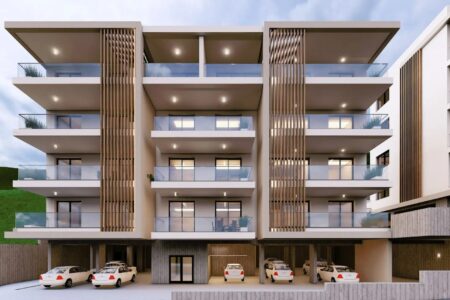
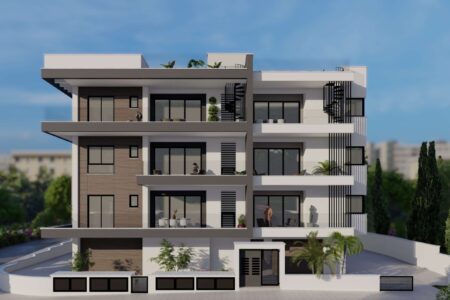
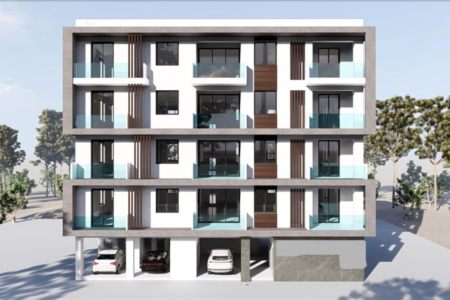
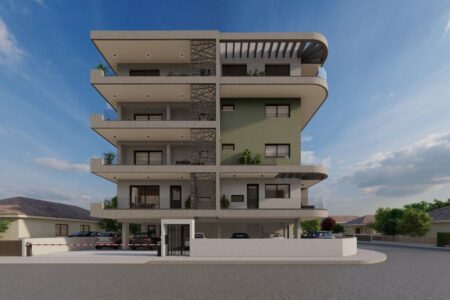
In 2026, developers of premium residential complexes are designing special utility niches on roofs or in basements to accommodate outdoor VRV units. This frees balconies and facades from the clutter of metal boxes, preserving the clean architectural lines and panoramic views of the Mediterranean. For penthouse buyers, this means the ability to fully utilize terrace space for relaxation areas and jacuzzis without the noise and heat of air conditioners.
Integration with renewable energy and smart home
In 2026, VRV systems in Cyprus will work closely with government energy saving programs.
- Net metering and solar panels. VRV systems are ideally suited for use with photovoltaic systems. During the day, during peak solar activity, the system uses the “free” energy to cool the home and feeds any excess energy back into the grid.
- Intelligent zoning. Thanks to occupancy sensors, the system automatically switches to economy mode in empty rooms. In 2026, machine learning algorithms anticipate the owner’s schedule, cooling the bedroom at bedtime and raising the temperature in the living room after guests leave.
- Heat recovery. Advanced VRV systems with heat recovery (three-pipe) can simultaneously cool some rooms and heat others using excess heat. In Cyprus, this is especially useful during transitional periods (November, March), when the sunny side of the house requires cooling, while the shady side requires gentle heating.
Design and installation features in Cyprus
Installing a VRV system is a complex engineering process that must begin at the architectural design stage. As of 2026, specialized engineering firms are operating in Cyprus that calculate heat loss based on glazing area, building orientation, and wall materials.
Protecting the equipment from corrosion is an important aspect. The proximity of the sea and the high salinity of the air are harsh on heat exchangers. When choosing a system for coastal areas of Limassol, a Blue Fin or Gold Fin anti-corrosion coating is a must.
The cost of a typical three-bedroom apartment (120–150 m² ) in 2026 is between €12,000 and €18,000, including design, equipment, and installation. Despite the high initial cost, the system pays for itself in 5–7 years due to reduced electricity bills and the elimination of frequent repairs.
FAQ: Frequently Asked Questions
Is it possible to install a VRV system in a finished apartment?
Installing VRV in an existing interior is extremely difficult and financially unfeasible. The system requires extensive copper pipework (freon lines) and air ducts, which inevitably leads to ceiling removal and partial remodeling. It is recommended to plan the transition to VRV during a major renovation or when purchasing a property under construction.
How difficult is it to maintain a VRV system in Cyprus?
Maintenance is performed once a year before the start of the active cooling season. This includes cleaning the indoor unit filters, checking the refrigerant pressure, and diagnosing the outdoor unit’s electronics. In Cyprus, as of 2026, there are plenty of certified service centers from major brands that provide contracted services. The cost of a one-time system maintenance for 5-7 units is approximately €250-€400.
Is a VRV system suitable for heating a home in winter?
Yes, modern VRV systems are efficient air-to-air heat pumps. They can effectively heat rooms even at sub-zero temperatures (a rarity in Cyprus), consuming four times less energy than electric heaters. For luxury properties in 2026, VRV is often combined with hydronic underfloor heating to create maximum comfort during the winter months.
Which brand of VRV system is best for the Cyprus climate?
Japanese brands Daikin and Mitsubishi Electric remain the undisputed market leaders in 2026. They boast the most extensive service support network on the island and are adapted to operate in extremely high temperatures of up to +52°C. Samsung and LG systems are also in demand due to their deep integration with smart gadget ecosystems and competitive pricing.
Is a special permit required to install a VRV outdoor unit?
If you install the unit in a designated rooftop or utility area, no additional permits are required. However , if the unit is to be installed in a prominent location on the façade or in the common areas of the complex, the consent of the residents’ committee is required. As of 2026, most modern residential complexes in Cyprus have pre-designed areas for VRV equipment.