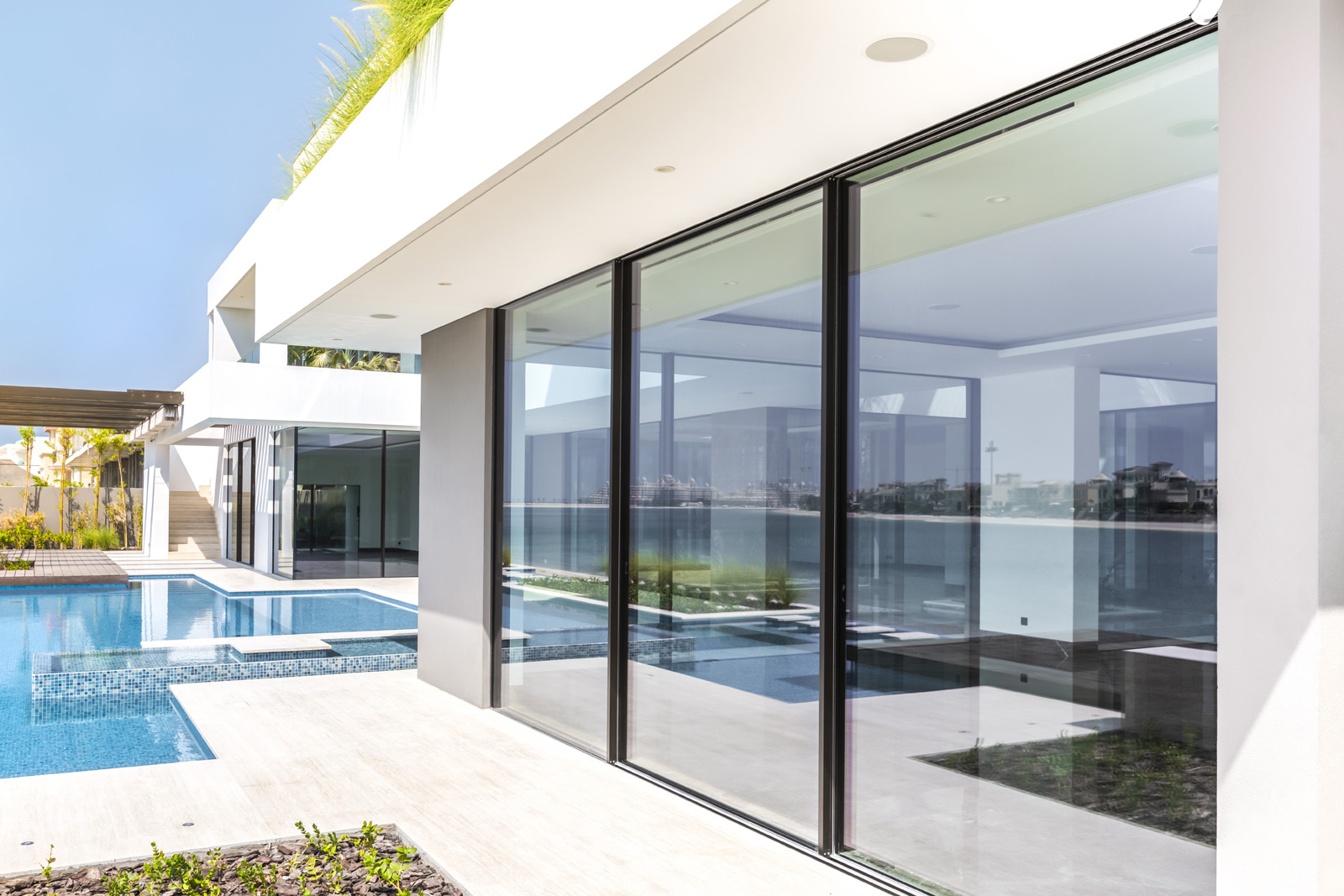
In 2026, the issue of energy efficiency in Cyprus has ceased to be theoretical and has become a matter of strict financial planning. With an average of over 320 sunny days per year and persistently high electricity costs (EAC), translucent structures are the main contributor to heat loss in winter and overheating in summer. For property owners in Limassol, Paphos, or Larnaca, the type of glazing directly determines whether their monthly air conditioning bill will be €150 or exceed €500.
Cyprus’s Energy Landscape in 2026
Currently, electricity tariffs in Cyprus remain among the highest in the EU due to dependence on imported fuel and CO2 emissions taxes. Despite the active implementation of solar panels (net metering), baseline consumption remains high. According to new EU standards, introduced in 2026, all new construction on the island must meet energy efficiency class A. However, up to 70% of properties on the secondary market are equipped with outdated aluminum profiles and standard double-glazed windows, turning these properties into “energy black holes.”
The Physics of the Process: Why Standard Windows Don’t Work
In Cyprus, the main budget enemy is infrared and ultraviolet radiation. Regular glass transmits up to 85% of solar heat into a building. This creates a “greenhouse effect”: walls and furniture heat up, and air conditioners are forced to operate at maximum capacity to compensate for the constant influx of thermal energy. As of 2026, professional property audits will include mandatory verification of the U-value and solar energy transmittance coefficient (SHGC).
Key technology decisions of 2026
- Low-E coating (energy-saving glass): A thin layer of metal oxides that reflects thermal radiation back towards the source (outside in summer, inside the house in winter).
- Argon filling: Replacing the dry air between the panes with inert argon gas reduces convection and thermal conductivity of the glass unit by 15–20%.
- Thermal Break: Special polyamide inserts inside the aluminum profile that prevent heat transfer through the metal. Without a thermal break, even the most expensive double-glazed unit loses its effectiveness.
- Multifunctional glass (4S – Four Seasons): A combined solution that simultaneously protects against solar overheating and retains heat inside.
Comparative analysis of the efficiency of glazing types
For clarity, let’s consider the impact of glazing type on the operating costs of a 200 sq. m villa under typical Cyprus weather conditions in 2026.
| Glazing type | U-value (W/m²K) | Thermal transmittance (SHGC) | Average electricity bill (July-August) | Payback period of the system |
| Single glass in old profile | 5.8 | 0.82 | €550 – €700 | Not applicable |
| Standard double glazing | 2.8 | 0.70 | €380 – €450 | 7–8 years old |
| Double Glazing with Low-E and Thermal Break | 1.4 | 0.45 | €220 – €280 | 4–5 years |
| Triple Glazing (3 glasses) + Argon | 0.8 | 0.35 | €160 – €210 | 6–7 years old |
The data in the table is based on current 2026 tariffs, maintaining the indoor temperature at 23°C.
Glazing as a tool for increasing capitalization
For an investor purchasing property in Cyprus in 2026 for subsequent rental or resale, high-quality glazing is a critical liquidity factor.
Long-term benefit for the investor
- Reduced depreciation: Air conditioners in homes with high-quality glazing operate in a gentle mode, which doubles their service life.
- Acoustic comfort: Modern triplex windows reduce urban noise levels by 40–45 dB, which is critical for properties in the center of Limassol or near the Molos embankment.
- Interior protection: Glass with a UV filter prevents fading of expensive furniture, parquet floors and art objects.
Legal requirements and EPC certification
As of 2026, an Energy Performance Certificate (EPC) will be mandatory for all purchases and sales in Cyprus. Buyers have become more aware: the difference in market value between a Class A property and a Class C property, all other things being equal, can be as much as 15%. Properties with panoramic glazing that does not meet modern standards are subject to additional commissioning fees, and tenants are increasingly demanding proof of low utility bills before signing a contract.
Recommendations for choosing during renovation
If you’re planning a home renovation in 2026, replacing the glazing should be your top priority, ahead of cosmetic repairs.
- Profile selection: For coastal areas of Cyprus (up to 500 meters from the sea), it is recommended to use aluminum with an anodized coating or a special Seaside Class powder coating to prevent corrosion from salt air.
- Replacement of only the glass unit: In some cases, if the profile has a thermal break and is in good condition, it is possible to replace only the double-glazed windows with modern multifunctional ones, which is 40–50% cheaper than a complete window replacement.
- Orientation: For southern and western facades in 2026, experts recommend installing glass with the lowest SHGC value (below 0.40), while for the northern side, more transparent options can be selected.
Economic feasibility: ROI calculation
Investing in premium glazing for a villa in 2026 costs an average of €8,000–€12,000 more than basic options. However, savings on energy bills of €150–€200 per month during the peak season (eight months a year) allow the difference to be recouped in 5–6 years. Considering rising property values and energy efficiency requirements, such an upgrade adds up to €25,000 to the property’s value, providing an immediate return on investment.
FAQ: Frequently Asked Questions
Does window tinting provide heat protection as effectively as Low-E glass?
In 2026, standard window tint film is considered a temporary and ineffective solution. It absorbs heat, warming the glass itself, which can lead to cracking due to thermal shock. Professional Low-E coating reflects rather than absorbs heat, making it three times more effective at protecting a room from overheating.
Is triple glazing required in Cyprus in 2026?
In Cyprus, triple glazing is suitable for properties located in the mountains (Troodos, Tala) or for homes aiming for Passive House status. For coastal areas of Limassol and Paphos, double glazing with multifunctional glass and argon filling remains the optimal price-quality option in 2026.
How to check the quality of glazing when buying a finished property?
During the 2026 inspection, experts will use portable Low-E coating detectors and thermal imaging cameras. Thermal imaging on a hot day clearly shows cold bridges and hot spots. The markings on the spacer inside the insulated glass unit should also be checked: they should indicate the production date, glass type, and gas content.
Does the type of window opening affect energy efficiency?
Yes, sliding systems, popular in Cyprus due to their space-saving properties, traditionally have lower air-tightness ratings than hinged systems. However, in 2026, leading manufacturers offer Lift & Slide systems with a lift-and-slide mechanism that ensure a seal at the same level as casement windows using special seals.
Is it possible to receive government subsidies for window replacement in 2026?
The Cypriot government will continue implementing its energy efficiency improvement programs for residential buildings (Exoikonomo – Anavathmizo) in 2026. Under these programs, owners can receive compensation of up to 60% of the cost of glazing replacement if this results in a building’s energy efficiency rating being raised by two levels. Subsidies are available to both Cypriot citizens and permanent residents from EU countries and third countries.