Neapolis is one of Limassol’s most dynamic and densely populated districts, continuing to hold its status as the “heart of the city” in 2026. Situated between the historic center and the tourist area of Germasogeia, this area offers a unique blend of coastal living and a developed business infrastructure. For investors and expats, Neapolis remains a challenging yet highly profitable market, where the modern luxury of skyscrapers sits alongside residential buildings built in the 1980s and 1990s.
The architectural landscape of Neapolis: an era of contrasts
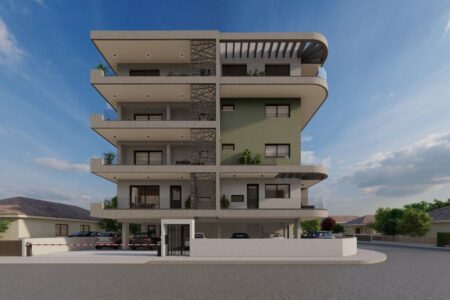
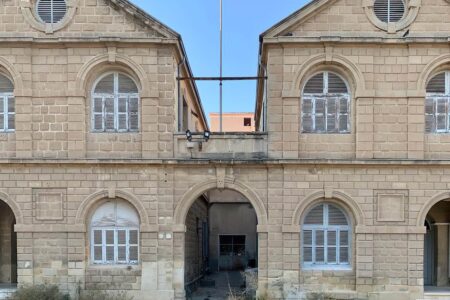
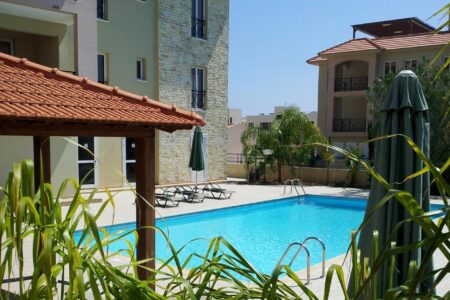
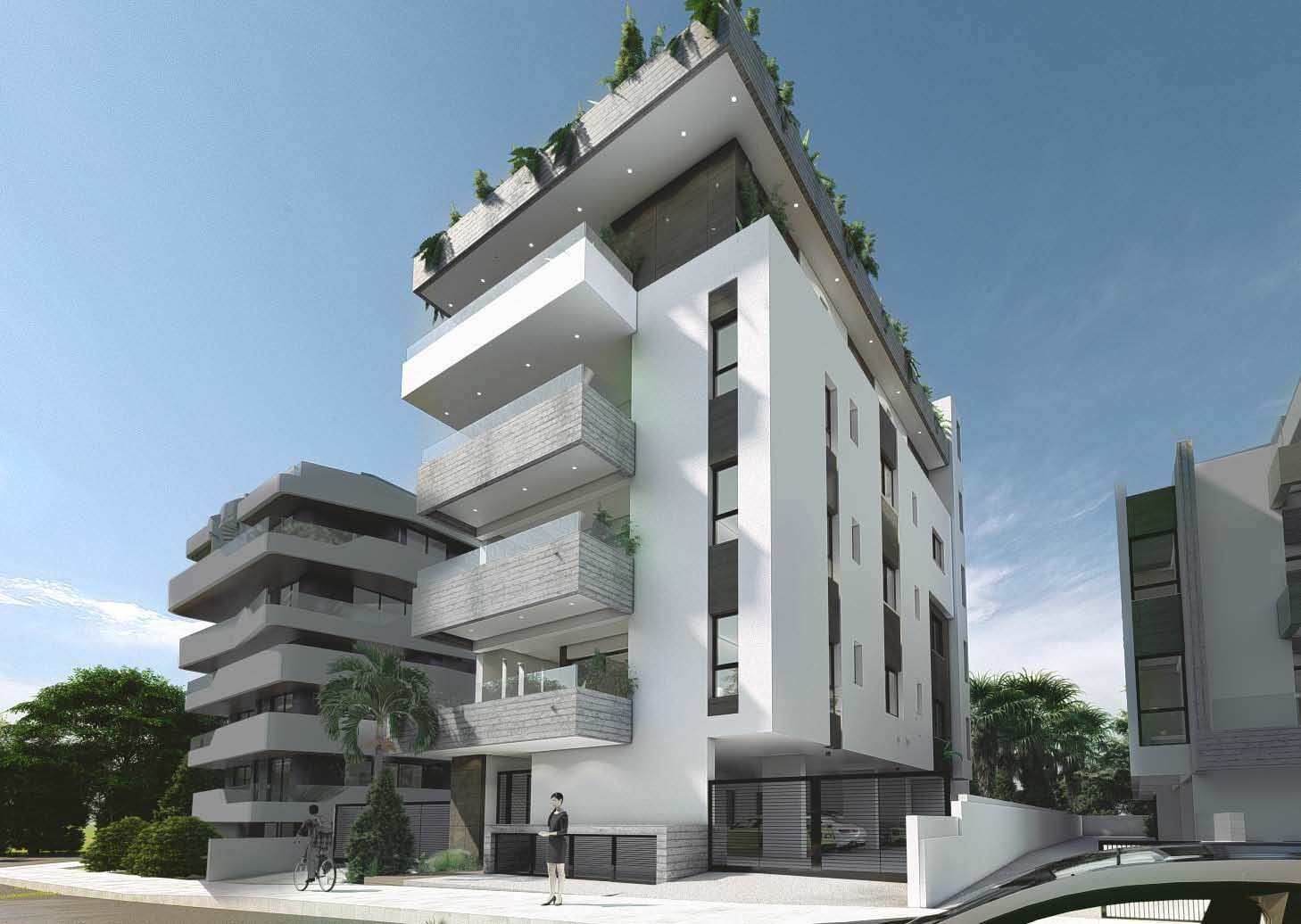
In 2026, the Neapolis skyline was shaped by a symbiosis of classic Cypriot architecture and futuristic high-rises. While the waterfront is occupied by premium properties like Trilogy or Olympic Residence, the 200-500-meter-deep section of the district is dominated by older buildings. These are four- to five-story buildings, which are now becoming the primary focus for buy-to-renovate strategies.
Housing in 30-year-old buildings in Naples has characteristics that in 2026 are valued higher than in new economy-class buildings:
- Floor area: In older buildings, the norm for 2-bedroom apartments is 90–110 m², while modern budget projects are often limited to 75–85 m².
- Location: Old houses occupy prime plots of land—a 2-3-minute walk from the sea—which is virtually impossible to find in new mid-price developments in 2026.
- Capitalization Potential: Property values in Neapolis increase by 40–60% after high-quality renovations, making the area attractive to experienced investors.
The Benefits of Living in Neapolis in 2026
Living in Neapolis is chosen by those who value the “15-minute city” format, where a car becomes an option, not a necessity.
- Walkable waterfront: The Molos Promenade and public beaches are within close proximity. The coastline’s modernization, complete with new bike paths and recreation areas, was completed in 2026.
- Developed commercial network: The largest supermarkets (Alphamega), private clinics, banks and offices of international IT companies are located here.
- Social Integration: Neapolis is home to one of Limassol’s most international communities. Here you’ll find Russian-language pharmacies, international schools within a 10-minute drive, and a wide selection of restaurants serving international cuisine.
- Transport links: The area is equidistant from Limassol Marina and the tourist centre, allowing for quick access to any point in the city, even in heavy traffic conditions.
Analysis of risks and disadvantages of old buildings
Despite the attractive location, older buildings in Naples present a number of technical and operational challenges that must be considered when purchasing in 2026.
- Energy efficiency: Most homes built before 2000 have energy efficiency ratings D or E. This means high electricity bills (heating in winter and cooling in summer). An EPC (Energy Performance Certificate) will be mandatory for purchases from 2026.
- Lack of thermal insulation: Older buildings often lack waterproofing on roofs and walls, leading to mould growth in winter – a systemic problem in coastal areas of Cyprus.
- Parking Crisis: In the 1990s, parking standards were significantly lower than current needs. In Naples, street parking is extremely difficult to find, and older residential parking lots are often not designed for modern SUVs.
- Wear and tear of utilities: The condition of pipes and elevator equipment in buildings older than 25 years requires constant investment, which is reflected in the amount of common expenses.
Comparison table of objects in Neapolis 2026
To provide an objective assessment of the market, a comparison is provided between typical apartments in the old building stock and a modern premium complex.
| Characteristic | Apartments (Old building, 1995) | Apartments (New building/Tower, 2025) |
| Average price per m² | 3,800 – 4,500 euros | 8,500 – 14,000 euros |
| Rental Income (ROI) | 6.5 – 8% (after renovation) | 4 – 5.5% |
| Total expenses per month | 30 – 60 euros | 250 – 600 euros |
| Insulation quality | Low (requires upgrade) | High (Class A) |
| Building infrastructure | Usually absent | Swimming pool, gym, concierge |
| Payback period | 12 – 14 years old | 18 – 22 years old |
Investment potential and rental market
In 2026, Neapolis remains the area with the most stable rental demand. The main tenants are financial sector employees and mid-level IT specialists who are not yet ready to buy a home but have an income of at least €4,000 per month.
Price dynamics in 2026
- Rent for a 1-bedroom apartment: €1,600 – €2,100 per month.
- Rent for a 2-bedroom apartment: €2,300 – €3,500 per month.
At the same time, demand for “fresh” renovations in older buildings significantly exceeds supply. Investors investing in a complete renovation of utilities and modern apartment design in Neapolis by 2026 are receiving a net return of 7% per annum, one of the best rates in Limassol.
Technical nuances when buying a resale home
When choosing a property in the old development of Neapolis in 2026, you should pay attention to the legal purity and technical condition.
- Title Deeds: Properties without final title deeds are still common in Cyprus. Purchasing such property in 2026 is fraught with risks and difficulties obtaining a mortgage. Only consider properties with clear title deeds.
- Building Condition (Common Areas): If the building’s façade appears neglected, it indicates an ineffective tenant management committee. This will lead to problems when roof or elevator repairs are needed.
- Window modernization: By 2026, replacing old aluminum frames with modern thermally insulated double-glazed windows will be a mandatory standard for comfortable living in the city center. This will reduce urban noise levels by 70% and energy costs by 30%.
- Solar panels available: Check the possibility of installing your own photovoltaic panels on the building’s roof. The Cypriot government will subsidize such initiatives in 2026, helping to keep electricity bills to a minimum.
FAQ: Frequently Asked Questions
Is it safe to buy an apartment in a 1980s building from an earthquake standpoint?
In 2026, strict inspection standards were in effect in Cyprus. Most concrete structures from that period had a high safety factor. However, before purchasing, it is recommended to commission a structural engineer to inspect the condition of the reinforcement for corrosion caused by exposure to salty sea air.
What is the real cost of a complete apartment renovation in Neapolis in 2026?
The cost of a high-quality turnkey renovation (including replacing electrical wiring, plumbing, flooring, and installing air conditioning) ranges from €800 to €1,200 per square meter. Using premium materials can increase the budget to €1,500 per square meter.
How noisy is it to live in Neapolis?
Neapolis is the city center. Traffic noise on 28th October Avenue (the embankment) and adjacent streets is present almost 24/7. If you are sensitive to noise, choose properties on the second or third row of buildings or invest in high-quality soundproofing for your windows.
Is it difficult to rent out an apartment in an old building without a swimming pool?
In 2026, in Naples, proximity to the sea (100–300 meters) completely compensates for the lack of a swimming pool in a building. Most tenants prefer to swim in the sea or visit the fitness center, saving on monthly maintenance fees (common expenses).
Is there a problem with water pressure in Naples?
This happens in older buildings. When renovating in 2026, the mandatory standard is to install a dedicated pressure pump and replace the rooftop storage tank. This ensures stable water pressure, independent of neighbors and the municipal network.