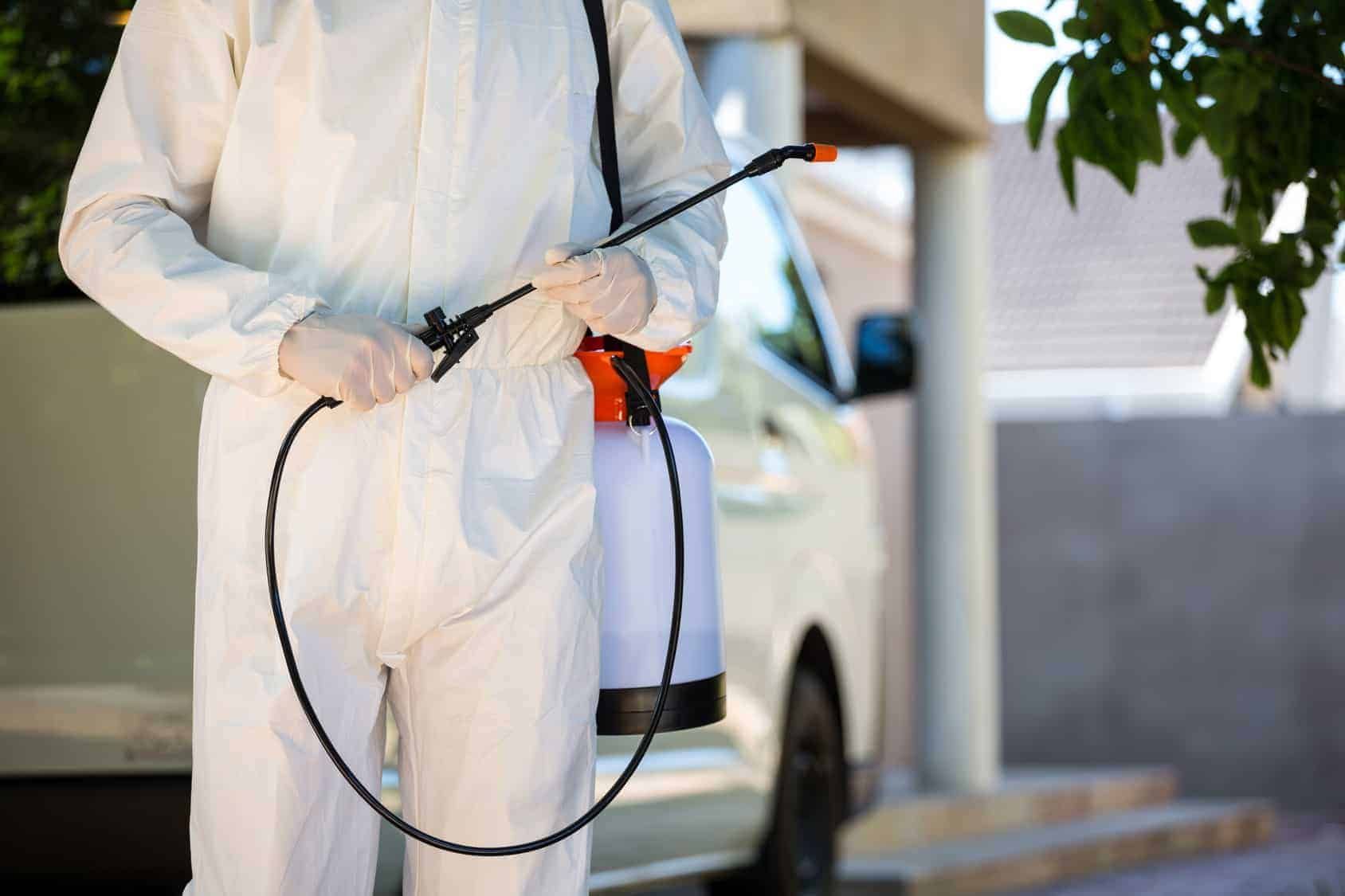
In 2026, Cyprus’s climate continues to be favorable for the active proliferation of various pests. The high humidity of the coastal areas of Limassol and Paphos, combined with long, hot summers, creates an ideal breeding ground for insects and rodents. For luxury property owners and investors, effective pest control is not only a matter of hygiene but also a guarantee of maintaining the structural integrity of buildings and their market value. The use of modern integrated pest management (IPM) methods is becoming the standard for quality housing on the island.
Major biological threats to property in Cyprus
In 2026, the island’s pest classification included both traditional household insects and species capable of causing serious damage to home infrastructure.
Termites: A Hidden Threat to Structures
Termites remain the most dangerous threat to private villas and apartments with wooden finishes. Two types are common in Cyprus: subterranean termites and wood termites. They can destroy door frames, solid wood flooring, and roof trusses without the owner’s knowledge or notice, over a period of two to three years. As of 2026, a professional termite inspection will be a mandatory step in the technical due diligence process before purchasing a property on the resale market.
Cockroaches: American and German species
American cockroaches (Periplaneta americana), which reach 4–5 cm in size and are capable of flight, enter homes through sewer and ventilation systems. They are active at night and carry pathogenic microorganisms. German cockroaches (red ones) are more common in kitchen areas and require specialized gel baits.
Rodents in coastal areas
Rats and mice in Cyprus are especially active in the fall and winter, when they seek shelter from the rain. Rodents not only spoil food but also pose a threat to utility systems, chewing through VRV and internet cables. In 2026, installing ultrasonic repellents and sealing utility openings will become mandatory for winterizing homes.
Comparative analysis of pest control methods
To help you choose the optimal protection strategy, a table of modern pest control and deratization methods relevant for Cyprus in 2026 is provided.
| Pest type | Method of struggle | Periodicity | Average cost (house 200 m2 ) | Efficiency (%) |
| Termites | Foundation Injections / Lures | Once every 5–7 years | €1200 – €3500 | 98 |
| Cockroaches | Gel treatment + barrier spraying | 2 times a year | €150 – €250 | 95 |
| Ants | Microencapsulated insecticides | On the fact of appearance | €100 – €180 | 90 |
| Rodents | Deratization (bait stations) | Quarterly | €80 – €150 | 100 |
| Snakes | Chemical repellents around the perimeter | Once every 3 months | €120 – €200 | 85 |
Professional Pest Control: 2026 Standards
Professional Pest Control services in Cyprus in 2026 use products of hazard classes 4 and 5, which are safe for people and pets, but have a prolonged effect (up to 6 months).
Cool fog technology (ULV)
A fine-mist spray technology is used to treat large areas of apartments and basements. The product’s particles penetrate even the most inaccessible crevices where insects hide. In 2026, this method was found to be the most effective for quickly cleaning a property before new tenants move in.
Barrier protection of the site
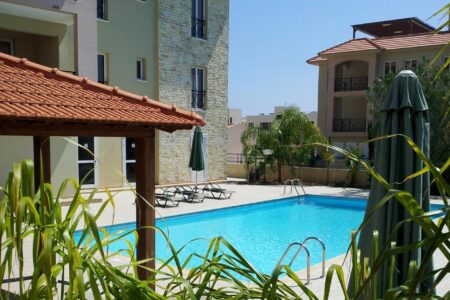
For private villas, treating the perimeter of the property is critical. Creating a chemical barrier 1–2 meters from the foundation prevents crawling insects and snakes from entering the home. Particular attention is paid to areas around pools and garden plantings, where moisture attracts ants and mosquitoes.
Structural prevention at the construction and repair stage
Preventing pests is significantly cheaper than dealing with the consequences of their activity. In 2026, property owners are advised to implement the following protective measures:
- Installing mosquito nets (Fly Screens). Modern systems with “Anti-cat” or “Anti-dust” fabrics not only protect against flies and mosquitoes but also prevent the entry of large cockroaches and spiders.
- Sealing utility entries. All water pipes and cables passing through walls must be sealed with specialized foam or a chew-resistant sealant.
- Installing check valves in the sewer system prevents American cockroaches and rodents from entering the house through the pipes.
- Proper landscaping. Shrubs and trees should be kept at least 50–70 cm away from the house walls. Dense vegetation touching the walls serves as a bridge for ants and termites.
Legal aspects and requirements of the Department of Health
In Cyprus, strict regulations regarding the disinfection of properties used for commercial purposes (short-term rentals through Airbnb or Booking) will be in force from 2026.
- Pest Control Certification. Owners of licensed villas and apartments are required to have professional pest control treatments performed at least twice a year and obtain an official certificate.
- HACCP Compliance. Kitchen areas in luxury properties employing hired chefs are subject to food safety standards, including regular pest control audits.
- Licensing of specialists. Only companies licensed by the Cyprus Ministry of Health are permitted to work. Independent use of professional pesticides is prohibited by law.
FAQ: Frequently Asked Questions
Are chemicals safe for pets, especially cats?
In 2026, licensed companies began using products based on synthetic pyrethroids, which have low toxicity to mammals. After treatment, it is recommended to vacate the premises for 2–4 hours and wet-clean surfaces that the animal comes into contact with (floors, bowls). For complete safety, you can request the use of environmentally friendly plant-based products (biodesinecticides).
How often should a house in Cyprus be treated for cockroaches?
To maintain consistent results, barrier pest control is recommended twice a year: in the spring (March-April) before the breeding season begins, and in the fall (September-October), when the insects seek shelter for the winter. In luxury residential complexes with common areas (gardens, swimming pools), the frequency can be increased to once per quarter.
How to detect the presence of termites in your home on your own?
The first sign is “mud trails” (tubes) on the foundation or walls. Also note: insect wings, resembling fish scales, near window frames and the appearance of cavities in wood trim (a dull sound is heard when tapped). If you notice a fine, sand-like dust under furniture, it could be the excrement of wood termites.
Do ultrasonic repellents work against Cyprus rats?
Ultrasonic devices are effective as a preventative measure in confined spaces. However, rats quickly adapt to these frequencies. In 2026, experts recommend combining ultrasound with physical barriers to entry points and professional bait stations placed around the exterior perimeter of the home.
Is it necessary to treat the garden for snakes if the plot is located within the city limits?
In cities like Limassol or Larnaca, the risk of encountering snakes is minimal, but it increases if the property borders wastelands or ravines. Prevention can be achieved by keeping the grass trimmed short and using sulfur-based repellents around the fence perimeter from March to October . Specialized services offer snake proofing, which involves installing fine-mesh netting along the bottom of the fence.