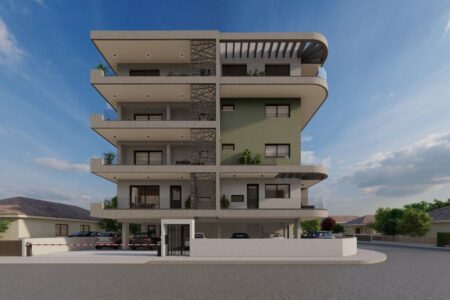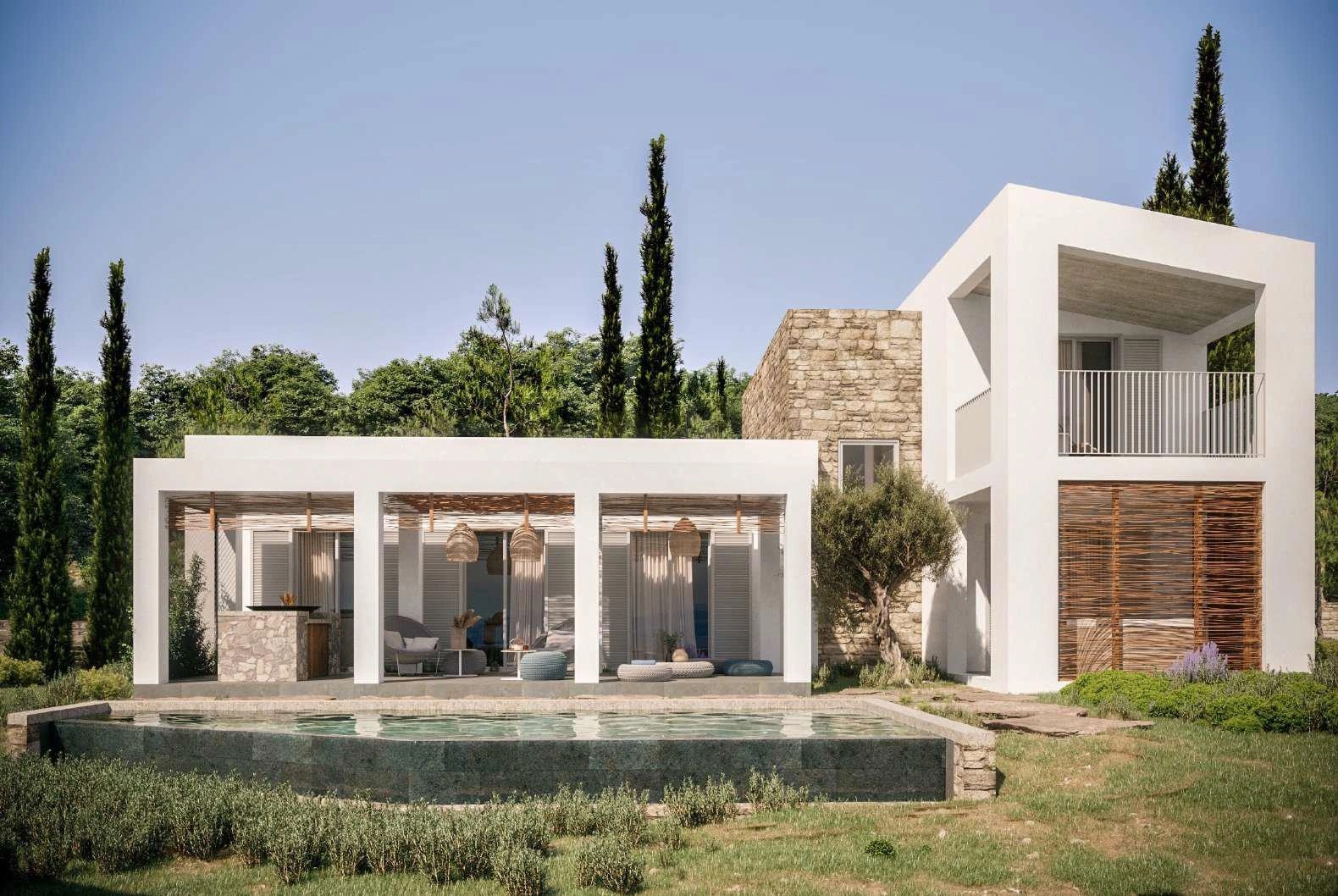
In 2026, the northwestern region of Cyprus, including the town of Polis Chrysochous and the picturesque marina of Latchi, cemented its status as the “Cypriot Riviera” for those seeking privacy and authenticity. While Limassol and Paphos continue to grow skyward, Polis retains its horizontal landscape and close connection to nature. This region has become a priority for wealthy investors and expats thanks to the completion of key infrastructure projects and strict environmental controls limiting development density. Here, real estate is viewed not simply as square footage, but as an entry ticket to a gated community where tranquility and proximity to the Akamas Nature Reserve are the main assets.
Geographical uniqueness and ecological factor
The Polis Chrysochous region is located on the shores of the bay of the same name, renowned for the island’s clearest water and long sandy beaches. Its main advantage is its proximity to the Akamas National Park. In 2026, the Cypriot government further tightened development regulations in the reserve’s buffer zones, making existing and future developments in Latchi and on the outskirts of Polis increasingly scarce.
The proximity to Akamas ensures that your villa’s sea or mountain views won’t be obscured by yet another high-rise building. The region’s eco-friendly status attracts buyers focused on “Slow Living”—the concept of a slow, mindful lifestyle. The air here is 15–20% cleaner than in large cities, and light pollution is minimal, allowing you to enjoy the starry sky.
Infrastructure Breakthrough 2026: Paphos-Polis Highway
For a long time, the region’s main constraint was complex logistics. In 2026, the situation changed dramatically with the completion of the first phase of a new four-lane expressway connecting Paphos and Polis.
Key changes in logistics
- Travel time reduction. Travel from Paphos International Airport to Polis now takes 25–30 minutes, down from the previous 50–60 minutes on winding roads.
- The new highway is designed according to modern European standards, using viaducts and tunnels, eliminating the dangerous sections of the old road.
- Price increases. Experts estimate that the completion of the highway has driven up land values in adjacent villages (Strumbi, Polemi, and Yiolu) by 12–18% in the past year alone.
For those planning a move to Cyprus in 2026, Polis has ceased to be a “remote province” and has become a comfortable suburb of Paphos, while retaining its intimacy.
Marina Laci: A magnet for yachtsmen and gourmets
Latsi is the heart of the region, renowned for its fishing harbor and modern marina. In 2026, the marina’s expansion project was completed, allowing it to accommodate yachts up to 40 meters in length. World-class infrastructure has developed around the harbor, including fish taverns offering the catch of the day, boutiques, and diving centers.
Investment attractiveness of Lachi
Beachfront properties in Latchi are the blue-chip properties of the Cypriot market. In 2026, rental prices for marina-view villas increased by 15% compared to the previous year. High demand is driven by tourists from Northern Europe and the UK, who choose Latchi for the opportunity to charter a boat and reach the Blue Lagoon or the Baths of Aphrodite in 15 minutes.
Real Estate Market Analysis: Polis, Lachi, Argaka, and Pomos
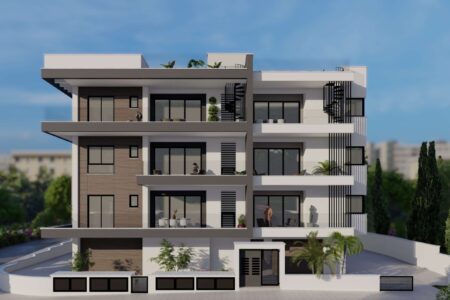
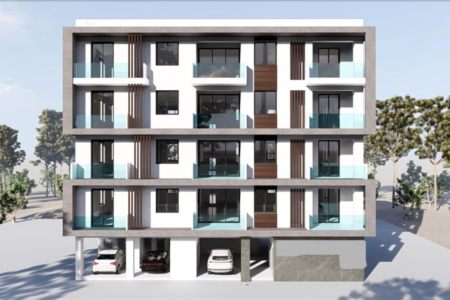
The region’s real estate market in 2026 is represented primarily by luxury villas, modern townhouses, and a small number of boutique apartments.
Polis Chrysochous
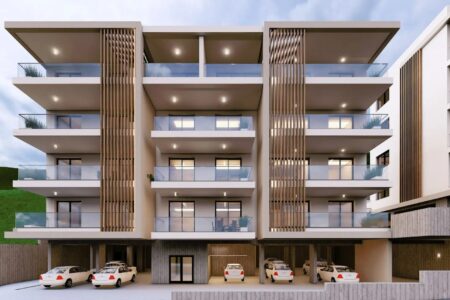
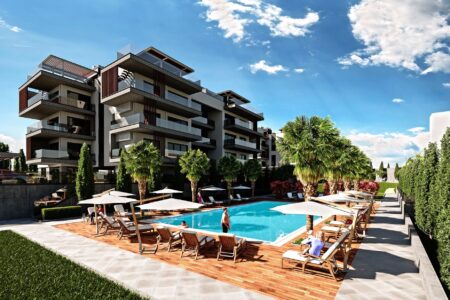
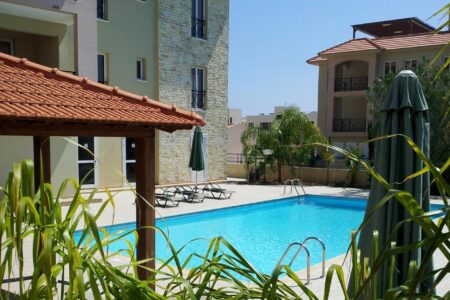
The city remains a vibrant hub, with supermarkets, medical centers, and schools. Modern apartments in complexes with communal swimming pools are popular here. This is an ideal choice for those seeking a balance between price and urban amenities.
Argaka
The village, located east of Polis, has become a popular spot for custom villas. Argaka’s distinctive feature is the combination of pine forests and proximity to the sea. In 2026, development began on elevated sites offering panoramic views of Chrysochous Bay.
Pomos
For those seeking absolute seclusion, Pomos offers dramatic landscapes where cliffs meet the sea. It’s the “end of the world” in the best sense of the word, where land prices remain most competitive in 2026 while maintaining high construction quality.
Comparison of real estate prices in the region (data for 2026)
| Location | Object type | Average area ( m²) | Price range (€) | Expected return on investment (ROI) |
| Lachi (first line) | Premium villa | 250 – 400 | 1,800,000 – 4,500,000 | 4 – 5% (annual rent) |
| Polis (center) | 2BR Apartment | 85 – 100 | 220,000 – 350,000 | 6 – 7% |
| Argaka (foothills) | Villa with a swimming pool | 180 – 220 | 550,000 – 950,000 | 5.5% |
| Pomos (by the sea) | House / Villa | 150 – 200 | 450,000 – 750,000 | 5% |
Tax incentives and legal aspects in 2026
When purchasing real estate in Polis and Latchi in 2026, investors can take advantage of Cyprus’s government programs:
- Permanent residence by investment. Purchasing a new property worth at least €300,000 plus VAT entitles the entire family to lifelong permanent residence status. In 2026, anti-money laundering (AML) checks became more stringent, but application processing times were reduced to 4–6 months.
- Reduced VAT rate of 5%. When purchasing a first home for personal use, a reduced VAT rate applies to the first 130 m² (with a total area of up to 190 m² and a price of up to €350,000) instead of the standard 19%.
- No property tax. There is no annual property tax in Cyprus, significantly reducing the cost of maintaining large properties.
Life in Polis: Infrastructure for Families
Many expats choose Polis for permanent residence due to its safety and social environment.
- A private primary school has been operating in Polis since 2026, and leading international schools (International School of Paphos, ASPIRE) are located a 25-minute drive away in Paphos, with school shuttle services available.
- Polis City Hospital was modernized in 2025 and integrated into the GHS system, providing free or subsidized medical care to residents.
- In addition to water sports, the region offers the island’s best hiking and mountain biking trails. In 2026, five new marked trails were opened in the Paphos forest.
Market development forecast until 2030
Experts agree that Polis and Latchi are at the beginning of a sustainable growth cycle. Unlike the oversaturated apartment market in Limassol, there is a significant shortage of quality villas. With the completion of the second phase of the highway and plans to build a golf resort near Polis by 2028, the capitalization of properties purchased in 2026 could reach 25% to 40% over the next five years. Investing in this region is a choice for stability, ecology, and a unique lifestyle that cannot be replicated elsewhere on the island.
FAQ: Frequently Asked Questions
How safe is it to live in Polis and Lachi?
The region is considered one of the safest in Cyprus. The crime rate is close to zero. In 2026, the city implemented an effective Neighborhood Watch system, and most modern residential complexes are equipped with intelligent video surveillance systems.
Are there any problems with water supply in the region?
In 2025–2026, the modernization of the desalination plants and water distribution system in the Chrysochous region was completed. Even during dry summer periods, the town and surrounding villages are fully supplied with water. New villas are required to be equipped with water storage tanks and greywater treatment systems for garden irrigation.
Is it possible to find a job in Polis or is this region only for retirees?
In 2026, Polis became a popular hub for digital nomads and remote professionals. Thanks to the introduction of 5G throughout the city and the development of coworking spaces, many young professionals live here. The main local industries are tourism, real estate, agriculture, and yacht services.
How much colder is it in Polis in winter compared to Limassol?
Temperature differences are no more than 1–2 degrees. Winters in Polis are mild, with average daytime temperatures in January around 16–18°C. Thanks to the proximity of mountains and forests, the air here is less humid than in Limassol, making the winter months more comfortable for walks and outdoor activities. Furthermore, the use of heat pumps and modern thermal insulation in new buildings completely eliminates indoor comfort.