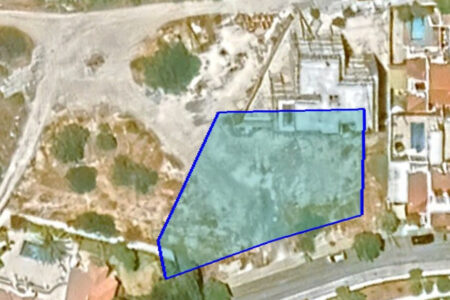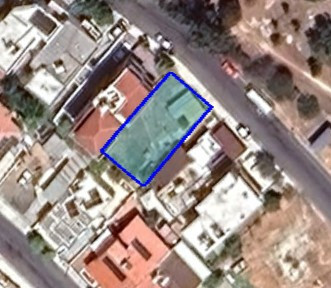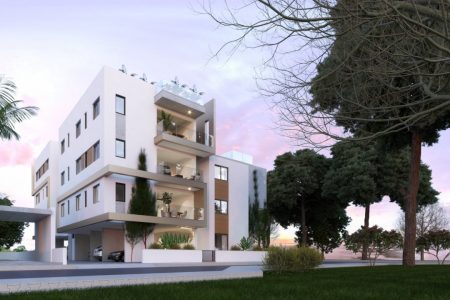
Buying land in Limassol in 2026 means investing in the most scarce asset on the island. In dense urban development, land remains the only resource that cannot be replaced. For investors or anyone planning to build a home, understanding the Cypriot zoning system is crucial. A single letter difference in a development plan (for example, Ka7 versus Da2) can mean the difference between a liquid asset and land on which any construction is prohibited.
Contents
Land Classification: Plot or Field?
Before looking at prices, you need to understand the legal differences between the two types of land, as this affects taxes and building capacity.
- Oikopedo (Building Plot): This is a plot that has already been demarcated. It has official road, water, and electricity connections .
- Taxes: Purchasing such plots from developers is usually subject to VAT of 19% .
- Readiness: You can obtain a building permit immediately.
- Khorafi (Field): This is a plot of land that may be in a residential area but has not yet been divided into individual plots.
- Taxes: Generally no VAT , but you will pay Transfer Fees.
- Risks: If the field doesn’t have official access to a public road (registered road), obtaining a building permit is impossible. You’ll also have to spend time and money (part of the land) on creating infrastructure (sidewalks, green spaces).
Development Coefficients: What Can Be Built?
The cost of land in Limassol is determined not by the area in acres, but by the Building Density coefficient .
- Zone Ka (Residential): The most common.
- Ka3 (140%): City center. 3-4 stories possible.
- Ka5 (100%) and Ka7 (80%): Popular residential areas (Agios Athanasios, Mesa Geitonia).
- Ka10 (30%): Upscale, low-density suburbs (parts of Agios Tychonas) where houses are spaced far apart.
- Zone Ba (Commercial): High density (160%+), office and retail construction permitted. The price of this type of land is several times higher than residential land.
Land prices in 2026
The table shows approximate prices for plots of land for the construction of a private home (500–600 sq. m) in different areas.
| District | Development coefficient | Price per plot (500-600 sq. m) | Status |
| Agios Tychonas / Paniotis | 30% – 50% | 450,000 – 750,000 euros | Elite |
| Agios Athanasios / Sfalagantissotissa | 60% – 80% | 380,000 – 550,000 euros | Premium |
| Zakaki (Casino District) | 80% – 100% | 300,000 – 420,000 euros | Investment |
| Palodia / Ipsonas | 40% – 60% | 220,000 – 320,000 euros | Family |
| Suni / Parekklisia ( distant ) | 20% – 30% | 150,000 – 250,000 euros | Country |
Taxes when purchasing land
The financial structure of a land transaction in 2026 depends on the status of the seller and the type of plot.
- VAT 19%: If you purchase a completed plot from a developer, you are required to pay 19% on top of the purchase price. The preferential 5% rate does not apply to land (it is only available under a construction contract for a primary residence, which is more difficult to obtain when purchasing bare land).
- Transfer Fees: If the transaction is not subject to VAT (for example, purchasing a field from a private individual), you pay a transfer tax. A 50% discount applies in 2026 .
- Example: When purchasing land for 200,000 euros without VAT, the discounted tax will be approximately 4,600 euros.
- Stamp Duty Abolition: Stamp duty will be abolished from 1 January 2026.
Technical Checklist: Hidden Costs
Buying land in Limassol, especially in hilly areas, can hide huge costs for preparatory work.
- Topography and slope: Sloping plots with beautiful views (Agios Tychonas, Laiki Leukothea) often require the construction of retaining walls. The cost of such concrete structures can reach €30,000–€50,000 , significantly increasing the cost of the project.
- Soil: In some areas (for example, parts of Ypsonas or Linopetra) there is difficult soil (clay or rock), requiring expensive pile foundations.
- Utilities: Ensure water and electricity connections are located directly at the property line. Running cables even 100 meters can cost thousands of euros.
Best locations for investment
- Zakaki: Land prices here are rising the fastest due to infrastructure development around the City of Dreams and the new port. Plots here often have high building density, making them ideal for rental apartment development.
- Agios Athanasios: Traditionally a sought-after area for family housing. Land is scarce, so plots are extremely marketable.
- Palodia: An ideal choice for building a private home. The area is actively developing, boasting prestigious schools, and land prices are still lower than within the city limits.
Purchasing land in Limassol is a process that requires the involvement of not only a lawyer but also an architect during the selection process. The specialist must confirm that the site’s configuration and zoning coefficients will allow you to implement your planned project without violating the boundaries and height regulations of 2026.