Winter in Cyprus is short—from mid-December to March—but the lack of central heating makes this period a serious challenge for unprepared residents. In 2026, amid the island’s commitment to green energy and rising electricity prices, energy-efficient home heating has become crucial for comfortable living. Temperatures on the coast rarely drop below 10°C, but due to high humidity and the local construction, indoor temperatures can be colder than outdoors. A proper strategy for combating dampness and choosing the right heating system are key to preserving your home and ensuring your family’s health.
Contents
- 1 Causes of cold and dampness in Cypriot houses
- 2 Main Heating Methods: Efficiency Analysis 2026
- 3 Comparison of heating costs for a 30 m² room
- 4 Combating Moisture and Mold: A Step-by-Step Plan
- 5 Modern Technologies 2026: Heat Pumps
- 6 Secrets of a “Warm” Home: Textiles and Insulation
- 7 FAQ: Frequently Asked Questions
Causes of cold and dampness in Cypriot houses
Most buildings in Cyprus, especially those built before 2015, were designed for heat protection rather than heat retention. Thin, uninsulated walls and single-pane panoramic glazing contribute to rapid heat loss. As of 2026, new properties must meet energy efficiency class A, making life significantly easier for owners of new buildings, but the issue remains a pressing one for those living in existing homes.
Humidity is the second critical factor. In winter, indoor humidity levels can reach 80% or higher, which, in the absence of ventilation, inevitably leads to condensation on windows and black mold on walls.
Main Heating Methods: Efficiency Analysis 2026
In 2026, there were several heating technologies available on the Cyprus market, each with its own operating costs and comfort levels.
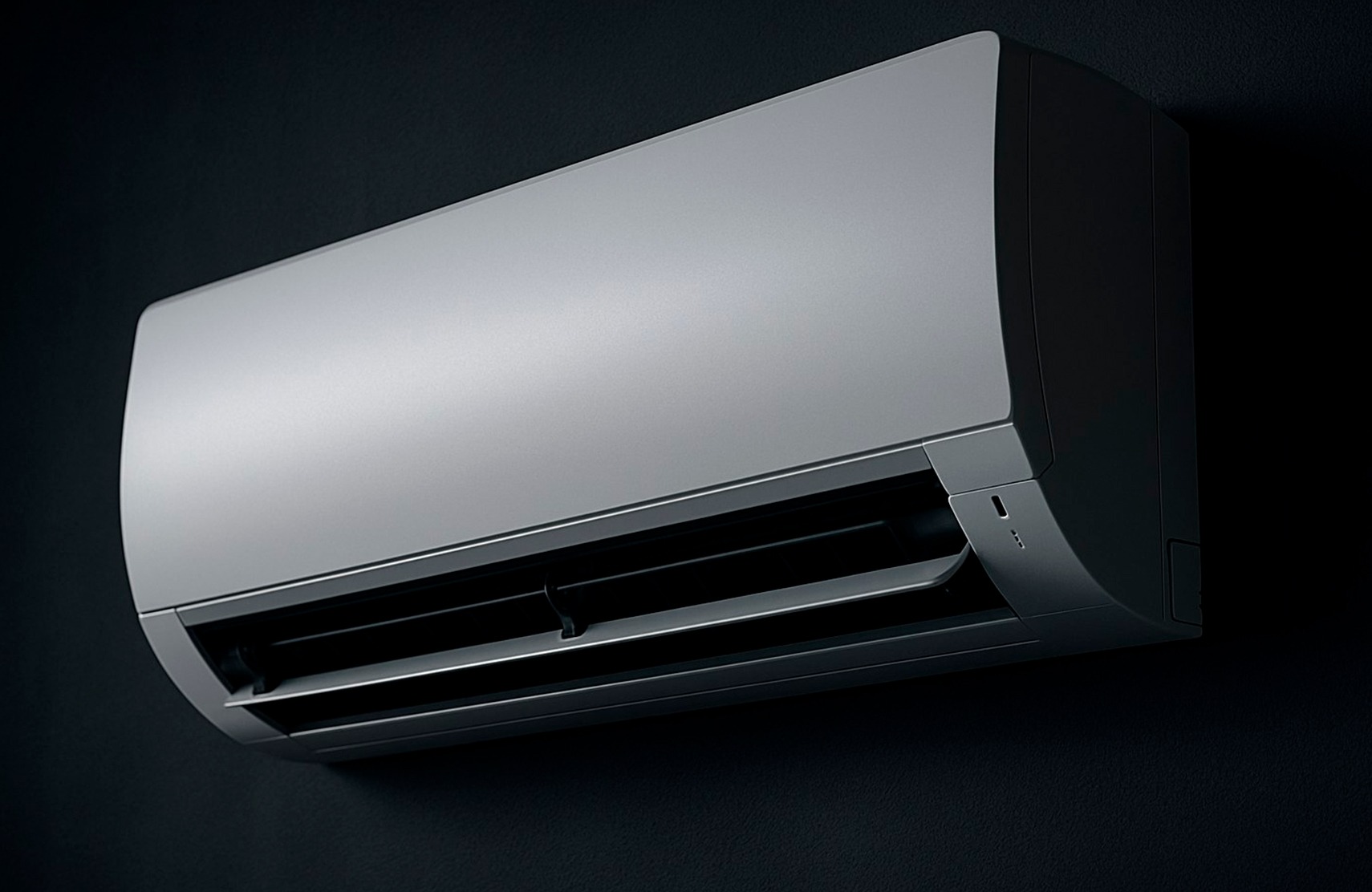
Inverter air conditioners
This is the most common method. Modern models with an energy efficiency rating of A+++ are capable of providing efficient heating even at low temperatures.
- Pros: Fast air heating, presence of cleaning filters.
- Cons: The air cools down quickly after switching off, creating a feeling of dryness, and the heat is distributed unevenly (it is warmer at the ceiling than at the floor).
Electric convectors and infrared panels
Popular in rental housing, infrared panels became thinner and more aesthetically pleasing in 2026, often disguised as paintings or mirrors.
- Pros: Silent, targeted heating of objects, not air.
- Cons: High power consumption with continuous use.
Gas and diesel systems
Private villas and some premium apartments are equipped with boilers and radiators. In 2026, diesel fuel is expensive, but provides the highest level of thermal comfort.
- Pros: A real feeling of “home warmth”, warming of the walls.
- Disadvantages: Need for boiler maintenance, high fuel costs (around 1,000 – 1,500 euros per season for a villa).
Underfloor Heating
The gold standard of modern construction in 2026. Can be electric or water (from a heat pump).
- Pros: Ideal heat distribution, no dust, can be walked on barefoot.
- Cons: High installation cost (only relevant when renovating or buying a new building).
Comparison of heating costs for a 30 m² room
| System type | Consumption per hour (kW/l) | Average monthly cost (Euros) | Comfort level |
| Inverter air conditioner | 0.8 – 1.2 kW | 60 – 90 | Average |
| Electric convector | 1.5 – 2.5 kW | 120 – 180 | Short |
| Infrared panel | 0.4 – 0.6 kW | 40 – 60 | Average |
| Diesel boiler | 1.0 – 1.5 l | 150 – 250 | High |
| Heat pump (floor) | 0.5 – 0.9 kW | 50 – 80 | Maximum |
Combating Moisture and Mold: A Step-by-Step Plan
Even the most powerful heating system won’t prevent mold if high humidity persists in the home. In 2026, experts recommend a comprehensive approach to dehumidification.
- Purchasing a dehumidifier: This is a must-have gadget for every Cypriot family. In 2026, models with a daily capacity of 20-25 liters and Wi-Fi control were popular. The dehumidifier should run 24/7 in problem areas (bedrooms, walk-in closets).
- Ventilation: Open windows wide for 10-15 minutes twice a day (cross-ventilation). This removes excess moisture accumulated from breathing and cooking.
- Hygrometers: Install digital humidity meters in each room. The optimal level for winter in Cyprus is 45–55%.
- Special coatings: If you are renovating in 2026, use antifungal primers and silicate-based paints that allow the walls to “breathe.”
- Furniture clearance: Avoid placing wardrobes and beds directly against cold external walls. Leave a 5–10 cm gap for air circulation.
Modern Technologies 2026: Heat Pumps
By 2026, most luxury property owners had switched to air-to-water heat pumps. This is the most environmentally friendly and cost-effective technology available today. A heat pump consumes 3-4 times less electricity than a traditional electric boiler, while still providing underfloor heating and hot water. For families of three, integrating this system with solar panels can reduce heating costs to virtually zero.
Secrets of a “Warm” Home: Textiles and Insulation
Don’t underestimate passive heat conservation methods. In 2026, “additional sealing” of window frames and the installation of heat-saving films on glass were popular services in Cyprus.
- Carpets: Floor tiles can become icy in winter. High-quality, deep-pile carpets significantly improve comfort.
- Blackout curtains: Thick curtains not only block out light, but also serve as an additional barrier to the cold from windows at night.
- Electric sheets: Using electric sheets allows you to quickly warm up your bed before going to bed, consuming minimal energy (about 60 watts).
FAQ: Frequently Asked Questions
Does air conditioning help dehumidify the air in winter?
In heating mode, an air conditioner doesn’t dehumidify the air nearly as effectively as a dedicated dehumidifier. Conversely, when the air conditioner is turned off, humidity can quickly rise due to the temperature difference. A dehumidifier is a much more effective tool for combating dampness.
How much will it cost to fill a diesel tank in 2026?
The cost of diesel fuel for heating depends on global oil prices. In 2026, the average price was approximately €1.20–€1.40 per liter for orders of 500 liters or more. A full tank of a standard 1,000-liter tank would cost €1,200–€1,400.
Is it possible to install gas heaters inside an apartment?
Portable gas heaters (cylinder heaters) are popular due to their low cost, but they are unsafe. The combustion process produces large amounts of water vapor (which increases humidity) and carbon dioxide. They should only be used in well-ventilated areas and should never be left on overnight.
How to quickly get rid of mold?
If mold stains have already appeared, they should be immediately treated with specialized chlorine-based products (such as Cypriot “Mold Remover”). After treatment and drying, it is recommended to coat the surface with an antiseptic varnish. Remember: stain removal only treats the symptoms; without reducing humidity, mold will return.
Should I replace old windows with double glazing in my rental property?
In 2026, replacing windows is an expensive procedure. If you’re renting long-term, try to negotiate with the landlord to split the cost of the rent. If this isn’t possible, consider temporary solutions such as door and window seals, which can be purchased at any hardware store (Superhome, Leroy Merlin).