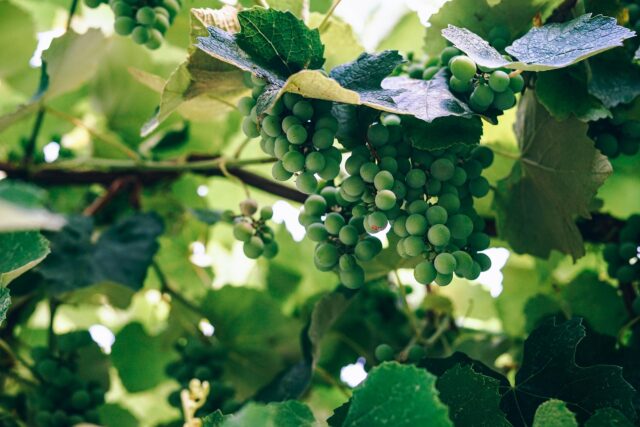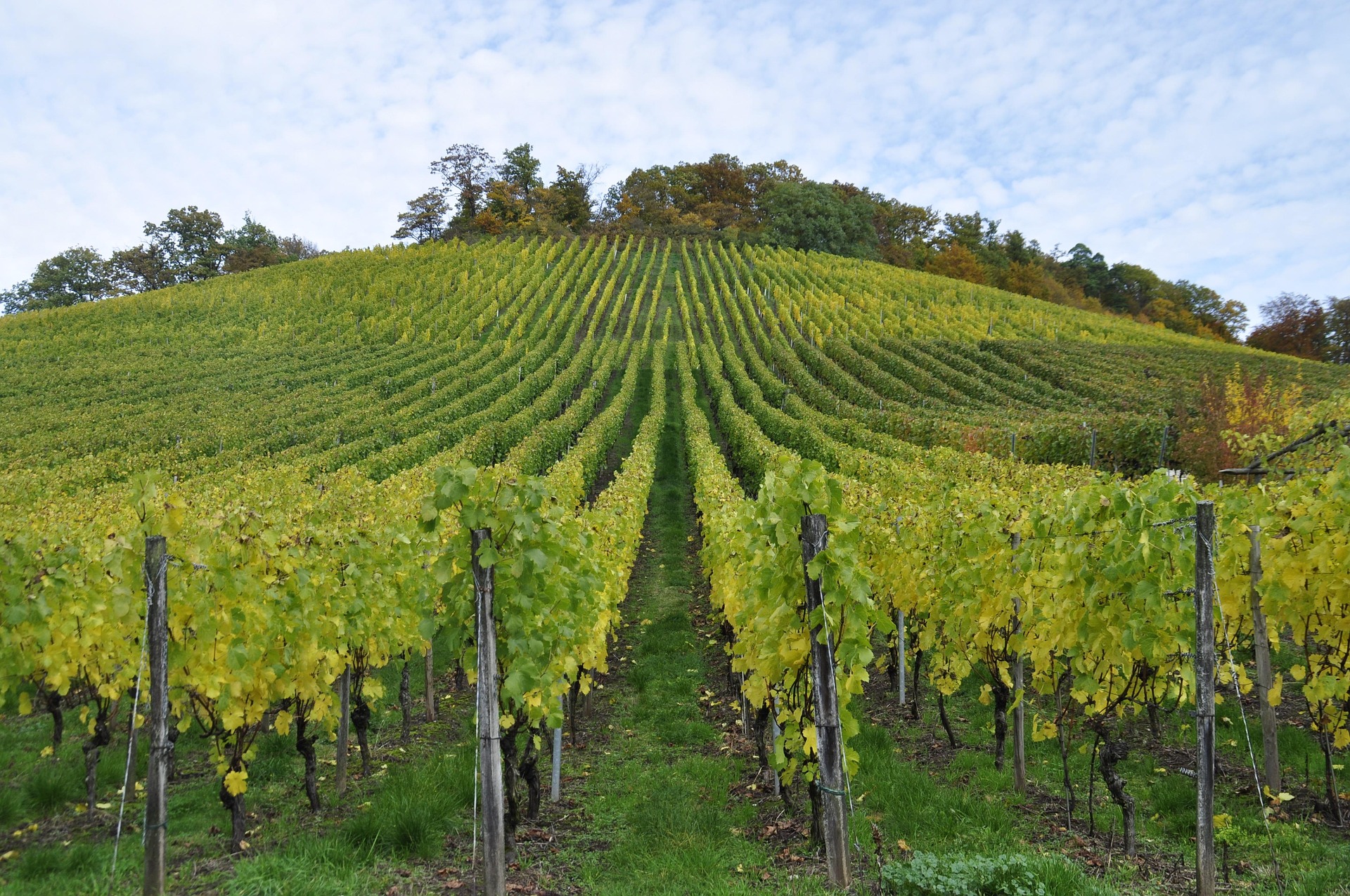
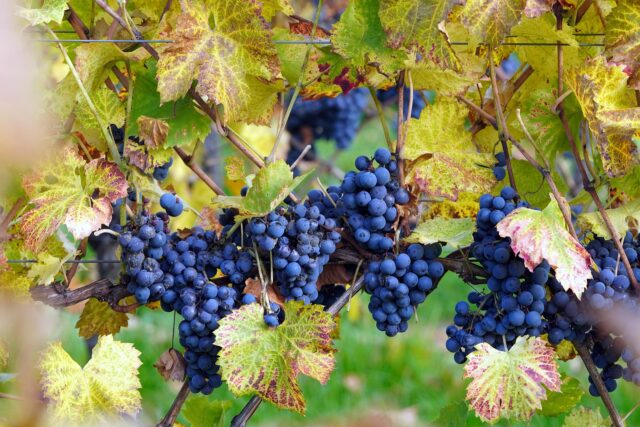
Paphos, located on the southwest coast of Cyprus, is known not only for its archaeological sites and seascapes but also for its rich winemaking tradition. The hills and valleys surrounding the city create ideal conditions for growing grapes: warm sunshine, moderate humidity, and limestone soils impart distinctive flavors and aromas to the wines. The Paphos region is home to numerous family-owned and industrial wineries, preserving centuries-old traditions.
Contents
The Historical Roots of Winemaking in Cyprus
The history of Cypriot wine spans over 5,000 years. Archaeological finds confirm that the island’s inhabitants were already cultivating viticulture as early as the Bronze Age. The most famous symbol of Cypriot wine culture is Commandaria , a dessert wine that, according to legend, was produced in the monasteries of the Limassol region and supplied to the court of Richard the Lionheart. However, the Paphos region also made a significant contribution to the development of winemaking, particularly through local indigenous grape varieties such as Mavro and Xynisteri .
Today, there are about 20 registered wineries operating in the Paphos area, many of which are included in the official “Wine Routes of Cyprus” ( Wine Routes of Cyprus ), developed by the Department of Tourism.
Wine routes of the Paphos region
The wine-growing villages of Paphos are located in the picturesque foothills of the Troodos Mountains . Three main routes lead here:
- The Dionysos Route includes wineries in the area of Straumbi , Polemi , Lemona and Ktima , known for their light white wines.
- The Laona-Akamas route covers the villages of Katiolon , Oinia , Peyia and Korali , where fresh, aromatic wines are produced from the Xynisteri variety .
- The Vouni -Panagia – Ardes route passes through mountain villages where rich red wines are made from Mavro and the rare varieties of Maroeftiko and Yianouda .
Each route combines tastings, vineyard tours and insights into Cypriot rural life.
Winery visits are possible year-round, but the best times are spring and fall, when temperatures are comfortable and the scenery is particularly picturesque. Most wineries welcome guests daily, but advance reservations are recommended for tours and tastings. Access is by car, following the routes toward Troodos .
Many wineries combine traditional methods with modern technology, maintaining a balance between history and innovation. Some offer accommodation in agritourism homes, making the trip not just a gastronomic experience but a complete journey through Cypriot wine culture.
Famous Wineries Near Paphos
Vouni Panayia Winery ( Vuni Panayia )
One of the oldest and most renowned wineries in the region, located in the mountain village of Panagia , approximately 30 kilometers from Paphos. Founded in 1987, the company specializes in producing wines from local grape varieties. The winery features a tasting room, an observation deck, and a small museum. Particularly prized are the white Alina and red Plakota wines , which possess a mineral flavor and aroma of wild herbs.

Tsangarides Winery ( Tsangarides )
This family-run winery in the village of Lemona is one of the first in Cyprus to produce organic wines . Founded by the Tsangarides family over a century ago, its modern winemaking approach has developed in recent decades. It produces wines from Maratheftiko , Xynisteri , Cabernet Sauvignon, and Shiraz grapes . Visitors are offered vineyard tours, tastings, and a cozy courtyard for relaxing.
Kolios Winery ( Koliyos )
Situated in the village of Stavios , near the village of Panagia , at an altitude of approximately 1,000 meters above sea level. The combination of altitude and mountain climate imparts exquisite freshness to the wines. The winery produces premium red wines Persefoni and Shiraz , as well as fortified wine Commandaria. Kolios . The terrace offers magnificent views of the valley and vineyards, and tastings are accompanied by local cuisine.
Sterna Winery
Located near the village of Kathikas , close to the Akamas Nature Reserve , the winery is unique in that its cellars are carved directly into the rock. Visitors can tour the underground chambers where the wine is stored in oak barrels and sample traditional spirits, including grappa and liqueurs.
Vasilikon Winery
Located in the village of Kathikas , it is known as one of the largest family-owned wineries in the region. Founded by the three Kiyakis brothers in 1993, its flagship wine, Vasilikon, has received numerous international awards. The winery boasts a modern tasting room with panoramic windows and a restaurant serving dishes that pair perfectly with the local wines.
Local grape varieties
The Paphos region is renowned for its diverse vineyards, many of which are grown without irrigation or chemical fertilizers. Key varieties include:
- Maratheftiko is a rare indigenous variety distinguished by its rich colour and spicy notes.
- Yianuda is an ancient variety that is being revived by modern winemakers and is used for blends.
- Xynisteri is a light white grape variety that produces fresh, fruity wines with aromas of citrus and wild herbs.
- Mavro is a traditional grape variety used to make soft red wines.

Wine festivals and cultural events
In the autumn, during the harvest, wine festivals are held around Paphos . Here you can observe the winemaking process, participate in traditional grape pressing, and sample homemade dishes. One of the largest events is the Straumbi Wine Festival and Wine Village Day in Panay , where guests are treated to young wines and regional delicacies.
The wineries near Paphos represent a unique blend of ancient traditions, modern production, and Cypriot hospitality. Each has its own history, character, and philosophy, reflected in the aroma and taste of its wine.
Visiting wine villages is more than just a tasting; it’s an introduction to the soul of Cyprus: sunny hills, ancient houses, family stories, and a culture shaped over centuries by the grapevine. A journey along the Paphos wine routes reveals a new side of the island—fragrant, welcoming, and filled with the flavors of the Mediterranean.