August in Cyprus is the peak of the holiday season and the hottest time of the year. At this time, the island literally fills with tourists: the beaches are crowded, the promenades are bustling, and hotels and apartments are booked well in advance. Despite prices rising by approximately 50% compared to the spring and fall, the flow of vacationers continues unabated. People are drawn by the vibrant summer atmosphere, crystal-clear sea, and almost guaranteed sunshine throughout the month.
Contents
Weather in Cyprus in August
In August, the island experiences consistent heat and dry weather. This month is considered the sunniest, hottest, and driest of the year—with virtually no precipitation, the sky remains bright blue for weeks. Daytime temperatures range from 31 to 35°C, sometimes rising to 40–43°C. Even the sea offers no relief: water temperatures reach 28–30°C, making swimming a delight in the warm waves, but the risk of sunburn remains high even in the water.
At night, the temperature drops slightly—by only 5–7 degrees, to 26–29°C. Without air conditioning, rest becomes uncomfortable, and open windows often attract mosquitoes. However, the heat is relatively bearable, as humidity is low and a constant sea breeze softens the heat. However, those with chronic cardiovascular or respiratory conditions should exercise caution—August can be too hot.
Those traveling during this period are advised to bring sunscreen, lightweight cotton clothing, hats, and sunglasses. It’s best to choose a hotel with air conditioning and shady courtyards to provide shelter from the direct sun.
Weather patterns by region
Cyprus’s climate is stable, so the weather doesn’t vary greatly across regions, but there are still some peculiarities.
Larnaca is considered the most humid and stuffy resort on the island. Average daytime temperatures are around 34°C, and at night, 28°C. Mist and fog are common in the mornings, which intensify the feeling of stuffiness.
Limassol welcomes travelers with typical southern heat—up to 33°C during the day and 25°C at night. The sea warms up to 27–28°C, and the sun shines for about 14 hours a day. The sun’s rays are especially strong during the day, so it’s best to limit the amount of time spent outdoors without shade.
Paphos has a milder climate, characterized by dry heat. Daytime temperatures range from 31–32°C, with nights becoming cooler, reaching around 25°C. The water remains comfortable, reaching up to 28°C. Thanks to the milder air, this resort is often chosen by families with children.
In Ayia Napa, daytime temperatures reach 32–33°C, dropping to 27–28°C in the evening. The warm sea (around 29°C) and a light breeze make the climate more pleasant than in the central areas. Ayia Napa is a favorite spot for young people: they relax on the beach during the day and enjoy open-air parties and concerts at night.
In the north of the island, in the Famagusta area, daytime temperatures reach 33–34°C, while nighttime temperatures remain at 27–29°C. The sea here is especially warm, reaching 30°C. The resort of Protaras, located in the Famagusta area, enjoys similar weather conditions and is ideal for a relaxing seaside holiday.
Nicosia, located in the center of the island, is considered the hottest region. Daytime temperatures reach 37–38°C, while at night, temperatures drop to 26–27°C. The lack of a sea breeze makes the heat particularly intense.
What to do in Cyprus in August
Most tourists come to Cyprus in August for a classic beach holiday: golden sand, warm sea, and almost daily sunshine. However, even in the hottest month, there’s plenty to do on the island besides swimming.
Excursions and attractions
August isn’t considered the best time for hiking, but Cyprus’s main attractions are unmissable. Among the most popular are the Makronisos rock tombs near Ayia Napa, the Stavrovouni Monastery and Kamares Aqueduct in Larnaca, and the ancient Odeon Theatre and Tombs of the Kings in Paphos. History buffs should visit the ancient city of Amathus near Limassol and the medieval castles of Agios Hilarion and Buffavento in Kyrenia.
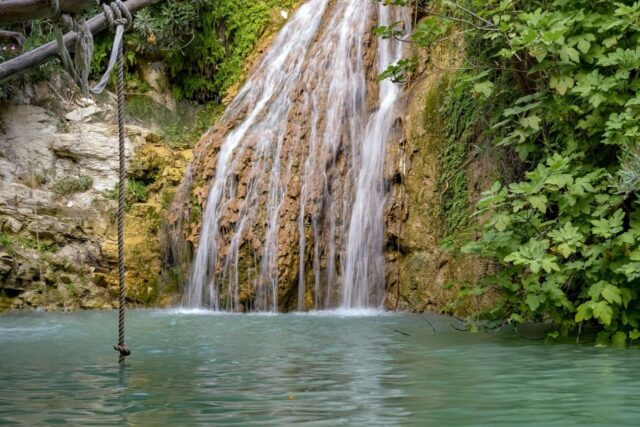
For exploring the island, renting a car is the most convenient way to travel in comfort and plan your own route. Natural attractions worth visiting include the Troodos Mountains and their crown jewel, the Millomeris Waterfall, Aphrodite’s Rock near Paphos, and Cape Greco with its caves. The Akamas Peninsula boasts natural beauty and rich fauna, home to numerous butterflies and rare reptile species.
Beach holidays in August
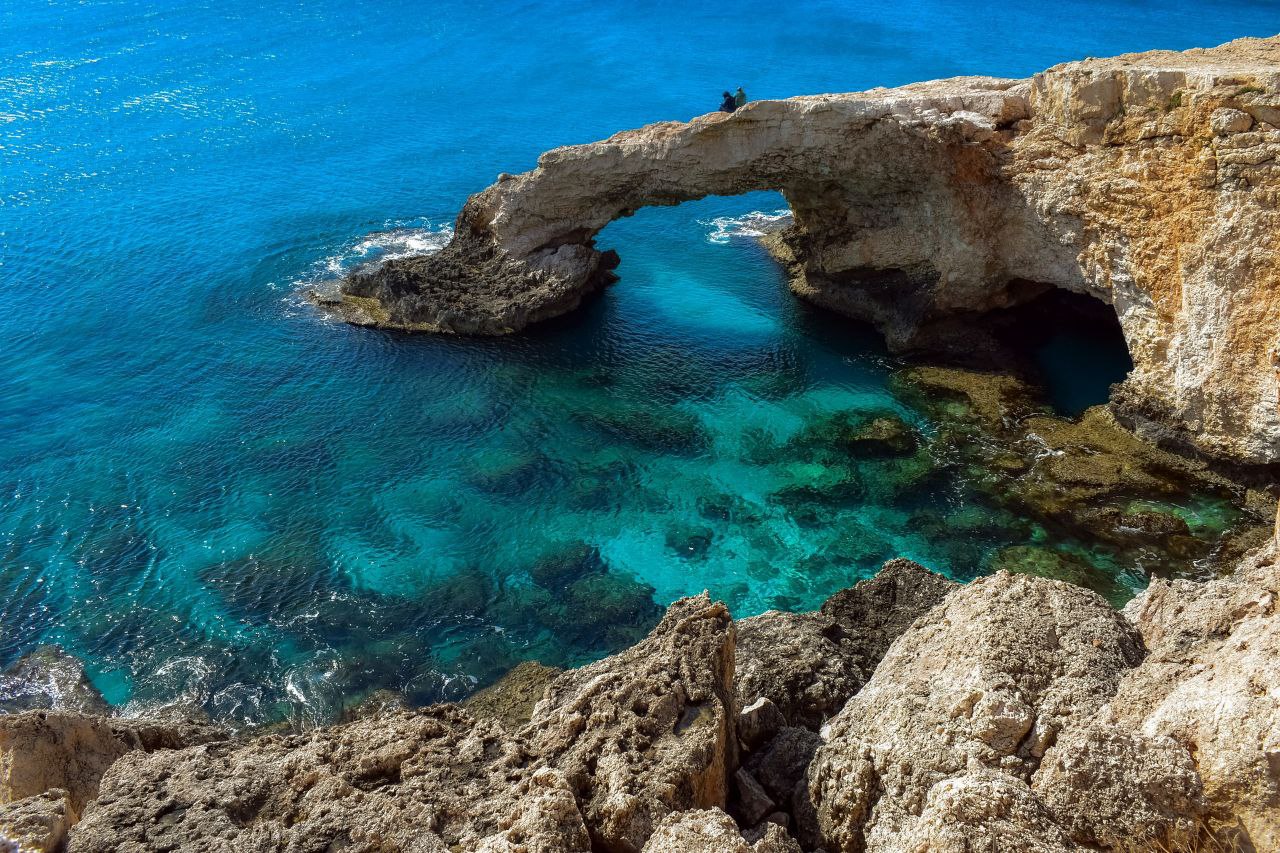
In August, Cypriot beaches fill up not only with foreigners but also with locals, as many begin their vacations. The coastlines of Ayia Napa and Protaras are renowned for their soft white sand and clear waters. Limassol’s beaches are covered with dark sand mixed with volcanic ash, while the coast of Paphos boasts picturesque cliffs and rocky coves.
All resorts offer diving, windsurfing, kitesurfing, and boat or yacht rentals. Those seeking a more relaxing holiday can enjoy catamaran cruises along the coast. For a refreshing swim and some sun exposure, head to one of the island’s many water parks.
Entertainment and events in August
Cyprus is famous for its nightlife, especially Ayia Napa, often called the “second Ibiza.” The resort sleeps during the day, but comes alive in the evening, with bars, clubs, and beach parties. Open-air concerts, fire shows, and festivals create a festive atmosphere.
Average air temperature and precipitation in Cyprus in August
| City | Min. t°C | Average t°C | Max t°C | Precipitation rate | Number of days with precipitation |
| Nicosia | 21.9 | 29.4 | 36.9 | 1.3 mm | 0.1 |
| Larnaca | 22.6 | 27.6 | 32.7 | 0.4 mm | 0.1 |
| Limassol | 22.7 | 28.0 | 33.3 | — | — |
| Troodos | 18.2 | 23.1 | 27.9 | 10 mm | 0.7 |