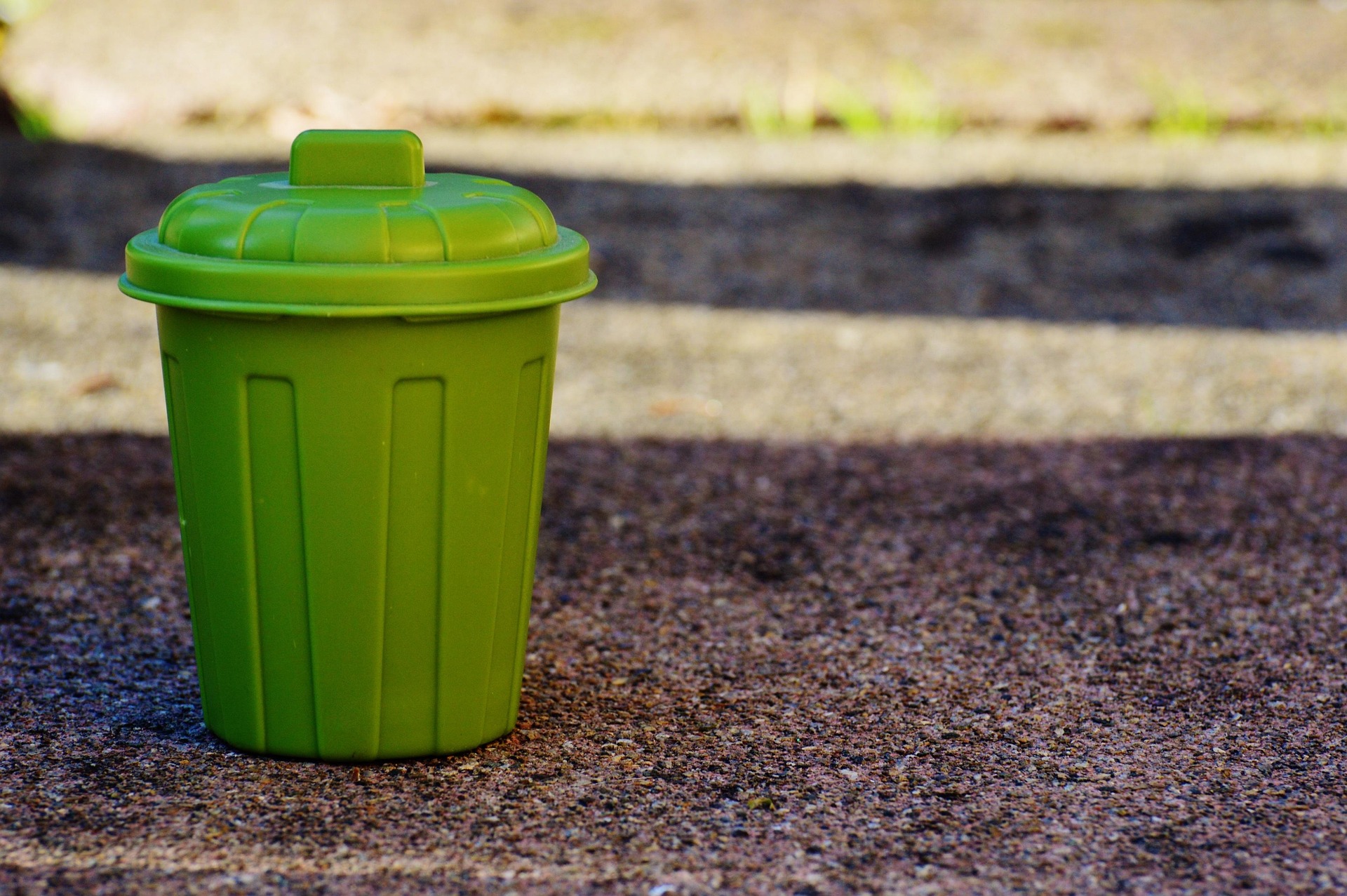
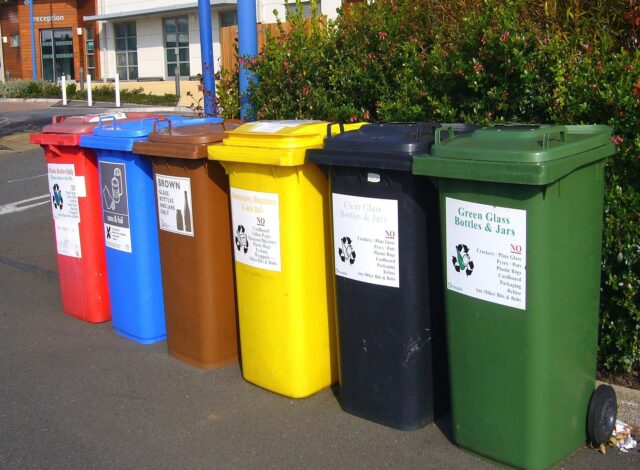
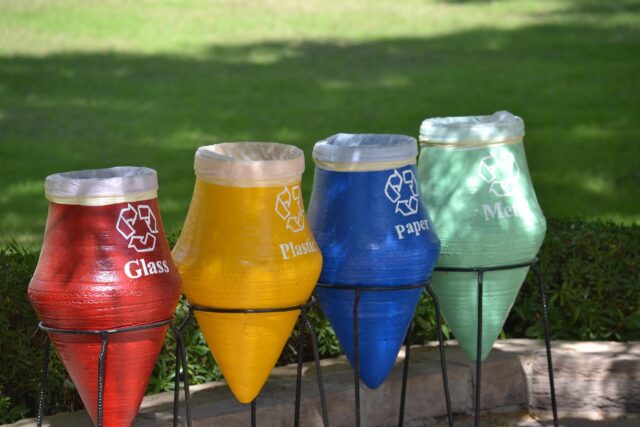
In Cyprus, waste separation is becoming increasingly important. In recent years, the country has been actively implementing a waste separation system to meet European Union recycling requirements and reduce landfill volumes. The country has established collection systems for the main categories of waste subject to separate recycling: glass, plastic, paper, metal, and organic waste. Each municipality uses special containers: glass is green, plastic and metal are yellow or blue, paper is light blue, and organic waste is brown.
Contents
The role of municipalities and citizens
Municipal authorities enforce waste sorting regulations and regularly conduct educational campaigns to raise environmental awareness, including workshops, lectures, and themed events for schoolchildren and students. Residents and businesses are required to separate their waste, and violations can result in fines.
Businesses have separate waste disposal guidelines, including for construction, industrial, and household waste. Hotels, restaurants, and retail establishments are required to establish their own separate collection systems and provide access to containers for guests and staff.
Waste collection in urban and rural areas
In large cities such as Limassol, Larnaca, Nicosia, and Paphos, waste sorting bins are located near residential complexes, schools, universities, and public buildings. In Paphos and Ayia Napa, collection points for bulky and hazardous waste are common.
In tourist areas, including Ayia Napa, Protaras and Limassol, additional containers are being installed on beaches, in parks and along popular walking routes.
In rural areas, residents often use their own compost bins for organic waste and take recyclables to municipal collection points. This approach accommodates the specific needs of the population and infrastructure and reduces waste collection costs.
Features for tourist areas
Tourist areas of Cyprus, such as Ayia Napa, Protaras, and Paphos, require a special approach to waste sorting. In high-traffic areas, additional containers and special bins for plastic bottles and aluminum cans are installed. Many hotels operate their own sorting points, and staff are trained in proper waste disposal. Tourists are informed about waste sorting rules through information signs, brochures, and online resources. Some large resort hotels employ special systems for packaging reuse and household waste recycling.
Holidays and public events
During large-scale events such as festivals, fairs, and beach parties, waste levels increase significantly. Municipalities install temporary additional containers and organize cleanups throughout the day. Volunteer teams and information campaigns for tourists about the importance of waste sorting and maintaining cleanliness are essential.
Recycling and composting
Waste collected in Cyprus is sent for recycling or composting. Glass and metal are transformed into new products, plastic is sorted by polymer type and sent to recycling plants. Paper and cardboard are used to make packaging and recycled cardboard, and organic waste is converted into compost for agricultural use. Composting facilities reduce landfill pressure and help preserve soil fertility. This system creates a closed-loop recycling system and reduces the environmental footprint.
Educational programs and initiatives
The effectiveness of the waste sorting system depends largely on the awareness of residents and businesses. Cyprus is actively conducting educational campaigns explaining how to properly separate plastic and paper, the importance of removing food scraps from packaging, and which materials are recyclable.
Schools and universities offer classes and workshops on waste sorting, recycling, and composting. Companies organize seminars and training sessions on waste reduction and the implementation of recycling systems. Travel agencies inform vacationers about waste separation rules and the importance of maintaining cleanliness. These programs aim to foster environmental awareness among the public and tourists, increasing their responsibility for the environment.
Problems and Prospects
Despite the active implementation of waste sorting, challenges remain in Cyprus: not all residents strictly adhere to the rules, and some waste still ends up in landfills, especially in remote and rural areas. Confusion often arises when sorting different types of plastic. To address these issues, plans are underway to expand infrastructure, install additional containers, use digital solutions to monitor waste collection, and incentivize private businesses with tax incentives. Furthermore, it is necessary to educate tourists about proper waste sorting to prevent the pollution of beaches and resort areas.
Waste sorting in Cyprus is a collaborative effort between the government, municipalities, businesses, and citizens. Separate collection of glass, plastic, paper, metal, and organic waste has been implemented throughout the country, is actively supported by educational programs, and is being developed in tourist areas.
Effective waste recycling and composting reduce landfill pressure, conserve natural resources, and foster a culture of eco-conscious consumption. Further development of the system is linked to infrastructure expansion, digital monitoring, and incentives for private enterprise. A responsible approach to waste sorting ensures the conservation of natural resources, improves quality of life, and supports Cyprus’s image as an environmentally responsible country, attractive to tourists from around the world.