Integration into the new society for wealthy expats and investors in 2026 goes beyond purchasing premium real estate and obtaining legal status. Social responsibility and involvement in the local community are becoming key tools for building a reputation and networking. In Cyprus, volunteering for animal protection and environmental causes is not only a charitable act but also a quick way to understand the local mentality, expand your social circle among like-minded individuals, and create a favorable environment for your family.
Contents
- 1 Social responsibility as an integration strategy in 2026
- 2 Helping Animal Shelters: A Systems Approach
- 3 Environmental initiatives: protecting the island’s natural resources
- 4 Comparative analysis of volunteer programs in 2026
- 5 Integration through corporate volunteering
- 6 Legal and practical aspects of volunteering
- 7 Recommendations for expat families
- 8 FAQ: Frequently Asked Questions
Social responsibility as an integration strategy in 2026
Modern Cyprus is actively implementing ESG (Environmental, Social, and Governance) principles, which is reflected in all areas of life—from development to private initiatives. For those planning to move to Cyprus in 2026, participation in volunteer projects serves as an indicator of seriousness of intent and respect for the island’s values. This is especially relevant for investors seeking a long-term presence and business development in the jurisdiction.
Active citizenship allows one to overcome cultural barriers more quickly. Cypriots highly value sincere support for their land and nature. In 2026, involvement in environmental programs or support for shelters opens doors to closed local communities, which are off-limits to ordinary tourists.
Helping Animal Shelters: A Systems Approach
The problem of stray animals in Cyprus remains a pressing issue, despite the tightening of legislation in 2024–2025. For expats, working with shelters is an opportunity to demonstrate humaneness and meet people from various social backgrounds.
Shelters for dogs and cats
There are dozens of organizations operating on the island, from large municipal structures to small private initiatives in Paphos, Limassol, and Larnaca. In 2026, the most in-demand forms of assistance are:
- Animal socialization: Regular walks with shelter dogs are critical to their subsequent adoption into families.
- Intellectual volunteering: assistance with social media management, legal support for foundations, or organizing fundraising events.
- Fostering: temporary keeping of an animal at home until a permanent owner is found.
Sterilization and Neglect Programs (TNR)
In 2026, the Cypriot government allocated significant grants for Trap-Neuter-Return (TNR) programs, but volunteer participation remains the foundation of this system. Investors often sponsor such programs in the areas where their properties are located, directly improving the comfort and aesthetics of the surrounding areas.
Environmental initiatives: protecting the island’s natural resources
Cyprus faces the challenges of climate change in 2026, making environmental volunteering a priority for the government and private sector. Participation in such projects allows for a deeper understanding of the island’s geography and contributes to the conservation of its unique flora and fauna.
Coastal cleanup and turtle protection
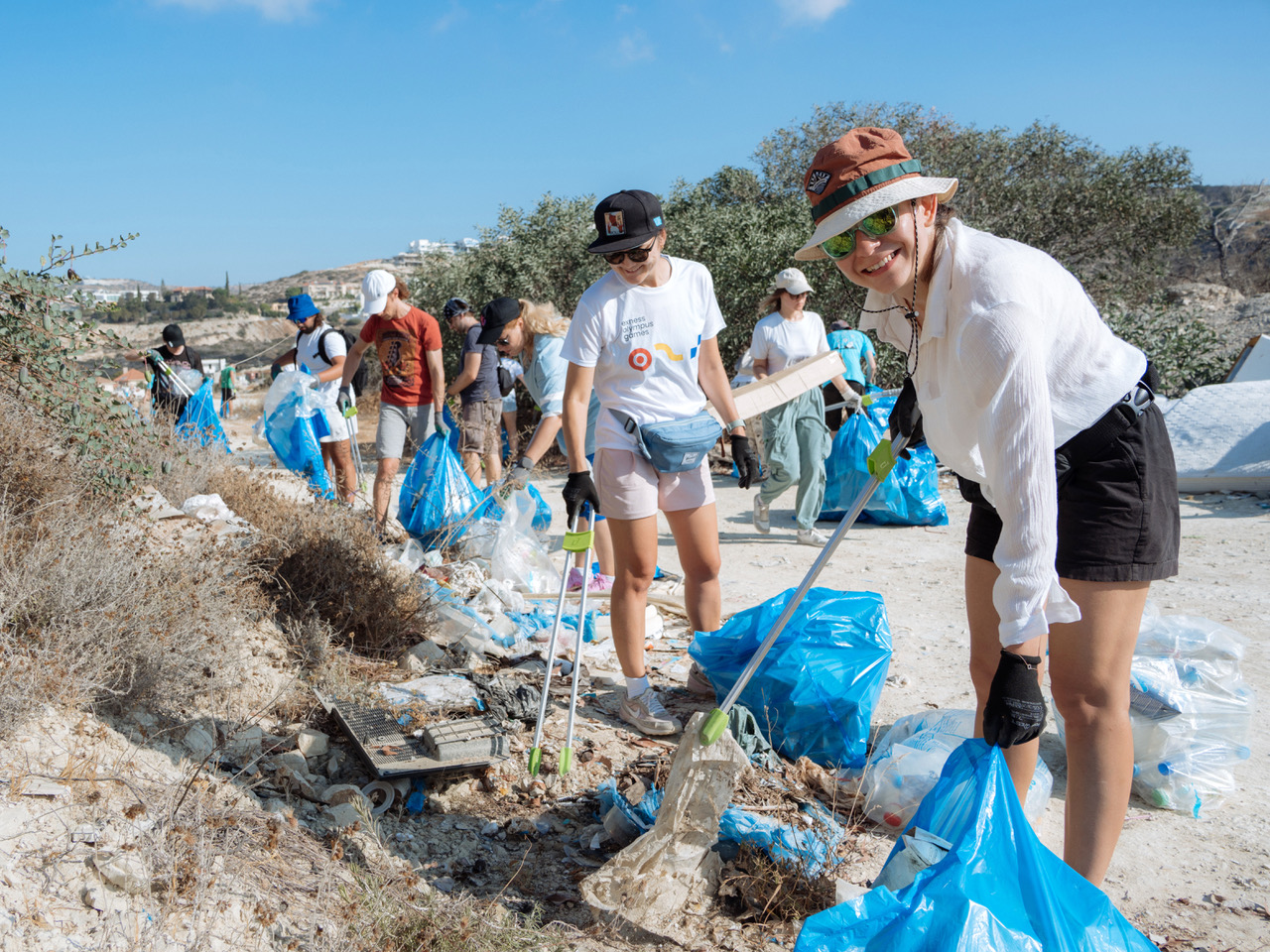
Beach monitoring in the Akamas and Larnaca areas attracts hundreds of volunteers during the summer. This includes monitoring Caretta Caretta turtle nests and cleaning up microplastics. It’s a great way for families with children to instill environmental responsibility in the younger generation.
Reforestation and combating desertification
In 2026, programs to plant millions of trees in the Troodos foothills and around major cities are being actively implemented. Volunteer cleanup days to plant endemic plant species (oak, pine, and Cyprus cedar) are becoming important social events, bringing together the business elite and local residents.
Comparative analysis of volunteer programs in 2026
To effectively manage your time, it’s important to understand the specifics of each activity. Below is a table to help you choose the optimal format for participation.
| Direction | Main tasks | Location | Recommended frequency |
| Dog shelters | Walking, cleaning, training | Limassol, Paphos, Paralimni | 1-2 times a week |
| Cat parks | Feeding, health monitoring | All over the island | Daily (in shifts) |
| Eco-patrols | Beach cleaning, dune protection | Akamas, Akrotiri Peninsula | Seasonal (May–October) |
| Landscaping | Planting trees, watering | Troodos, outskirts of Nicosia | Once a month (winter/spring) |
| Intellectual volunteering | PR, IT support, jurisprudence | Remotely / Fund Offices | At the request of the project |
Integration through corporate volunteering
For company owners relocating to Cyprus in 2026, corporate volunteering is becoming part of their HR brand. Organizing joint employee outings to clean up forests or help shelters fosters team building and demonstrates the company’s commitment to the interests of the Republic of Cyprus.
Such initiatives are frequently covered in local media, building a positive brand image among potential local clients and partners. This will be a significant competitive advantage in the labor market in 2026.
Legal and practical aspects of volunteering
Before starting volunteer work, you must ensure the organization’s legality. As of 2026, Cyprus has had a strict registry of non-profit organizations (NGOs).
- Registration verification: The foundation must have an official registration number issued by the Ministry of Internal Affairs.
- Insurance: Large foundations provide their volunteers with basic insurance for the duration of their work.
- Tax benefits: Donations to officially registered foundations in Cyprus can be deducted from the tax base when filing an income tax return.
Recommendations for expat families
For children, volunteering at shelters is the best way to learn empathy and responsibility. Many schools in Cyprus (British Schools, International Schools) will include volunteer hours in the mandatory curriculum in 2026 or consider them when creating portfolios for admission to universities in Europe and the United States. Family involvement in environmental activities strengthens bonds and creates shared memories that are inextricably linked to their new home on the island.
FAQ: Frequently Asked Questions
Is knowledge of Greek necessary for volunteering?
In 2026, most major foundations and environmental initiatives in Cyprus are international. Communication within the volunteer community is primarily in English. However, a basic knowledge of Greek is welcome and significantly simplifies interactions with older members of the rural community, furthering integration.
Is it possible to obtain an official certificate of volunteer activity?
Yes, most registered NGOs issue official letters and certificates upon request, indicating the number of hours worked and the nature of the tasks performed. These documents are legally binding and can be used as proof of social activity when applying for Cypriot citizenship or when applying to educational institutions.
Are there any age restrictions for volunteering at shelters?
For safety reasons, most dog shelters only allow people 18 years of age or older to volunteer. Minors (12 years and older) may volunteer only if accompanied by a parent or legal guardian. Environmental activities such as tree planting or litter pickups typically have no age restrictions, making them ideal for family fun.
How can you financially support shelters if you don’t have time for personal involvement?
In 2026, Cyprus had a well-developed remote support system. You can set up a recurring donation (Direct Debit), become a “virtual owner” of a specific animal, paying for its care and treatment, or purchase food and medications through specialized online stores with direct delivery to the shelter.
Is volunteering in shelters dangerous for health?
Official organizations strictly enforce sanitary standards. All animals in shelters undergo mandatory veterinary inspections, vaccinations, and deworming. Volunteers undergo introductory training on safety precautions and animal behavior. Risks are minimal if established rules are followed and personal protective equipment is used.