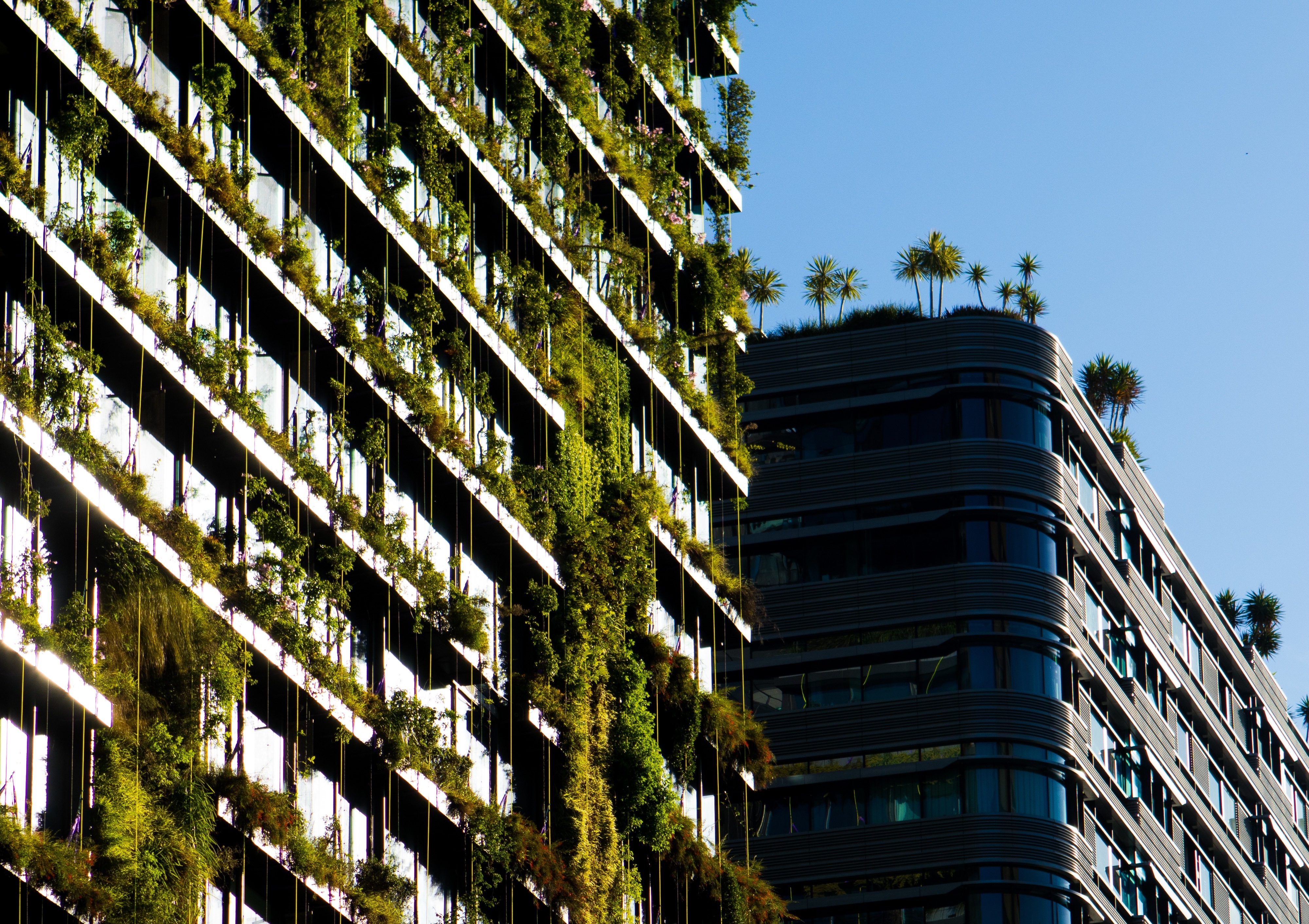
Contemporary architecture in Cyprus in 2026 is undergoing a fundamental transformation, with the integration of living nature into the urban environment taking center stage. In the densely populated areas of Limassol, Nicosia, and Paphos, the concept of vertical gardens and landscaped terraces has ceased to be an exotic design element and has become a strategic development tool. Investors and buyers of premium housing are increasingly choosing properties that offer not just panoramic views, but their own private oases at altitude. This trend is driven not only by aesthetic considerations but also by stringent requirements for sustainable development and climate comfort.
Contents
The impact of vertical gardening on the capitalization of objects
Market analysis in recent years confirms that the presence of a professionally designed vertical garden or cascading terrace landscaping increases the estimated value of a property by 12-15% compared to similar properties without an eco-friendly component. Buyers in 2026 are looking for psychological relief and a clean microclimate within the city limits. A residential complex with “green” facades stands out from the standard concrete buildings, ensuring high liquidity in the secondary market and allowing the owner to set higher rents. Investments in high-quality landscaping pay off by reducing the property’s exposure period during the sale, as the visual appeal of such apartments significantly exceeds market standards.
Energy efficiency and natural thermoregulation
One of the main problems facing Cypriot real estate is overheating in summer, which entails colossal air conditioning costs. Vertical greenery acts as a natural “living shield.” The vegetation creates an air gap between the foliage and the wall, preventing direct sunlight from heating the concrete. This allows for a reduction in indoor temperatures by 3-5 degrees Celsius without the need for electrical appliances. In the long term, this saves up to 20% of the energy budget. Furthermore, plants effectively absorb urban noise and filter dust, which is critical for apartments located near busy highways or in central business districts.
Technical implementation and engineering challenges in Cyprus
Creating a sustainable vertical garden in the Cypriot heat requires impeccable engineering. The primary challenge is the design of automated drip irrigation systems, which are often integrated into the overall smart home control system. Modern projects designed for 2026 increasingly utilize water recirculation systems: air conditioner condensate and purified process water are used to irrigate the facades, making the facility autonomous and environmentally friendly. Plant selection is also important. Landscape designers favor local endemics and drought-resistant vines, such as bougainvillea, jasmine, and various types of succulents, which can withstand intense UV radiation and sea breezes.
Operation and maintenance of green assets
For property owners in Cyprus, it’s important to understand that a vertical garden is a living organism that requires regular professional maintenance. In premium residential complexes, outdoor landscaping maintenance is usually included in the common charges and is performed by specialized companies using industrial climbers or automated platforms. When purchasing a private villa with a green wall, the owner must budget for monthly maintenance, including checking the hydroponic systems, fertilizing, and pruning. Despite the additional maintenance costs, the property’s eco-friendly status and exceptional level of comfort make such investments among the most reliable in a Cyprus property portfolio.