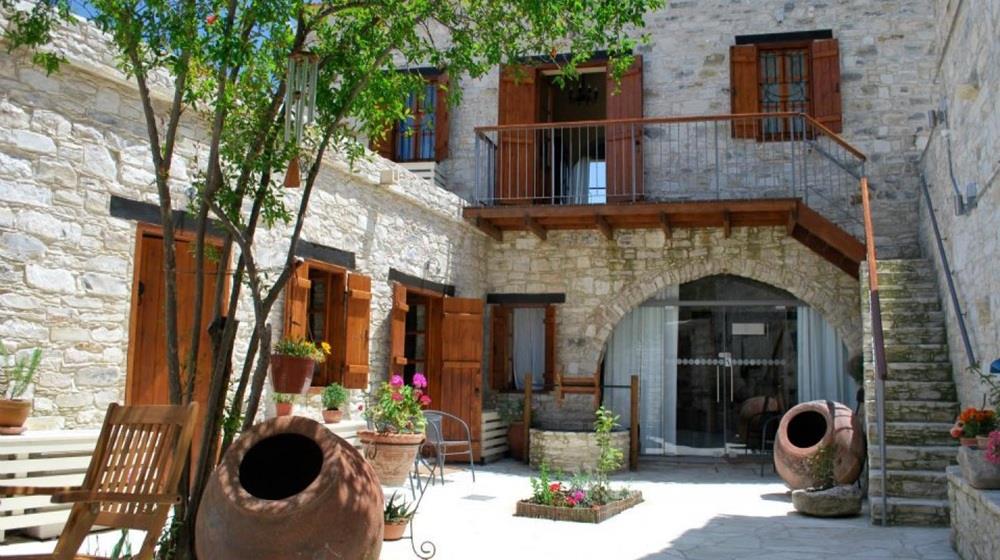
The Council of Ministers approved a decision to increase the maximum allowable cost of restoring buildings listed as cultural heritage sites. This initiative is part of the Ministry of the Interior’s larger strategy to simplify and improve the management system for sites of historical value.
Adaptation to market realities
The need to revise financial standards arose due to significant increases in the prices of building materials and labor. Experts estimate that restoration costs have increased by approximately 25–30%, creating problems for the owners of such buildings.
To reduce the gap between actual costs and government reimbursements, the limits on recognized costs were changed as follows:
- For properties up to 300 sq.m : the amount has been increased from €1,400/sq.m to €1,700/sq.m .
- For buildings with an area from 301 to 1000 sq. m : from €1300/sq. m to €1600/sq. m .
- For buildings with an area of more than 1001 sq. m : from €1000/sq. m to €1300/sq. m .
These measures allow owners to plan renovations more effectively, whether it is a small one-bedroom building in a rural area or a large multi-bedroom estate in an urban center.
Simplification of administrative procedures
In addition to financial support, the Cypriot government is implementing a number of structural changes in every district of the country. The main goal is to create a flexible and modern system for protecting architectural heritage. Key innovations include:
- Accelerated licensing: implementation of fast procedures for issuing work permits for sites included in the list of protected architectural monuments.
- One-stop shop: creating centralized service points for architects and owners of residential properties included in the list of protected architectural monuments.
- Digitalization: converting cultural heritage registers into electronic format and creating a unified database.
- Removing barriers: For low-risk projects, the requirement to obtain a general building permit is planned to be abolished.
Preserving heritage in every area
The reforms will affect both historic city centers and traditional villages. Department of Restoration offices will be established in each district, facilitating interaction with local authorities. A special practical guide to building restoration is being developed to assist owners and specialists.
The ultimate goal of these changes is not only to preserve the urban landscape but also to facilitate the reuse of historic residential properties. This will allow historic buildings to be integrated into modern economic life, ensuring their longevity and functionality.