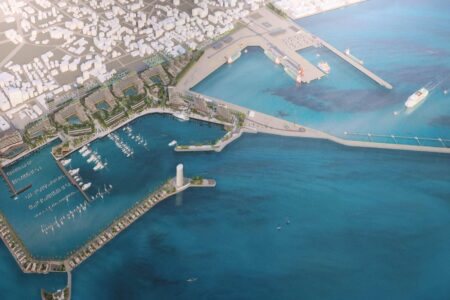
Larnaca is a large port city in southeastern Cyprus, known for its beaches, historical landmarks, and developed tourist infrastructure. For a comfortable stay, it’s important to know the available transportation options: public transportation, taxis, car rentals, bicycles, motorbikes, and walking routes. Each option has its own characteristics, routes, and fares, allowing you to plan your trips around the city and surrounding areas as efficiently as possible.
Contents
Bus service in Larnaca
The main form of public transport is city buses, operated by Intercity Buses Cyprus and local carriers. City routes cover the city center, tourist areas, beaches, and the airport.
Main bus routes:
- Route 425: Larnaca Airport – city center – Finikoudes Beach. Frequency: every 30 minutes in summer, every 60 minutes in winter. Fare: €1.50–€2.
- Route 425X: Express bus from the airport to the city center without stops. Frequency: every 20–25 minutes.
- Route 410: Larnaca city center – Ormida village – tourist beaches in the southern part of the city. Frequency: every 40 minutes. Cost: €1.80.
- Route 431: Larnaca city center – industrial area – airport. Buses run every 45–60 minutes, tickets cost €2–€2.50.
Buses are air-conditioned and equipped with information boards. Tickets are sold directly to the driver and from ticket machines at major stops. Multi-trip passes are available for tourists and locals: 5 trips for €6, 10 trips for €11, and 20 trips for €20. Children under 12 travel free when accompanied by an adult.
Intercity routes
Larnaca is connected by bus routes to other cities and tourist areas of Cyprus. Popular destinations include:
- Larnaca – Nicosia: flights every 1-2 hours, ticket price around 5-6 €.
- Larnaca – Limassol: 2-3 flights per day, tickets cost €7-8.
- Larnaca – Ayia Napa: the frequency of services in summer has been increased to 4-5 departures per day, costing around €8.
Intercity buses are equipped with comfortable seats and luggage compartments. The stop is located at Larnaca’s main bus station, where you can buy tickets and get the latest schedule.
Car rental
Car rental is popular for exploring not only Larnaca, but also the surrounding areas: beaches, mountainous areas and tourist areas.
Rental price:
- Compact car: €25–35 in low season, €40–50 in summer
- Middle class: €50–€70
- Insurance and additional services affect the final car rental price.
Traffic regulations include left-hand traffic, narrow streets in the historic center, and limited parking. Paid parking is available in tourist areas, costing €1–2 per hour. Renting a car provides freedom of movement and allows you to visit Larnaca Salt Lake, the Troodos Mountains, and the beaches of Ayia Napa and Protaras .
Taxi and transfer
Taxis are a convenient and fast way to get around Larnaca, especially for tourists with luggage or in the evening when buses run less frequently.
Taxi fare features:
- Basic fit – €3
- The cost per kilometer is 0.90–1 €
- Nighttime surcharge (10:00 PM–6:00 AM) — +20%
- Holidays – +25%
- Luggage – +1 € per bag
Private transfers are also available for tourists, booked online or through your hotel. A trip from the airport to Larnaca city center costs €15–20, and to Ayia Napa, €50–60. Transfers lasting several hours or the entire day start at €25 per hour. Most drivers speak English, making it convenient for international guests.
Bicycles and motor vehicles
Bicycles and scooters are available for short trips in Larnaca. Bicycles cost €5–7 per hour and €15–20 per day. Scooters cost €20–30 per day. Bicycles are convenient for strolling along the promenade, while scooters are ideal for traveling between tourist areas and beaches.
Wearing a helmet, wearing reflective clothing, and following traffic rules is recommended. Bicycles and scooters are especially popular during the summer for rides along beaches and parks.
Hiking routes
Walking is especially convenient in the center of Larnaca and the Finikoudes promenade, where cafes, shops, beaches, and cultural attractions are concentrated. Key walking attractions include:
- Larnaca Archaeological Museum
- Salt Lake and the Church of St. Lazarus
- Historic quarters with traditional architecture
Walking routes allow you to explore the city at a leisurely pace, photograph the sights, and enjoy the beach area. It’s recommended to plan your walks for the morning or evening hours, taking into account the hot midday sun during the summer months.
Practical tips for tourists
- A combination of buses and walking routes can be used to save time and provide convenient access to attractions.
- Taxis and transfers are suitable for late-night trips and when you need to travel with luggage.
- Renting a car allows you to visit beaches, mountainous areas and neighboring towns, giving you freedom of route.
- Bicycles and scooters are convenient for short trips and walks along the embankment.
- It is important to check the bus schedule, especially in winter when the intervals between flights are longer.
- Use mobile apps to track buses and order taxis.
Larnaca’s transportation system offers a variety of options for getting around the city and its surrounding areas. Buses, taxis, car rentals, bicycles, and walking routes create a flexible infrastructure suitable for tourists and locals alike.
Knowing routes, schedules, fares, and traffic patterns allows you to comfortably plan trips, visit attractions and beaches, explore the surrounding area, and enjoy all the city has to offer. Modern technologies and mobile apps make travel more convenient and predictable, ensuring maximum comfort for all types of travelers.