The Cyprus residential real estate sector is entering a period of profound transformation. As Yannis Misirlis, Chairman of the Cyprus Developers Association and CEO of Imperio Group, noted, real estate development today is no longer limited to simply constructing buildings or monitoring investment flows. Today, the industry is becoming a key tool for shaping the country’s economic, social, and urban future.
From building objects to designing environments
Historically, residential real estate in Cyprus has served primarily as an engine of growth: attracting foreign capital, creating jobs, and stimulating overall activity. This role remains critical, but societal expectations have expanded significantly. Developers are now being asked to go beyond simply renting out square meters and design cities where people will live, work, and raise families.
Cities like Limassol and Nicosia are undergoing structural transformation. This process is driven by international investment, the relocation of global companies, and an influx of highly skilled professionals. In this context, the industry must move beyond individual buildings and focus on creating an integrated urban environment that combines:
- and architectural quality ;
- ecology ;
- functionality ;
- with social balance .
Despite the unstable geopolitical landscape in the Eastern Mediterranean, Cyprus has repeatedly proven its ability to recover. The country maintains its position as a stable European jurisdiction with robust institutions. To maintain this stability, the sector requires transparent rules of the game and high professional standards. The introduction of official frameworks for the professional activities of entrepreneurial developers is seen as an important step toward strengthening investor confidence.
The problem of affordability of residential real estate
One of the most pressing challenges for Cyprus, as for the whole of Europe (from Lisbon to Amsterdam), remains the affordability of residential property. This issue has ceased to be a purely economic one and has become a major social policy challenge. Access to residential property directly impacts social mobility and the quality of life of the younger generation.
Solving this problem requires a partnership between the public sector, the private sector, and European institutions. Developers’ challenge here is to provide a comprehensive supply that will meet the needs of both young families and foreign professionals.
Technology and ecology
The sector is undergoing a technological revolution. Digitalization , advanced data analytics, and artificial intelligence are changing the way we plan and manage facilities. Technology enables more efficient construction, lower costs, and greater process transparency.
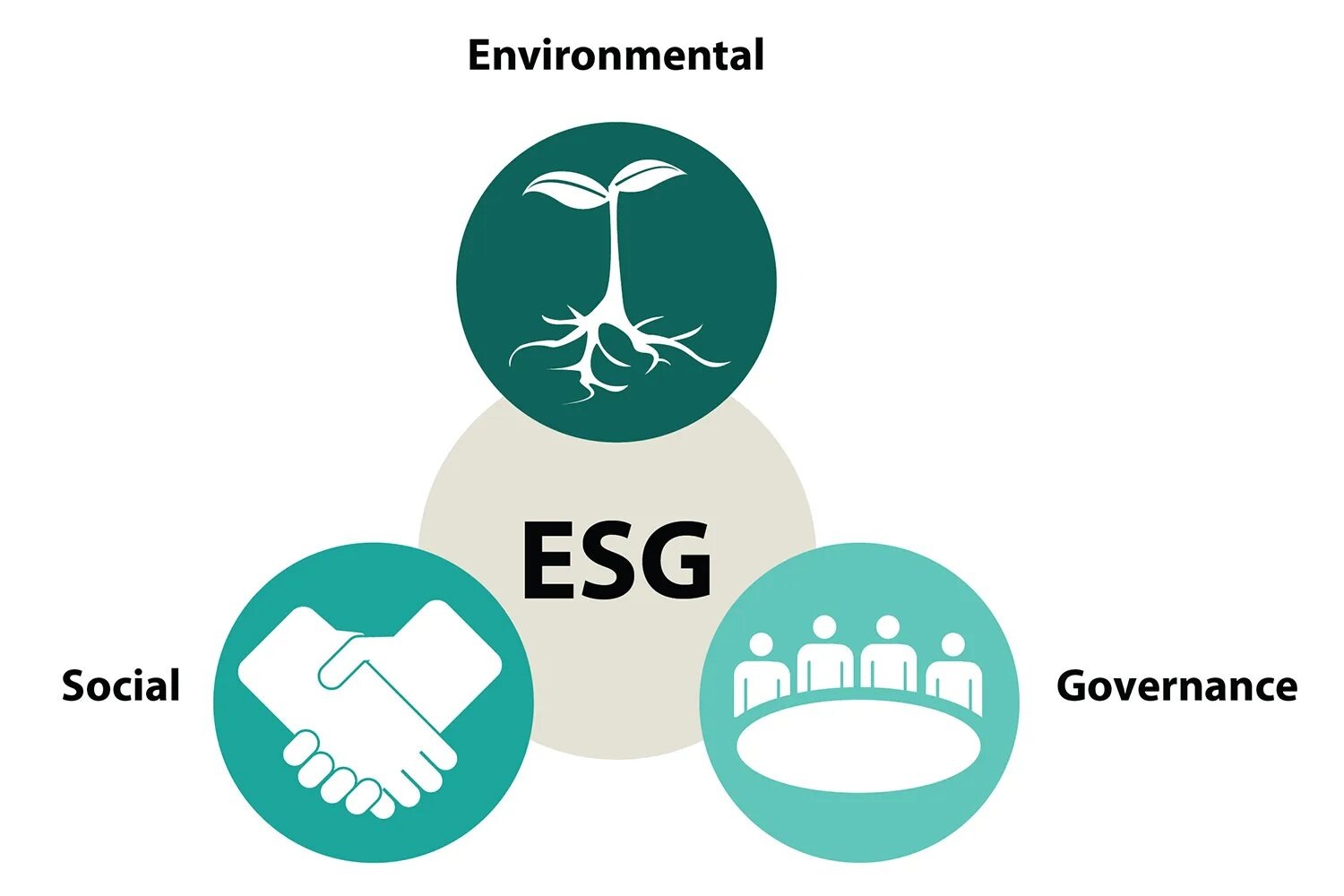
At the same time, environmental responsibility is becoming a fundamental cost factor. Energy efficiency and urban quality are no longer optional extras for prestige—they are basic requirements. Modern residential real estate must be resilient to external influences and designed with the long-term development of the city in mind.
In the coming years, the residential real estate sector will remain a powerful pillar of the Cypriot economy. However, its success will depend on its ability to become a strategic platform for creating inclusive and vibrant cities, where comfortable one-, two- , and three-bedroom residential properties are accessible to a wide range of residents in every district of the country.