Understanding the technical construction processes in Cyprus is critical for investors purchasing off-plan properties. Modern Cypriot construction combines time-tested solutions for the Mediterranean climate with strict European regulations (Eurocodes). The quality of building construction on the island has improved dramatically in recent years, driven by the arrival of international architectural firms and stricter government oversight. Knowing exactly how your future home is being built not only allows you to control the developer but also ensures the longevity of your investment and the safety of your residence.
Contents
Foundation and frame: seismic resistance and corrosion protection
Since Cyprus is located in a seismically active zone, all buildings are designed to meet strict seismic safety standards. Monolithic reinforced concrete remains the primary building material. High-strength concrete grades and special rebar with an anti-corrosion coating are used in the frame construction, which is especially important for the coastal areas of Limassol and Larnaca, where sea salt can penetrate the concrete structure.
The process begins with a thorough soil analysis and the creation of a strong raft foundation. A crucial step here is waterproofing the building’s underground sections. Modern projects employ a multi-layer protection system, including bitumen membranes and the addition of hydrophobic additives directly to the concrete mix. This prevents capillary rise of moisture, a problem common in older buildings on the island.
Walls and thermal insulation: new standards
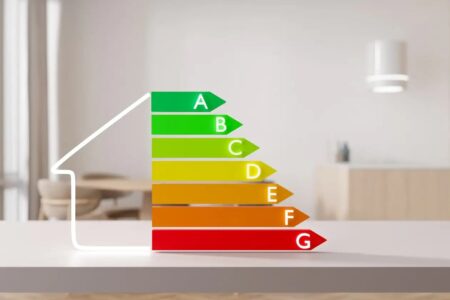
Cypriot houses were traditionally built of hollow brick, but energy efficiency requirements for Class A buildings have necessitated adjustments. The walls are a complex, multi-layered structure. The building’s exterior is insulated with extruded polystyrene foam or stone wool slabs at least 8–10 cm thick. This creates a “thermos” effect: the house doesn’t overheat in the scorching summer sun and retains heat during the cool winter months.
Interior partitions are most often constructed of brick or plasterboard systems double-filled with soundproofing mats. Particular attention is paid to “thermal bridges”—the joints between concrete floors and walls—which are carefully insulated to prevent condensation and mold.
Engineering systems and Smart Home
Modern Cypriot real estate is a high-tech machine. Engineering costs account for up to 30% of the total construction cost. Premium projects now come standard with:
- VRV/VRF systems: Central air conditioning with independent control in each zone, which operates significantly quieter and more economically than standard split systems.
- Hydronic underfloor heating: Powered by heat pumps, it has become the gold standard for comfort during the Cypriot winter.
- Water purification and softening systems: Due to the high hardness of the water on the island, the installation of filtration stations at the inlet to the building is mandatory.
- Solar farms: Photovoltaic panels on building roofs cover a large portion of the costs of public lighting and elevator operation.
Windows and facade solutions
Glazing in Cyprus serves not so much a function as lighting but as thermal insulation. Developers use aluminum profiles with thermal breaks and energy-saving double-glazed windows with UV-reflective coatings. Large panoramic windows, so popular in Limassol, require complex fastening systems and the use of tempered glass (triplex) to ensure safety during strong gusts of wind. Durable materials are prevalent for façade finishing: large-format porcelain tiles, natural stone, and HPL panels, which are resistant to fading in the sun.
Technical supervision and inspection stages
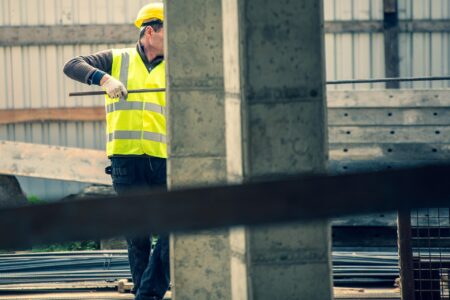
Construction in Cyprus is subject to multi-stage oversight. Quality control is monitored not only by the developer’s foreman, but also by an independent project architect and municipal engineers. Mandatory inspections are conducted at key stages (foundation pouring, floor reinforcement, electrical installation).
For a buyer of a property under construction, the payment schedule is usually tied to completed stages:
- Skeleton: Completion of monolithic works.
- Walls and primary finishing (Brickwork & Plastering): Construction of partitions and plastering.
- Flooring and tiling: Installation of finishing coatings.
- Final stage (Completion): Installation of plumbing, kitchens and doors.
Professional developers provide clients with access to live cameras on the construction site and monthly photo reports. The process concludes with a Certificate of Final Approval, which confirms that the building fully complies with the approved design and all building codes. Investing in a property built to modern standards guarantees minimal operating costs and high property liquidity for decades to come.