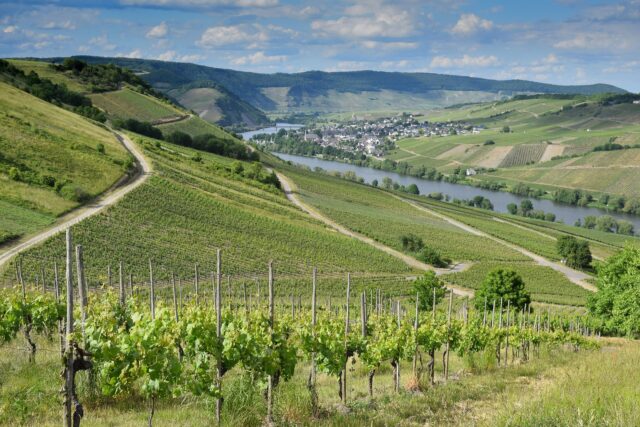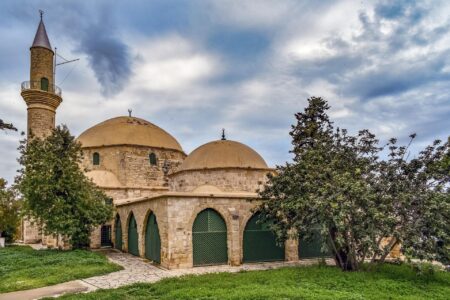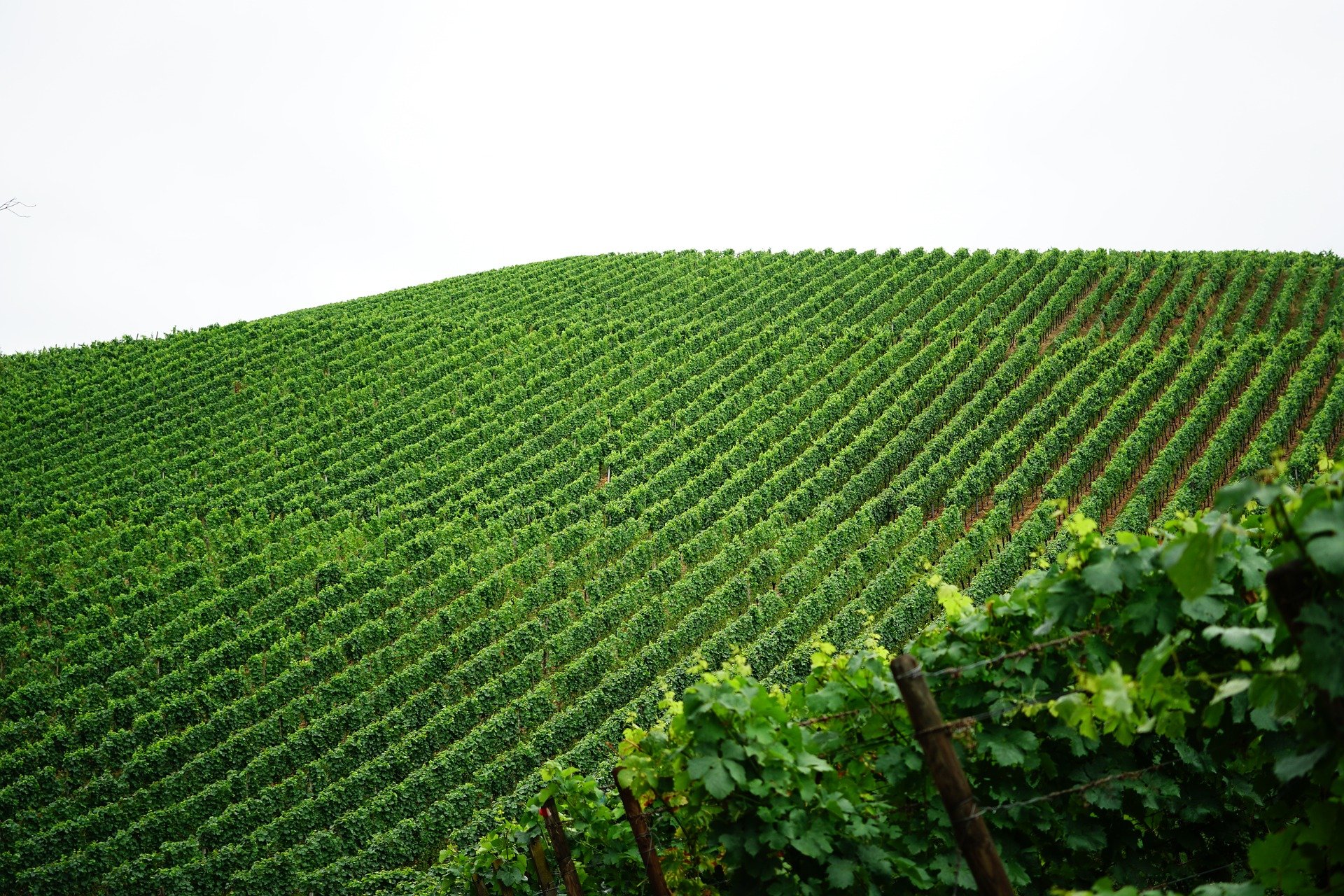
Limassol is the capital of Cypriot winemaking and the center of the island’s oldest winemaking villages. This region is considered the cradle of Cypriot wine culture, where traditions have been preserved for over four thousand years. The hills surrounding the city create an ideal terroir for growing grapes: warm sunshine, gentle sea breezes, and limestone soils create conditions that impart richness, fruitiness, and distinctive freshness to the wines.
Contents
Historical significance of the region
Winemaking in the area of modern-day Limassol has ancient roots. Archaeological finds indicate that grapes were being produced here as early as the Bronze Age, and in the Middle Ages, these lands became the center of the Eastern Mediterranean wine trade. Limassol gained particular importance in the 13th century, when the Knights of the Order of St. John began producing the famous Commandaria —a sweet fortified wine named after the monastery grounds of La Grande Commanderie .
Today, the region remains the main wine center of Cyprus, uniting more than 40 wineries – from small family farms to modern enterprises whose wines are exported throughout the world.
Geography and climate
The region’s vineyards stretch from the coastal plains of Limassol to the slopes of the Troodos Mountains, where the climate is cooler and the soils are rich in minerals. It is at altitudes of 800–1100 meters that the best berries of the indigenous varieties— Xynisteri , Mavro , and Maratheftiko— ripen .
The contrast in temperature between day and night allows the grapes to accumulate aromatic compounds, and the high humidity from the sea makes Limassol’s wines particularly balanced.
The region’s main wine routes
The Cyprus Ministry of Tourism has identified several official wine routes in Limassol , each offering a unique experience:
- The Commandaria Route is the most famous, passing through 14 villages where the famous Commandaria wine is produced. This route connects the villages of Zopigi, Lania, Monagri, Agios Georgios, Agios Mammas, and others.
- The Klonos-Panagia-Ardes Wine Route leads to wineries in the Paphos and Limassol areas, including Panagia and Vouni.
- The Pitsilia Route runs along the slopes of the Troodos Mountains and is known for producing rich red wines.
Each route combines tastings, excursions, and exploration of village architecture, ancient temples, and nature.
The best wineries near Limassol
Kyperounda Winery
One of the most renowned wineries not only in the region but in all of Cyprus, it is located in the mountain village of the same name at an altitude of 1,100 meters—one of the highest wine-producing points in Europe.
Founded in 1998, it specializes in premium wines from the Xynisteri , Cabernet Sauvignon , and Shiraz grape varieties . Its white Petritis and red Andessitis wines regularly receive international awards. The winery features a tasting room and offers vineyard tours with views of the Troodos Mountains.
Tsiakkas Winery
Located in the village of Pelendri, in the heart of the Pitsilia region, this family-run winery, founded in 1988, is known for its experiments with the indigenous varieties Maratheftiko and Yiannoudi . Their technology combines traditional fermentation methods with modern approaches to oak aging.
In the tasting room, you can try the white Xynisteri , the rosé Lefkada , and the rich red Tsiakkas Maratheftiko .

Zambartas Wineries
A modern winery founded in 2006 in the village of Agria. Its founder, oenologist Akis Zambartas, was one of the first to study Cypriot indigenous varieties.
Today, the company is managed by his son, Mark Zambartas, and is renowned for its fresh, elegant, and softly structured wines. Particularly popular are the Single Vineyard Maratheftiko , Xynisteri , and the Zambartas Shiraz-Lefkada blend .
Kellaki Winery
Located in the village of Kellaki, near Limassol, this small but atmospheric winery crafts wines from Cabernet Sauvignon , Grenache Noir , and Mavro grapes , offering an authentic taste of the region.
Vlassides Winery
Founded in 1988 in the village of Kyperounda, the modern building was designed by renowned architect Heraclidas. Production focuses on high-quality blended wines of Syrah , Grenache , and Cabernet Franc . Tastings take place in a glass room overlooking the vineyards and valley, and the surrounding landscape makes the visit especially impressive.
Commandaria Co-Operative
This is the largest cooperative winery in the region, uniting several villages producing the legendary Commandaria wine . Visitors are offered a tour of the wine cellars, where they can witness the oak aging process and taste this thousand-year-old wine.
Grape varieties and taste characteristics
More than 20 grape varieties grow in Limassol and its surroundings, but special attention is paid to the indigenous ones:
- Xynisteri is a light and refreshing white with notes of green apple and citrus.
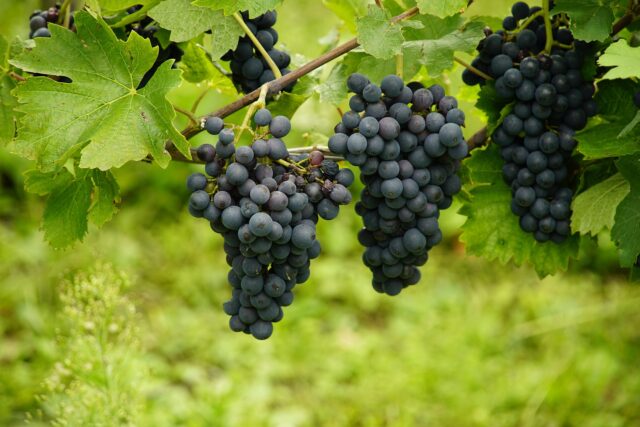
- Maratheftiko is a rare Cypriot red variety, characterized by rich, spicy aromas and a deep ruby color.
- Mavro is the main variety for dessert wines, including Commandaria.
- Yiannoudi is an ancient variety that has recently been revived by winemakers in the region.
These varieties give the wines a special character: white wines are distinguished by freshness and aromas of wild herbs, while red wines are rich, with soft tannins and a distinct aftertaste.
Wine festivals and events
Every September, Limassol hosts the renowned Limassol Wine Festival —the largest event of its kind in Cyprus. Dozens of wineries gather in a park along the coast, offering tastings, traditional dishes, and entertainment. The festive atmosphere reflects the philosophy of Cypriot winemaking—joy, hospitality, and respect for tradition.
In addition, the villages of Pitsilia and Commandaria host local harvest festivals , where tourists can participate in the grape harvest and see the grape pressing process using ancient technology.

Practical tips for travelers
A visit to the wineries can be conveniently combined with a trip to the region’s mountain villages. It’s best to rent a car, as public transportation between the villages is limited. Almost all wineries accept guests by reservation.
Spring and autumn are ideal times to visit: the vineyards are green, the temperatures are comfortable, and the harvest begins in September. Many wineries combine tastings with a light lunch of traditional dishes like halloumi, meze, and fresh bread with olive oil.
The wineries near Limassol are the heart of Cypriot wine culture, a place where ancient traditions coexist with modern technology. Every bottle of wine from this region captures the warmth of the sun, the aroma of mountain herbs, and the breath of the Mediterranean.
A journey along Limassol’s wine routes is more than just a culinary tour; it’s an introduction to the island’s history, nature, and soul. From cozy family-run wineries to large-scale enterprises, they are all united by a single idea: to convey through the taste of wine the unique atmosphere of Cyprus, where past and present intertwine in a glass of amber.