In 2026, Cyprus firmly established itself as one of the EU leaders in the deployment of solar energy for homes. With over 320 sunny days per year, the use of photovoltaic panels has transformed from an environmental initiative into a pressing economic necessity. Amid global energy price volatility, the cost of 1 kilowatt-hour of electricity on the island remains high, making the payback period for solar systems incredibly short. The main mechanism allowing property owners to virtually eliminate their electricity bills is the government’s Net Metering program. This system transforms the island’s power grid into a giant “virtual battery,” allowing homeowners to harness the sun’s energy most efficiently.
Contents
Net Metering Mechanism: Operating Principle and Offsetting
Net Metering is a system of offsetting fees between solar power plant owners and the Electricity Authority of Cyprus (EAC). In 2026, this scheme will operate under a simplified algorithm, eliminating the need for expensive home batteries for most users.
The operating principle of the system is divided into 2 phases:
- Daytime generation: During daylight hours, solar panels generate energy. If a home consumes less than the panels produce, the excess is automatically sent to the national grid. A special bidirectional meter records every kilowatt supplied.
- Nighttime consumption: In the evening and at night, when the panels are not operating, the home draws energy from the grid. At the end of the billing period (usually every two months), the EAC subtracts the amount of energy supplied from the amount consumed.
If, at the end of the year (the cycle ends in March), you have supplied the same or more energy to the grid than you have consumed, your bill for actual consumption will be 0. The owner pays only fixed municipal fees, taxes, and a grid maintenance fee, which totals between 15 and 30 euros per billing period, instead of the standard 300 or 500 euros for a home with air conditioning.
Technical parameters and limitations of the system in 2026
Clear technical regulations will be in effect for residential properties in Cyprus in 2026. The maximum system capacity for a private home under the Net Metering program is limited to 10 kilowatts. This is sufficient to fully cover the needs of a large villa with 4 or 5 bedrooms, a swimming pool, and constantly running climate control systems .
- Installation area: A 5-kilowatt system requires approximately 25 or 30 square meters of roof space. Modern panels from 2026 have an efficiency of over 22%, allowing for more energy to be generated in a smaller area.
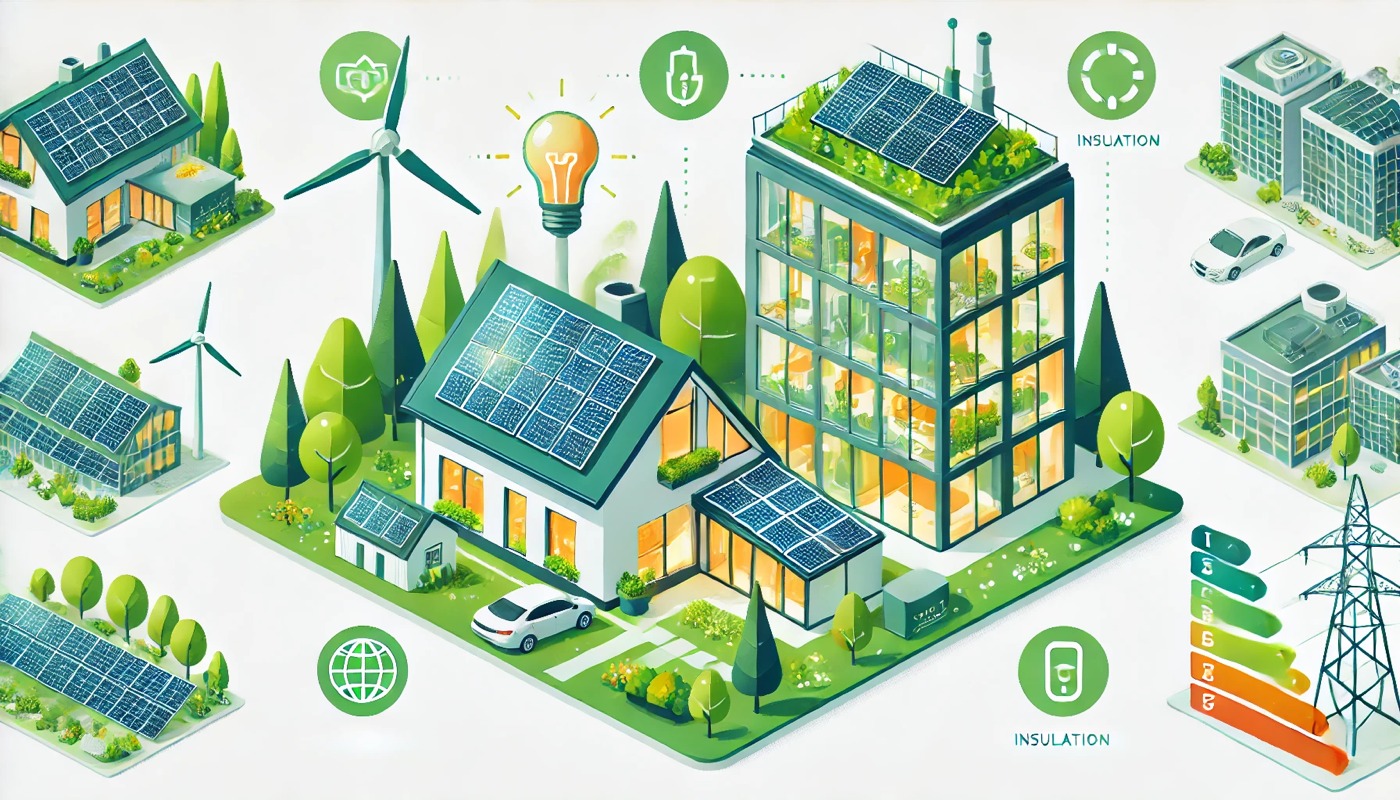
- Equipment: The system consists of photovoltaic modules, an inverter (which converts direct current to alternating current), and a mounting system. In 2026, the use of inverters with remote monitoring functionality will be mandatory, allowing the owner to monitor generation in real time via a mobile app.
- Service life: Manufacturers provide a 25-year warranty on energy production (at least 80% of the nominal value). Inverters typically require replacement or major maintenance after 10 or 12 years.
Economics and payback: calculation for 2026
Solar energy investments in Cyprus offer some of the highest returns of any property improvement. The cost of a turnkey system installation in 2026 averages €1,100 to €1,300 per kilowatt of installed capacity.
Let’s look at an example for a standard home with a consumption of about 8,000 kilowatt-hours per year:
- Power requirement: 5 kilowatt system.
- Installation cost: Around 6,000 – 6,500 euros.
- Annual savings: At current rates, savings will be approximately €1,800 – €2,200 per year.
- Payback period: 5 to 3.5 years excluding government subsidies. With subsidies, the period is reduced to 1.5 to 2 years.
In 2026, the Cypriot government will continue to actively subsidize the “Solar for All” program. Certain categories of the population will be able to install solar panels without a down payment: the cost of the system is gradually paid through electricity bills, which will remain lower than before the panels were installed.
Virtual Net Metering: A Solution for Apartment Owners
A significant achievement in 2026 was the widespread adoption of the Virtual Net Metering system. Previously, apartment owners in multi-unit buildings were limited in their solar energy use due to the lack of roof space. Now, legislation allows for panels to be installed in one location (for example, on a dedicated plot of land or on the roof of another building), and the generated energy to be credited to an apartment located in another part of the city.
This opened the solar energy market to thousands of residents of Limassol and Nicosia living in high-rise complexes. Investors can purchase a share in a solar park, and EAC will automatically deduct their share of the generated electricity from their city apartment’s electricity bill.
Impact on real estate value and liquidity
Net Metering is a powerful marketing advantage for property sales and rentals in 2026. In home listings, the phrase “Zero Electricity Bills” increases response rates by 40%.
For the buyer, purchasing a home with an already installed and legalized system means no hidden costs down the road. The price of such properties on the secondary market is, on average, 4% to 6% higher than competitors. In the rental market, owners of homes with solar panels can either include electricity in the rent, attracting tenants with a “transparent price,” or rent the property at a rate above market, arguing that the utility bills for tenants are minimal.
Maintenance and care
Photovoltaic systems in Cyprus are extremely low-maintenance, but require two rules to maintain 100% efficiency. The first is regular panel cleaning. Due to dust blown in by winds from the Sahara, efficiency can drop by 15 or 20% in just one month. In 2026, most owners use automatic cleaning systems or have professional cleanings performed three or four times a year. The second is inverter monitoring. Modern software automatically alerts owners of voltage drops or grid errors, allowing for troubleshooting within one day.
Switching to solar energy through the Net Metering system in 2026 is the most effective way to protect your personal or family budget from inflation and rising energy prices. It’s a long-term investment that transforms passive spending into active savings, making life in Cyprus not only sunny but also financially independent of government energy tariffs.