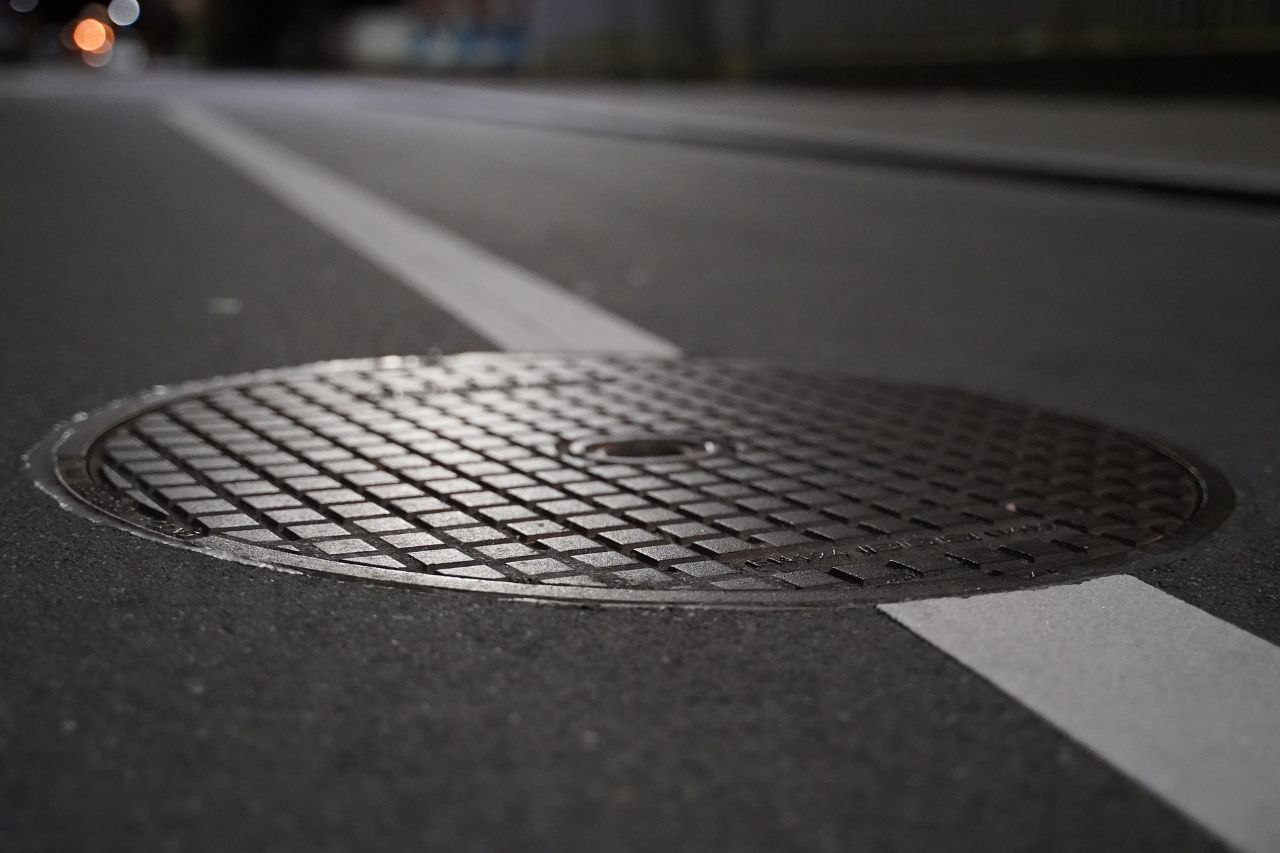
The Sewerage Tax in Cyprus is a mandatory local levy levied to finance the construction, operation, and maintenance of wastewater collection and treatment systems. This tax is paid by all property owners connected to the municipal sewerage network or located within its service area. The tax is established and administered by local sewerage boards, and the funds are used exclusively for the development of municipal infrastructure.
Contents
- 1 Legal basis and purpose of the tax
- 2 The purpose of the tax is to provide funding for the following areas:
- 3 Who is obliged to pay tax?
- 4 Sewerage Board Areas
- 5 How is tax calculated?
- 6 Calculation example
- 7 Notification procedure and payment terms
- 8 Features of accrual and changes
- 9 Benefits
- 10 Control and responsibility
- 11 The environmental role of tax
- 12 Recommendations for property owners
Legal basis and purpose of the tax
The sewerage tax is regulated by a special law, ” Sewerage Systems Law, Cap. 350,” adopted to establish an ecological wastewater treatment system at the municipal level. Each city or district council (for example, in Limassol, Larnaca, Paphos, Nicosia, Paralimni, and other localities) has its own jurisdiction and determines its own rates, calculation procedures, and payment schedule.
The purpose of the tax is to provide funding for the following areas:
- construction and operation of treatment facilities;
- maintenance of sewer networks;
- modernization of pumping stations;
- environmental control and prevention of groundwater pollution;
- construction of new sewer lines in areas with growing development.
The tax is not fixed and does not depend on the number of residents. It is calculated based on the property’s value and its location within the sewer system’s service area.
Who is obliged to pay tax?
All property owners located within the boundaries of the zone where the relevant Sewerage Board operates are required to pay the sewerage tax.
The main categories of payers include:
- owners of residential buildings and apartments;
- owners of commercial premises, offices, hotels, warehouses;
- owners of land plots located within the service area of the sewer network;
- developers in whose name the property is registered until the moment of its sale.
If the property is leased, the owner, not the tenant, is responsible for paying the tax. Exceptions are permitted only if otherwise specified in the lease agreement.
Sewerage Board Areas
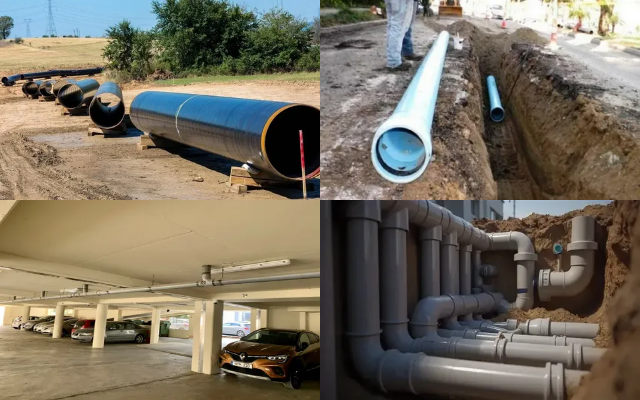
Cyprus has several independent municipal authorities that administer the tax in their respective districts. The largest of these are:
- Sewerage Board of Limassol-Amathus (SBLA) – serves Limassol and surrounding settlements;
- Sewerage Board of Larnaca (SBL) ;
- Sewerage Board of Nicosia (SBN) ;
- Sewerage Board of Paphos (SBP) ;
- Sewerage Board of Paralimni (SBPry) ;
- Sewerage Board of Ayia Napa (SBAN).
Each council sets its own rates and notifies property owners of the assessment amount annually.
How is tax calculated?
The tax amount is determined based on the assessed value of the property as registered with the Department of Lands and Surveys as of 1 January 2018.
Calculation formula:
Tax = Assessed Value x Sewerage Board Rate
The rate varies by municipality and ranges from 0.05% to 0.25% per annum. For example:
- in Limassol – about 12%,
- in Larnaca – 15%,
- in Paphos – 09%,
- in Nicosia – 13%,
- in Ayia Napa – 16%.
For land plots not connected to the sewer network, a reduced rate applies (usually 25–50% of the standard).
Calculation example
If the market value of the apartment, as assessed by the Land Department, is 200,000 euros, and the rate in the region is 0.12%, then the tax will be:
200,000 × 0.0012 = 240 euros per year.
The amount is specified in the notice sent to the property owner by mail or electronically.
Notification procedure and payment terms
Sewer tax assessment notices are sent annually between May and July, depending on the municipality. The letter specifies the amount, payment due date, and available payment methods.
You can pay the tax:
- through the online services of the Sewerage Board of the relevant city;
- in bank branches (Bank of Cyprus, Hellenic Bank, etc.);
- in the JCCSmart system ;
- at municipal cash desks.
The payment deadline is usually 1–2 months from the date of notification. Late payment will result in a 10% penalty and daily interest for long-term arrears.
Features of accrual and changes
If the property was acquired or sold within a year, the tax is calculated proportionally to the period of ownership. When transferring ownership to the Land Registry, the new owner is required to notify the Sewerage Board and register the property for accurate tax calculation.
In cases where a facility is located outside the service area, but connection to the grid is planned in the future, the tax may be assessed at a reduced rate to form an infrastructure construction fund.
For new buildings, the tax begins to be collected after the permit for connection to the sewer system has been issued.
Benefits
Certain categories of property owners may qualify for a partial tax exemption or a reduced rate. Benefits are available to:
- low-income pensioners;
- large families;
- charitable organizations and religious institutions;
- government agencies and schools.
To receive the benefit, you must submit an application to your local Sewerage Board, attaching documents confirming your eligibility for the benefit.
Control and responsibility
Failure to pay sewerage tax is considered an administrative violation. The debt can be collected through the courts, and when real estate is transferred, the debt remains with the property, not the former owner. This means the Land Department will not register the transaction until all utility taxes, including the Sewerage Tax, are paid.
The environmental role of tax
Funds from the tax are used exclusively for environmental and engineering projects. Thanks to the work of the sewerage boards, Cyprus has achieved a high level of wastewater treatment—over 90% is recycled and reused for agricultural irrigation.
The tax ensures the environmental development of the communal system and helps protect groundwater and coastal zones from pollution, which is key to preserving the island’s ecosystems.
Recommendations for property owners
- Check your annual tax assessment notices and don’t delay paying them.
- When purchasing real estate, check for any outstanding Sewerage Tax.
- If your address or ownership changes, please notify your local Sewerage Board.
- Use electronic payment services—it’s faster and helps you avoid fines.
The sewerage tax in Cyprus is an important element of the public utility system, ensuring environmental safety and comfortable living on the island. It is based on the principle of equitable participation by all property owners in the maintenance of the infrastructure, which determines the quality of the environment and the sustainable development of Cyprus.