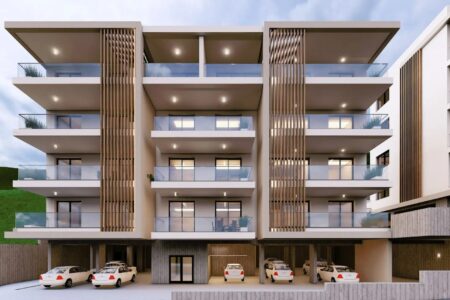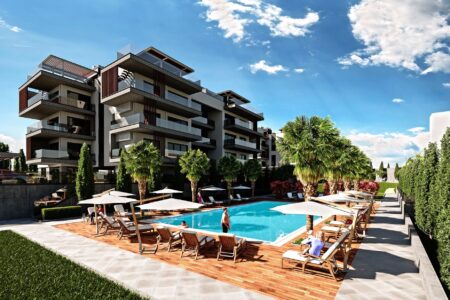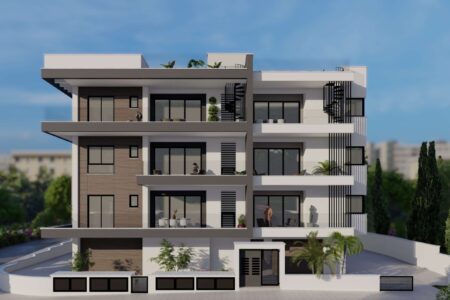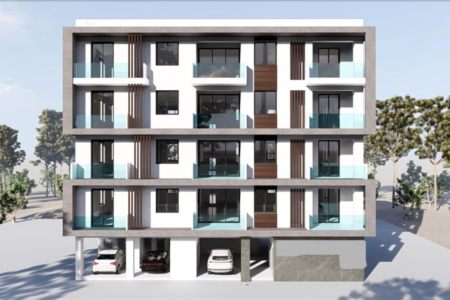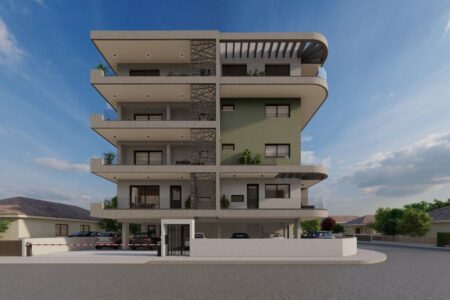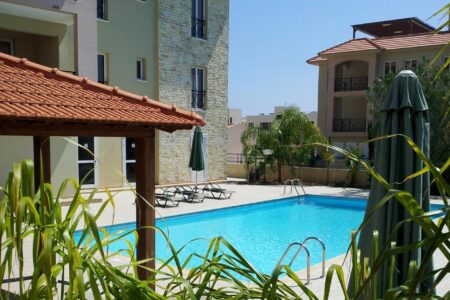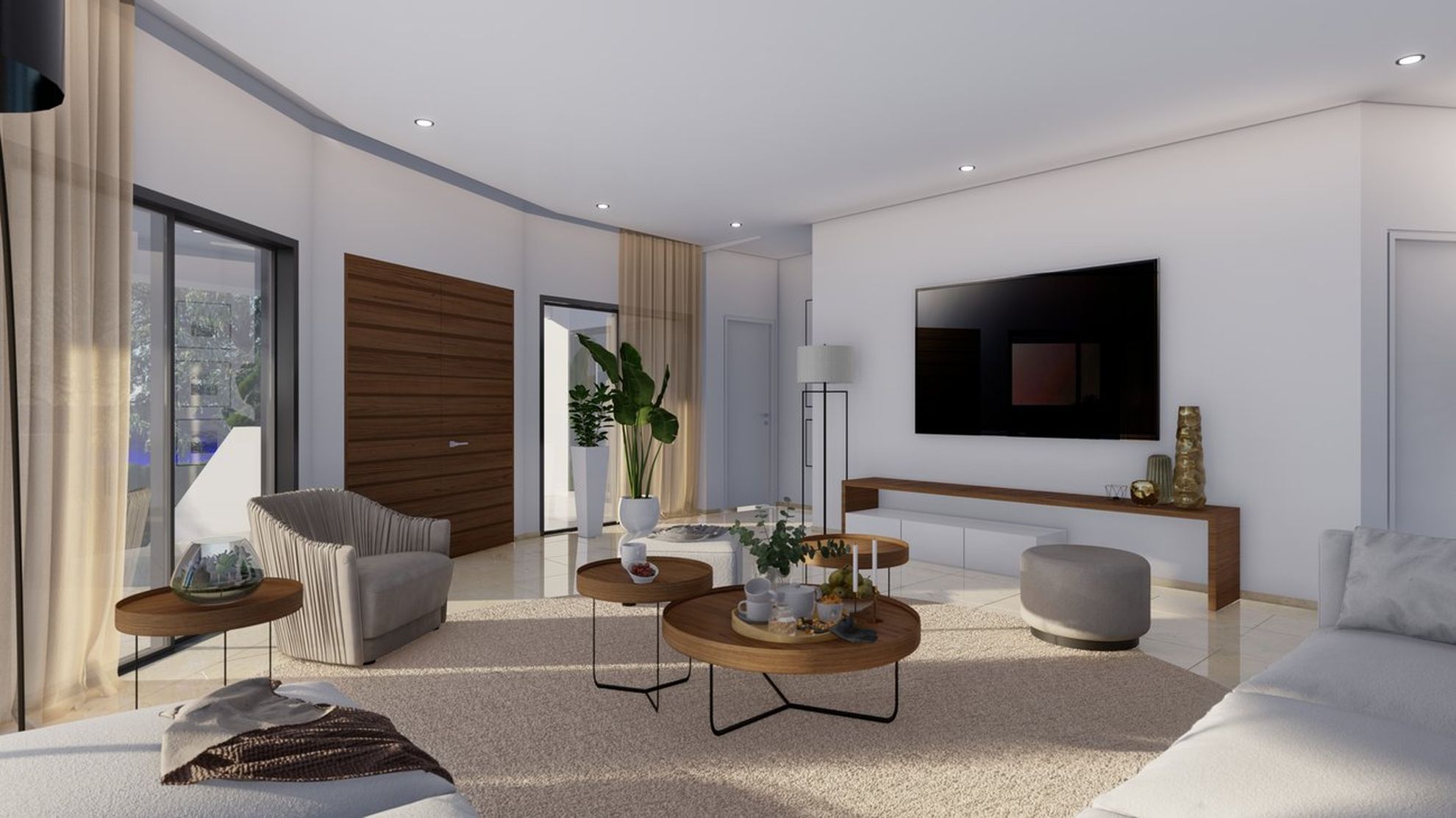
Sea Caves is more than just a geographical point on the map of Cyprus; it’s a symbol of absolute success and the highest social status. In 2026, this area, located west of Paphos near the Akamas National Park, finally cemented its reputation as the “Beverly Hills of Cyprus.” Unique geological formations, snow-white cliffs, and azure grottoes create the backdrop for the island’s most expensive and technologically advanced villas. Limited land supply and strict development regulations have transformed Sea Caves into a private club for the global elite.
Contents
- 1 Social Portrait: Who’s Choosing the Sea Caves in 2026?
- 2 Architectural Trends and Luxury Standards in 2026
- 3 Market indicators and location comparison
- 4 Investment potential and taxes in 2026
- 5 Location and Infrastructure: Life on the Edge of Akamas
- 6 Environmental responsibility and heritage preservation
- 7 FAQ: Frequently Asked Questions
Social Portrait: Who’s Choosing the Sea Caves in 2026?
In 2026, Sea Caves’s residents became even more international and upscale. People here don’t seek out loud parties or proximity to tourist promenades. The neighborhood’s core values are privacy and the concept of “quiet luxury.”
Key Property Owner Profiles
- Top management and owners of IT giants: With the development of Cyprus as a technology hub (Tech Island), Sea Caves has become the primary residence for the founders of international companies who have moved their headquarters to Paphos and Limassol.
- European aristocracy and ‘old money’: Families from the UK, Germany and Switzerland value Sea Caves for its proximity to the unspoilt Akamas nature and the absence of dense high-rise development.
- Sports and show business stars: High fences, spacious plots, and state-of-the-art security systems allow media personalities to enjoy their vacations away from the paparazzi.
- Wealthy investors from the Gulf and Asia: For this demographic, Sea Caves is a safe haven, a trophy property whose value is only rising in line with global inflation.
Architectural Trends and Luxury Standards in 2026
The Sea Caves villas, coming to market in 2026, are masterpieces of contemporary architecture integrated into the natural landscape. The developers have moved away from the classic Mediterranean style in favor of organic minimalism.
Innovations in construction
Buildings in this area will be constructed using the Zero Energy Building principle by 2026. This involves the use of geothermal heating and cooling systems that utilize the earth’s stable temperature to maintain the home’s microclimate. Glazing will be made of ultra-strong glass with UV and sea salt protection, which is critical for waterfront properties.
Villa interiors include specialised spaces such as climate-controlled wine tasting rooms , acoustically enhanced home cinemas, private spas with hammams and gyms overlooking the sunset over St George’s Bay.
Market indicators and location comparison
The entry price for the Sea Caves market in 2026 is the highest in the Paphos region. Land here is valued not only by area but also by the “quality of the view” and proximity to the protected coastline.
| Characteristic | Sea Caves | Coral Bay | Limassol Marina | Aphrodite Hills |
| Type of development | Individual villas | Hotels and villas | Apartments and villas | Resort villas |
| Min. property price (€) | 2,500,000 | 900,000 | 1,800,000 | 850,000 |
| Average plot size | 1,500 – 4,000 m² | 500 – 800 m² | 300 – 600 m² | 600 – 1,200 m² |
| Privacy | Extremely high | Average | Low (urban) | High |
| Price growth forecast (2026-2028) | 12 – 15% | 7 – 8% | 5 – 6% | 6 – 9% |
Investment potential and taxes in 2026
Purchasing a villa in Sea Caves in 2026 is considered a conservative investment with a high degree of capital protection. Due to the area’s status and proximity to the national park, the likelihood of dense development here is legally excluded.
Tax benefits for investors
- Permanent Residency Program: Upon purchasing new real estate for €300,000 or more, the investor and their family receive lifelong residency in Cyprus. In Sea Caves, virtually any property automatically qualifies for this requirement.
- Abolition of annual property tax: Cyprus will continue to have no annual property tax until 2026, significantly reducing the cost of owning an asset compared to France or Spain.
- Capital Gains Tax: When reselling a property, the tax is 20% of the net profit, although there are significant deductions (up to €85,430 per family) if the villa is used as a primary residence.
- Corporate Incentives: Non-Domicile property owners are exempt from worldwide dividend taxes for 17 years in 2026.
Location and Infrastructure: Life on the Edge of Akamas
In 2026, Sea Caves ceased to be an isolated community. The development of infrastructure in neighboring Pegeia and Coral Bay provided residents with everything they needed.
- Gastronomy: Within a 5-minute drive there are fine dining restaurants and authentic taverns such as Oniro By The Sea, which offers the best views of the Edro III shipwreck.
- Yachting: With the development of Paphos Marina, Sea Caves villa owners now have the opportunity to moor their yachts just 10 minutes from their home.
- Education: For families with children , TLC Private School and the International School of Paphos are available , providing education according to the British A-Level program.
- Active Holidays: Direct access to the Akamas trails allows for trekking, cycling and quad biking in one of Europe’s most pristine environments.
Environmental responsibility and heritage preservation
In 2026, construction at Sea Caves is paying special attention to preserving endemic flora. Many developers are incorporating mature olive and carob trees, some over 100 years old, into their landscaping. Lighting is being designed to avoid light pollution, which could disturb the sea turtles that nest on the nearby beaches of Lara Bay.
FAQ: Frequently Asked Questions
What is the real cost of a beachfront villa in 2026?
Prices for properties located directly on the cliff edge with unobstructed sea views start at €4,500,000. Second-line villas (200–300 meters from the water) can be purchased in 2026 for between €2,500,000 and €3,500,000. Exclusive estates with plots over 4,000 m² can cost over €10,000,000.
Is it difficult to get a building permit in Sea Caves?
Yes, this is one of the most strictly regulated areas of Cyprus. The building density here is extremely low—often no more than 10–15%. This ensures that your neighbor won’t build a massive structure that obscures the view. As of 2026, obtaining permits will take 12 to 18 months, so completed properties and projects under construction are in high demand.
Are there any soil erosion problems in the Sea Caves area?
The geological structure of Sea Caves consists of solid limestone rocks that are resistant to erosion. However, when designing the foundations of villas on the waterfront in 2026, a comprehensive geodetic survey is mandatory. Modern engineering solutions allow for the construction of safe structures even in close proximity to the caves.
Is this area suitable for year-round living?
Absolutely. Unlike purely tourist areas, Sea Caves is active year-round. Thanks to high-quality construction with insulation and heating systems, the houses are comfortable in winter. The availability of all necessary urban infrastructure in Peja (3-5 km away) makes life here comfortable in any season.
Is it possible to rent out such an expensive property?
The rental market in Sea Caves in 2026 is focused on the ultra-premium segment. Villas are rented for between €10,000 and €25,000 per week during the summer. Demand is driven by private events, high-profile weddings, and VIP vacations. Annual yields are around 4–5%, but the primary purchase motive remains appreciation in the property itself.