Amid a shortage of available development land in the centers of Limassol and Larnaca, investors are increasingly turning to the secondary market for renovation projects. Purchasing a tired property for extensive modernization (a fix-and-flip strategy) can yield returns exceeding those of new builds. However, Cyprus’s older housing stock presents unique engineering and legal challenges, from a lack of waterproofing to difficulties with redevelopment in listed buildings. A smart approach to renovation requires a balance between preserving authenticity and implementing modern energy efficiency standards.
Contents
Assessing Potential: Location vs. Condition
When choosing a property for renovation, location remains the primary factor. Old stone buildings in the historic center (Old Town) and apartments built in the 1980s and 1990s on the seafront are considered the most marketable. The primary value of such properties lies in their location, which cannot be replicated in new projects. When assessing the condition, it is important to distinguish between cosmetic defects and structural issues. If a building has serious cracks in the foundation or corrosion of the reinforcement in the reinforced concrete frame, the cost of restoration may exceed the cost of building a new home.
Energy modernization and government grants
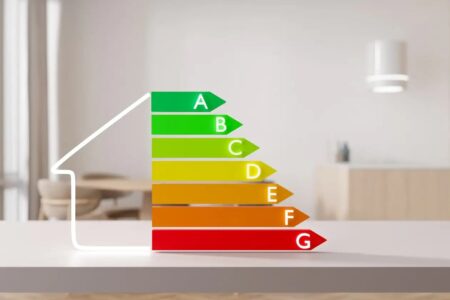
Cyprus, in line with the European Green Deal directives, actively subsidizes the extensive renovation of old housing. The “Exoikonomo” program allows owners to receive grants to cover up to 60-80% of energy efficiency improvement costs. Mandatory renovation requirements include:
- Thermal insulation of the roof and walls: use of modern materials (polystyrene foam or stone wool) with a thickness of at least 8–10 cm.
- Window replacement: installation of double or triple glazing with thermal break.
- Solar systems: installation of photovoltaic panels for electricity generation and new collectors for hot water. These measures not only upgrade the EPC rating to Category A but also significantly increase the property’s market value.
Technical Challenges: Combating Moisture and Salt
The main enemies of old buildings in Cyprus are inadequate foundation waterproofing and capillary dampness. Buildings built over 30 years ago often exhibit deteriorating plaster and peeling paint at the lower portions of walls. Renovations employ modern injection waterproofing methods or the installation of drainage systems around the building. It’s also important to consider the “salt factor” for buildings near the sea: the use of special anti-corrosion compounds to protect concrete is essential to ensure the durability of the renovation.
Legal aspects and obtaining permits
Any major renovation—demolishing walls, combining rooms, or changing the façade—requires a new planning permit. If the property is located in a Listed Buildings zone, the rules are even stricter: the owner is required to preserve the original façade and use traditional materials. An advantage of renovating listed properties is the ability to sell the development coefficient (Transfer of Development Rights). If you don’t use the full permitted building volume on your site, you can sell the “extra” square meters to developers in other areas, which often fully recoups the renovation costs.
Budgeting: Hidden Costs and VAT
The cost of major renovations in Cyprus ranges from €800 to €1,500 per square meter, depending on the level of finish. A 15-20% reserve should be included in the budget for unforeseen expenses that inevitably arise when removing floors and walls in older homes (for example, replacing worn wiring, rotten pipes, or reinforcing ceilings).
Renovation as an investment strategy
A renovated property in the old city center possesses a unique charm that is highly prized in the short-term rental segment (Airbnb). Tourists increasingly prefer authentic homes with modern interiors to bland new buildings. Furthermore, capitalization of such properties occurs more quickly: you buy the property at a price “below market” due to its condition, and after renovation, you sell it as an exclusive product. A thorough technical audit before purchase and the involvement of an architect specializing in working with old structures are the key to ensuring that a renovation project becomes a successful business rather than a never-ending process of capital absorption.