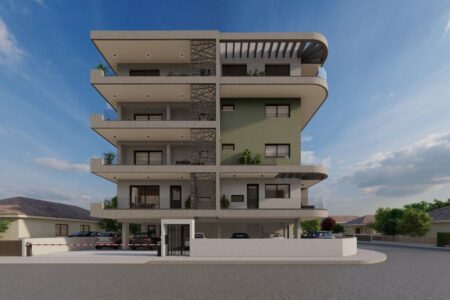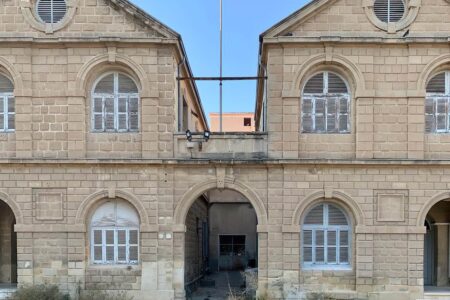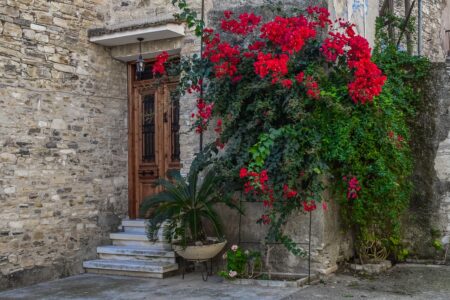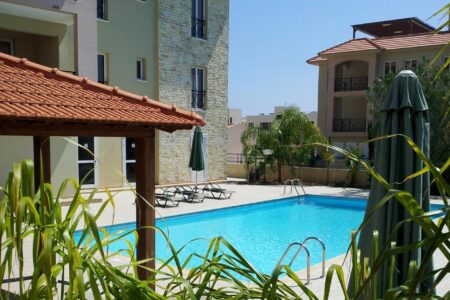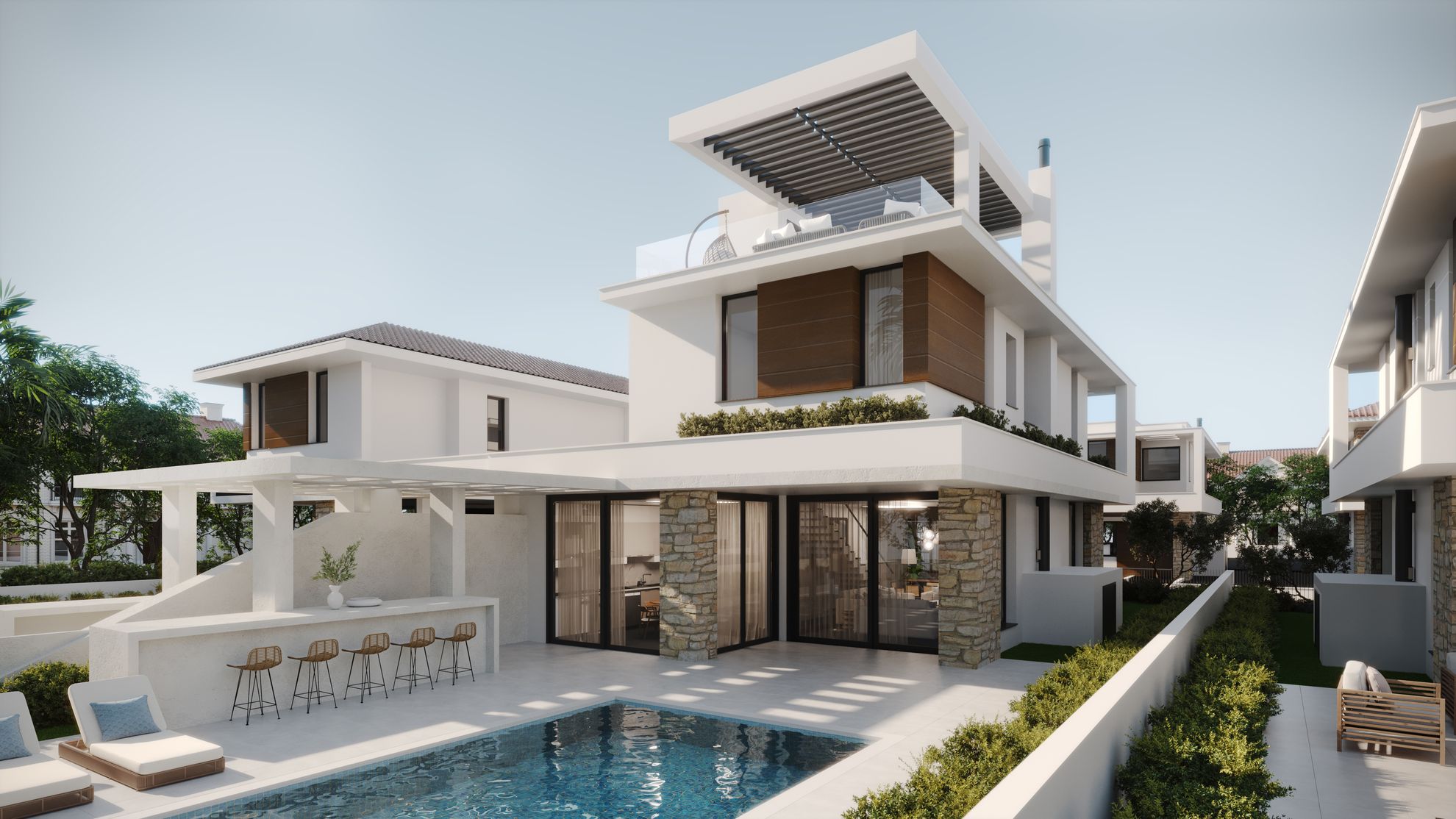
The village of Pyla, located in the suburbs of Larnaca, is one of the most unique settlements not only in Cyprus but also in the entire European Union. It is the only place on the island where Greek Cypriots and Turkish Cypriots continue to live side by side within a single community under the auspices of the United Nations. In 2026, amid political stabilization and the implementation of new infrastructure agreements, Pyla has become an investment magnet for those seeking a balance between affordable land and a strategic location near the sea and an international university.
Unique administrative and legal status
Pyla is located within the UN buffer zone (the “Green Line”) dividing the island. However, unlike the abandoned areas, it is a vibrant and actively developing village. In 2026, its status is characterized by the following features:
- Dual Jurisdiction: Despite the presence of UN peacekeepers (UNFICYP), the village is governed by the authorities of the Republic of Cyprus. Republic laws apply, and Cypriot courts and police operate there.
- Security and Control: The permanent presence of the UN contingent makes this area one of the safest on the island. Law enforcement incidents are minimal.
- 2023 Agreement: The implementation of the agreements on the construction of the Pyla-Arsos road by 2026 completely relieved tensions in the region, opening up new lands for civil and commercial development.
For a foreign investor, this status means that purchasing real estate in Pyla is governed by standard Cyprus law, but requires a more in-depth analysis of the land’s ownership history.
Land Ownership and Title Verification
The key risk and opportunity in Pyla lies in the origin of property rights. In 2026, land in the village is divided into three categories:
Category 1: Greek Property
Land owned by Greek Cypriots prior to 1974. Transactions involving such property are completely transparent and secure. The title deed is transferred to the buyer through the Larnaca Land Department without any restrictions.
Category 2: Turkish Property (T/C Property)
Land owned by Turkish Cypriots. According to the laws of the Republic of Cyprus, such property is under the guardianship of the Custodian of Turkish Property (the Ministry of the Interior). Selling such land to foreigners in 2026 is virtually impossible or fraught with enormous legal risks.
Category 3: Exchange Land
Land whose ownership was legally transferred as part of compensation procedures. In 2026, such plots are often found in new residential projects around UCLan Cyprus.
Investment potential of Pila in 2026
Today, Pyla is not only a historical centre, but also a vast coastal area (Pyla Tourist Area) and a modern university town.
Educational cluster
The presence of UCLan Cyprus (a British university) has created a stable demand for rentals among students and faculty. In 2026, rental yields for studios and apartments in Pyla reached 7-9% per annum, higher than the Limassol average.
Coastal development
The coastal area of Pyla adjoins the Oroklini district. It is home to international chain hotels and luxury residential complexes. In 2026, housing prices here are 15-20% lower than in central Larnaca, while maintaining similar construction quality and proximity to Blue Flag beaches.
Compare Property Types in Pyla (2026)
To choose the optimal investment strategy, it is necessary to understand the difference between the Upper Pilo (village) and the coastal zone.
| Characteristic | Pyla Village | Pyla Tourist Area (Shore) |
| Main type of development | Cottages, townhouses, student units | Hotels, luxury apartments, villas |
| Target audience | Students, expats, locals | Tourists, investors seeking permanent residence |
| Average price per square meter | 2,300 € – 2,800 € | 3,500 € – 4,800 € |
| Distance from the sea | 3–5 km | 0–500 m |
| Price growth potential | High (due to campus expansion) | Stable (due to the shortage of land near the sea) |
Legal Due Diligence for Purchasing in Pila
Given the buffer zone status, buyers are advised to follow a strict inspection protocol in 2026:
- Search Certificate Check: It is necessary to ensure that the plot is not encumbered by any claims from the Property Committee or the Custodian of Turkish Property.
- Zoning and Permits: Pyla has specific building height restrictions established by the Department of Urban Development in coordination with the UN for specific visibility zones. By 2026, it is important to check for a “Final Completion Certificate” for completed buildings.
- Access to infrastructure: Some areas in the buffer zone may have restrictions on the installation of new utilities. Confirmation from the municipality regarding the possibility of connecting to the electricity grid (EAC) and water supply is required.
Infrastructure and quality of life in 2026
In 2026, Pyla was a self-sufficient region. Two councils ( Greek and Turkish) function here, providing a unique cultural environment. The village boasts schools, sports centers, and medical clinics.
Of particular importance is the proximity to the Larnaca Free Economic Zone and the new technology park, which attracts IT professionals to Pyla. A direct highway allows access to Larnaca city center in 15 minutes, and Ayia Napa in 20 minutes.
FAQ: Frequently Asked Questions
Is it safe to buy property in the UN zone if the conflict escalates?
In 2026, Pyla’s status is protected by international agreements and the presence of UNFICYP. For the past 50 years, property rights in Pyla, registered in the Republic of Cyprus, have not been subject to review. The village’s status as a “model of coexistence” makes it the least likely epicenter of conflict.
Do you need special permission from the UN to buy a house in Pyla?
No, foreign citizens only require a standard permit from the Council of Ministers of Cyprus to acquire real estate. The UN does not interfere with civil purchase and sale transactions.
Is it possible to obtain permanent residence in Cyprus by investing in real estate in Pyla?
Yes, if the property is new (from the developer) and its value is at least €300,000 plus VAT. Pila is fully eligible for the government’s immigration-by-investment program.
What are the property taxes in Pyla in 2026?
Pyla applies standard taxes of the Republic of Cyprus: the Transfer Fee and VAT (19% or a reduced 5% for first-time homes). The annual municipal tax in Pyla is traditionally lower than in Larnaca city limits.
Are there any restrictions on renting out housing in the buffer zone?
There are no restrictions. You can rent out your home both long-term (for example, to UCLan students) and short-term through platforms like Airbnb. By 2026, demand for short-term rentals in the Pyla coastal area is expected to grow steadily by 10% annually.