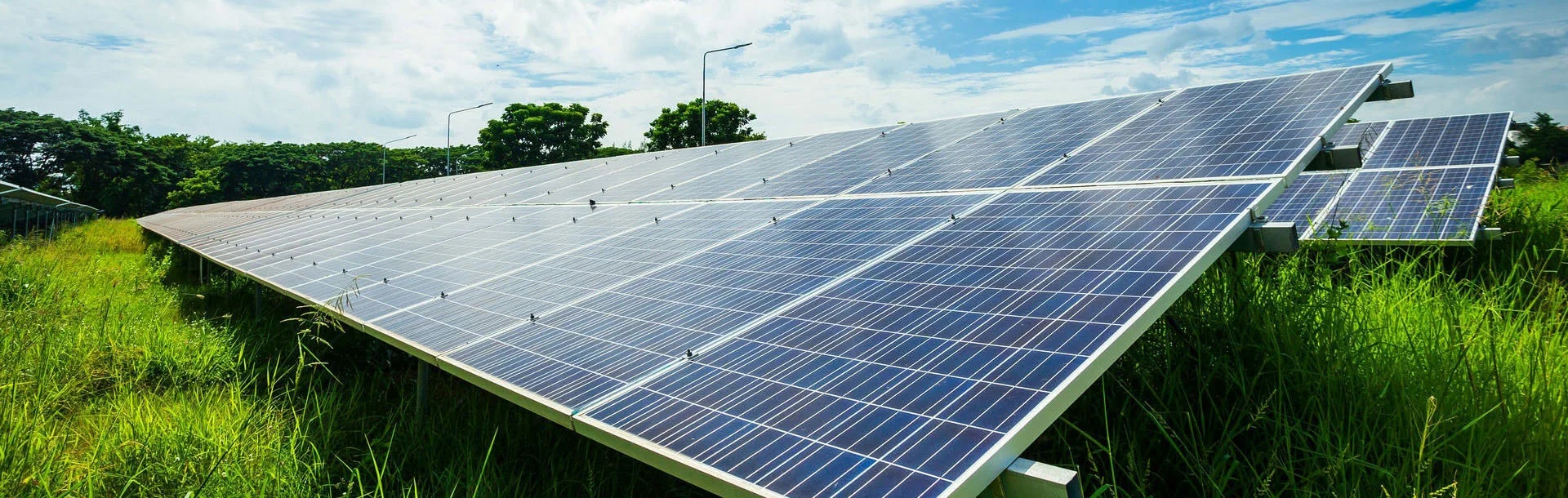
The energy landscape of Cyprus in 2026 has undergone fundamental changes. On January 1, 2026, the government officially closed applications for the popular Net Metering scheme, replacing it with a more flexible, yet technically demanding, Net Billing system. For investors and homeowners, this represents a paradigm shift: the focus has now shifted from simply generating electricity into the grid to maximizing self-consumption and the use of energy storage systems (batteries). With the market price of electricity in 2026 fluctuating between €0.35 and €0.42 per kWh, installing solar PV systems remains the most effective way to reduce property operating costs.
Contents
New rules for 2026: from net metering to net billing
The transition to a net billing system was driven by the need to stabilize Cyprus’s national power grid. Unlike the old system, where excess energy was “stored” in the grid as kWh, the new model operates on market principles.
With net billing, the energy consumed immediately from the panels costs the owner €0. However, any surplus energy exported to the grid is purchased by the state-owned energy supplier (EAC) at the wholesale market price, which is significantly lower than the retail tariff. Meanwhile, if the owner’s own solar power is insufficient, they purchase electricity from the grid at full retail price. It is this price gap that has made the installation of battery storage mandatory for ensuring high system profitability in 2026.
State Grants 2026: Terms and Categories
The Renewable Energy and Energy Conservation Fund (RES and Energy Conservation Fund) launched an updated subsidy program in 2026. The key change was the introduction of a mandatory component—battery storage—to maximize government funding.
Main categories of subsidies in 2026
- Category A1 (General): This program is intended for owners of existing residential buildings. In 2026, the subsidy will be €375 per installed kW of photovoltaic system capacity, up to a maximum of €1,500 per application. When integrating a battery with a capacity of at least 5 kWh, the investor will receive an additional grant of €750–€1,000 for the storage system.
- Category A2 (Vulnerable groups): The grant amount is significantly higher and can cover up to 80% of the installation cost, reaching €1,000 per 1 kW of power (maximum €5,000).
- “PV for All” 2026 (Successor): A successor to the 2024 program, allowing installation of a system with no upfront investment. The cost of the equipment is repaid through monthly payments through electricity bills, with the government subsidizing the interest rate.
Net Metering and Net Billing Comparison in 2026
| Parameter | Net Metering System (until 2026) | Net Billing + Battery system ( from 2026) |
| Accounting for excess energy | Offsetting kWh (1 to 1) | Selling at wholesale price / Buying at retail price |
| Batteries | Not required | Required to receive a grant |
| Efficiency | High at any consumption | Maximum self-consumption 80%+ |
| Payback period | 3-5 years | 4 – 6 years (including battery grant) |
| Grant amount (basic) | Up to 1,500 euros | Up to 2,500 euros (panels + battery) |
Technical requirements for obtaining a subsidy
For a grant application to be approved in 2026, the equipment and installation process must meet strict quality criteria:
- System capacity: For residential buildings, the limit is 10.4 kW.
- Certification: All components (panels, inverters, batteries) must be included in the RES Fund approved equipment list.
- Licensing: Installation may only be carried out by a certified contractor registered with the Ministry of Energy.
- Building age: Grants are available for buildings with planning permission received before January 1, 2017 (or until 2023 for some schemes). New homes built in 2026 are required by law to have PV systems, so direct grants are often not available to them.
Step-by-step procedure for applying for a grant
The application process for 2026 will be fully digitalised and will be carried out through the RES Foundation portal.
1. Preliminary technical audit
Contact a licensed company for a roof assessment and calculation of the required power. In 2026, it’s important to consider your consumption profile (electric vehicle, pool heating system) to determine the optimal battery size.
2. Obtaining permission from the EAC (AHK)
Your contractor submits an application to the Electricity Authority of Cyprus (EAC) to connect the system to the grid. In 2026, the review period will be approximately 20–30 days thanks to automated processes.
3. Submitting an electronic grant application
After receiving approval from the EAC, you can apply for a subsidy through resecfund.org.cy. You will need scanned copies of your passport, title deed, and most recent electricity bill. In 2026, the system will require proof of a smart meter.
4. Installation and inspection
After installing the system, the contractor notifies the EAC. The inspector verifies the system’s compliance with safety regulations and activates Net Billing mode.
5. Grant payment
After final approval in the portal system, the grant amount is transferred to your bank account (IBAN). In 2026, the average payment period after installation is 2-4 months.
Financial benefits and taxes
In addition to direct grants, the Cyprus government is maintaining additional tax incentives for green energy in 2026.
- 5% VAT: The preferential 5% VAT rate, instead of the standard 19%, continues to apply to the installation of photovoltaic systems for primary residences. This applies to both equipment and installation work.
- Zero tax on export income: Income generated from selling surplus energy to the grid under Net Billing is not subject to income tax for individuals.
- Property Capitalization: Having a solar PV system with batteries increases the market value of a villa or apartment by 7-10% in 2026, as energy efficiency class A becomes a critical factor in resale.
FAQ: Frequently Asked Questions
Can I get a grant if I live in an apartment building?
The Virtual Net Billing scheme will be operational in 2026. You can invest in a share in a remote solar park, and the energy produced will be deducted from your apartment’s electricity bill. Partial grants are also available for such investments as part of the Urban Community Support Program.
What is the lifespan of batteries installed in 2026?
Modern lithium iron phosphate (LiFePO4) batteries, certified for grants in Cyprus, have a service life of 10–15 years, or approximately 6,000–8,000 charge-discharge cycles. Most manufacturers provide a 10-year warranty, which fully covers the system’s payback period.
Is it possible to expand the old Net Metering system and get a grant?
If you decide to expand the capacity of an existing system installed before 2026, you will be required to transition to net billing for all generation. A grant for expansion is only available if you install batteries that meet the new capacity standards.
Is a grant required to install panels on commercial property?
Separate programs for businesses will be available through the Ministry of Trade and Industry in 2026. Subsidies can cover up to 40% of the cost of large systems (20 kW and above) as part of a program to improve enterprise competitiveness and decarbonize the economy.
What happens if I sell my home before receiving my grant payment?
Eligibility for the grant is tied to the owner who incurred the costs and submitted the application. If the property is sold, the process can be transferred to the new owner; however, this requires a formal agreement and notification to the RES Fund prior to the actual disbursement of funds. In 2026, it is recommended to complete the subsidy process before the sale and purchase transaction is finalized.