Paphos is traditionally considered the most “European” city in Cyprus, combining a rich UNESCO historical heritage, developed infrastructure, and a unique natural landscape. The island’s west coast has been a priority destination for British and Northern European citizens for decades, creating a unique cultural and economic environment. Unlike the dynamic and bustling Limassol, Paphos offers a more relaxed pace of life while retaining all the advantages of a modern city, including an international airport, private clinics, and prestigious schools.
Contents
Cultural code and British influence
Cyprus’s historical ties to Great Britain are most clearly evident in Paphos. The island’s largest community of British expats formed here, which has had a colossal impact on the development of the service, healthcare, and real estate industries. For foreign investors or those planning a move, this means no language barrier: English is spoken everywhere, from government agencies to small village taverns. The British brought high service standards and a culture of upkeep to the region, making local real estate more predictable and understandable for European buyers.
The region’s infrastructure is fully adapted to the needs of the international community. Paphos is home to some of the island’s best English-language schools, such as the International School of Paphos (ISOP) and Aspire, attracting not only retirees but also young families working remotely. Direct flights to dozens of European cities via Paphos International Airport make the region accessible and convenient for frequent flyers and property owners.
Natural advantages and climatic features
The west coast boasts a unique microclimate, considered the mildest on the island. Thanks to the proximity of the Troodos Mountains and the abundance of greenery, the humidity here is higher, and the summer heat is significantly more bearable than in the central regions or eastern Cyprus. Paphos is surrounded by protected areas, including the Akamas Peninsula, the island’s main natural gem. Being just a ten-minute drive from pristine beaches and wilderness is one of the key advantages valued by European buyers.
Paphos’s proximity to the sea combines with its hilly terrain. This allows developers to offer properties with panoramic sunset views from virtually any part of the city and surrounding villages, such as Tala, Peyia, and Chloraka. For investors, a sea view is the “gold standard,” guaranteeing stable property appreciation and high short-term rental demand.
Real Estate Market Analysis: Villas vs. Apartments
The Paphos market structure differs significantly from that of Limassol or Nicosia. Low-rise buildings and private villas predominate here. Paphos remains one of the few coastal areas where you can still buy a high-quality detached house with a private garden and pool for the price of a two-bedroom apartment in Limassol. This makes the region ideal for those seeking space and privacy.
Property prices in Paphos are showing steady but healthy growth, with no signs of a bubble. The secondary market in the Kato Paphos and Universal areas is extremely active, driven by rental demand among tourists. Meanwhile, the primary market is shifting toward the suburbs, where modern gated communities with well-developed internal infrastructure are being built. Prices per square meter remain competitive here, offering investors returns of 5-7% per annum for long-term rentals and up to 10% with proper management in the tourism segment.
Retirement programs and tax incentives
Cyprus offers one of the most attractive programs for foreign retirees in Europe, and Paphos is a key beneficiary of this policy. Those receiving pension payments from abroad can take advantage of a preferential tax regime, with the tax rate on foreign pensions being just 5% for amounts exceeding €3,420 per year. This, coupled with a low crime rate and high-quality private healthcare (including the GESI system), makes Paphos an ideal place to retire.
For those planning to obtain permanent residency, Paphos offers a wide selection of properties meeting the minimum investment threshold of €300,000 plus VAT. The fast-track program for obtaining permanent residency (Regulation 6.2) is in high demand in this region, as the same amount in Paphos allows one to purchase a spacious home in a prestigious area, while in other major cities this amount would only be enough for a small apartment.
Investment potential and new educational hubs
For a long time, Paphos was considered solely a tourist and recreational region, but in recent years this has begun to change. Branches of major educational institutions, such as the American University of Beirut (AUB) and the Cyprus University of Technology (TEPAK), have opened in the city. The influx of students is creating a new layer of demand for housing—now not only seasonal but also year-round. This opens up new opportunities for investors specializing in student housing and studio apartments in the city center.
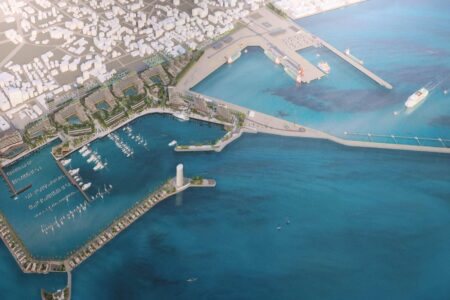
Infrastructure development continues: the construction of new road junctions connecting Paphos with Polis and the modernization of the Kato Paphos seafront are enhancing the region’s overall appeal. Western Cyprus retains its unique charm without becoming a concrete metropolis, which is its main competitive advantage. For investors, Paphos is an asset that combines stable European demand, a high quality of life, and growth potential driven by the limited supply of waterfront land and growing interest from digital nomads and international companies.