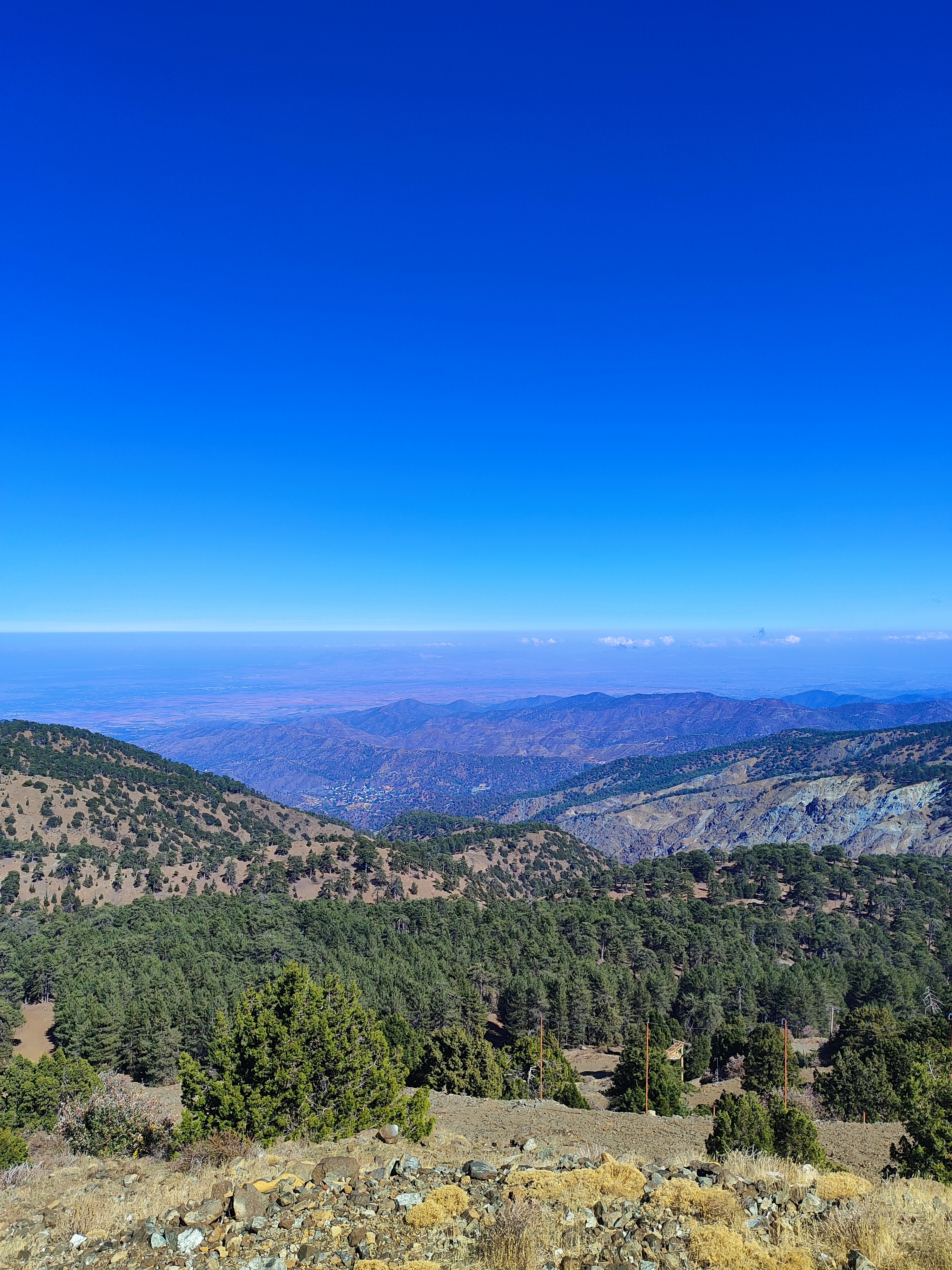
Mount Olympus, also known as Olympus or Chionistra, stands at 1,952 meters above sea level and is the highest mountain in Cyprus and is considered the island’s key natural landmark. Situated in the Troodos Mountains in the central part of the island, it attracts tourists with its unique landscapes, dense forests, and breathtaking panoramic views. Despite Cyprus’s hot Mediterranean climate, the summit is often covered in snow in winter, creating a striking contrast between the warm coastline and the cool slopes of the mountain range.
Contents
Geography and climate
Troodos mountain range, which covers a significant portion of the central, western, and southern parts of the island, attracting travelers with its unique natural conditions. Summers are cooler here than on the coast, sometimes by 10–15°C, making the mountain a popular summer destination for locals and tourists. In winter, snow covers the mountain’s summit from December to March, allowing for winter sports. Thanks to the altitude and diverse microclimates, rare plants and unique animals thrive on the slopes of Mount Olympus, including the famous Cyprus mouflon—wild mountain sheep native only to the island.
The slopes of Mount Olympus are divided into several climatic zones. The lower sections are covered in mixed forests dominated by black pine and juniper, while at altitudes of 1,500–1,900 meters, dwarf shrubs and endemic plants grow. This zone is characterized by stronger winds and lower temperatures, and in summer, morning fogs are common, creating picturesque landscapes.
How to get there?
The most convenient way to reach the base of the mountain is by car. The main ascent begins in the village of Troodos, located a few kilometers from the start of the main trails. Regular bus routes from cities such as Limassol and Nicosia lead to this central point in the mountain, and from there, trails lead to the summit. A paved road (F935) climbs close to the summit, but access to the summit itself is blocked by a military zone containing British and Cypriot radar stations. Hikers can climb almost to the summit by road and then continue on foot along the trails, enjoying the views and nature without violating the restrictions.
For the hike, wear comfortable shoes with good traction, a hat, sunscreen, and plenty of water. In winter, you’ll need warm clothing, gloves, and snow gear, especially if you plan to traverse snowy areas.
Main trails and routes
There are several popular hiking trails for exploring Mount Olympus and its surroundings, each offering a unique experience. They vary in length, difficulty, and terrain:
Artemis Trail
One of the most famous routes is the Artemis loop. The trail, which runs near the summit at an altitude of approximately 1,850 m (6,850 ft), is approximately 7–7.5 km long and typically takes 2–3 hours to complete. The trail winds through dense black pine forests and offers sweeping views of the mountains and surrounding valleys. The route is well-marked, suitable for hikers with moderate fitness, and requires no special skills.
Atalanti Trail
Another significant route is Atalanti The Trail is a longer loop trail, approximately 14 km long. It takes 4-5 hours to complete. The trail passes through various forested areas and offers numerous viewpoints over the surrounding area. It passes just below the main peak of Mount Olympus, allowing you to see the landscape from different angles. This route requires slightly more stamina, but the reward is spectacular views and a sense of oneness with nature.
Short walking routes and approaches
Beyond the main routes, there are numerous short approaches and trail combinations suitable for a couple of hours’ walks, allowing you to tailor your trip to a variety of fitness levels. Some of these are used as part of the European hiking route E4, which crosses the Troodos Mountains, connecting local trails into a single network.
Nature, flora and fauna
The forests of Mount Olympus are covered with black pine, juniper, and rare endemic species. In summer, the air is filled with the scent of pine needles and mountain herbs; in autumn, nature turns golden and red.
In winter, Olympus becomes a center of winter activities: ski slopes and lifts for beginners and experienced skiers operate, making it a unique destination for active winter recreation in the Mediterranean.
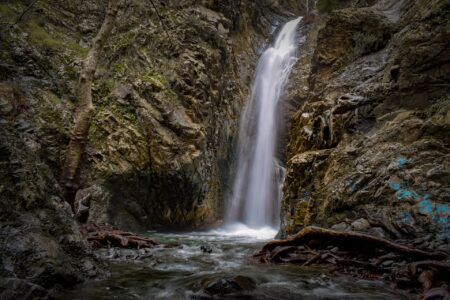
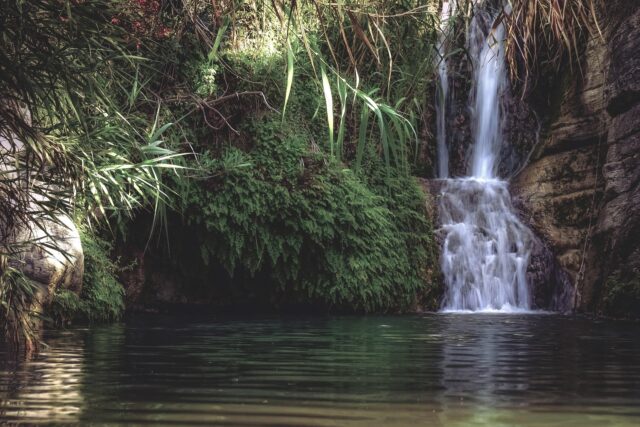
In spring, the trails are strewn with flowers, and rivers and streams fed by melting snow create picturesque waterfalls. For birdwatchers and wildlife enthusiasts, Mount Olympus offers unique opportunities: owls, falcons, and wild mouflon can be spotted here.
Tips for climbing
It’s recommended to set out on hikes early in the morning to avoid the midday heat in summer and enjoy the fresh air. Footwear should be comfortable and have a rigid sole, and on longer hikes, it’s a good idea to bring extra water and food, as well as navigational aids. When hiking long distances, be aware that weather conditions change with altitude: even in summer, at an altitude of around 1,950 m (6,200 ft), it can be significantly cooler than on the coast. Therefore, it’s essential to wear several layers of clothing and wind protection.
For those planning winter ascents, it’s important to check snow conditions, use trekking poles, and, if necessary, snowshoes. Medium-length trails are ideal for family outings, while longer trails are best for experienced hikers who want to spend the entire day on the mountain.
For a comfortable hike, it’s important to plan your route in advance, taking weather conditions and the season into account. Popular trails are marked with signs and maps, but navigation apps and a compass are also helpful. Mobile phone coverage is weak in some areas, so it’s a good idea to let someone know your route and estimated return time.
Panoramic views
Mount Olympus offers breathtaking views of the entire Troodos mountain range and, on a clear day, the coast. Morning and evening are particularly spectacular: the sun paints the forests and valleys in golden and pink hues. Panoramic platforms are located along the main routes, offering the opportunity to take photos and rest before continuing on.
Climbing the trails of Mount Olympus, tourists remark on the sense of solitude amid the forests and rocky slopes. For many, the hike to Mount Olympus is not just a physical challenge but also an aesthetic experience: observing the clouds, the sun, and the plants creates a complete immersion in nature.
Mount Olympus ( Olympus ) is not only the highest point in Cyprus but also a place where history, nature, and active recreation meet. It’s a place where nature, active recreation, and aesthetic pleasure intertwine. Forest trails, varied routes, panoramic views, flora, and fauna make climbing a unique experience for any tourist. Climbing here combines physical activity and aesthetic pleasure, allowing you to experience the unique flora, fauna, and climate of the Troodos Mountains .
Olympus is a symbol of Cypriot nature, a must-see for anyone who wants to experience the island’s true mountain atmosphere.