Contents
- 1 Historical roots of New Year’s customs
- 2 Preparing for the holiday and decorating houses
- 3 Celebrating the New Year with family
- 4 The role of Vasilopita and other symbols of the holiday
- 5 Festive cuisine and traditional dishes
- 6 Folk customs and city festivities
- 7 The spiritual meaning of the holiday
- 8 Gifts, greetings, and symbols of good luck
- 9 New Year’s traditions for tourists
- 10 Modern trends and preservation of traditions
Historical roots of New Year’s customs
New Year’s traditions in Cyprus were formed under the influence of Orthodox Christian culture, as well as taking into account local customs that date back to ancient and Byzantine times.
Historically, the New Year was considered a time of renewal, a symbol of the transition from the old to the new cycle, a time to cleanse the home and strengthen the family. In ancient times, New Year’s rituals in Cyprus were associated with natural cycles, veneration of ancestral spirits, and preparation for the agricultural season. With the arrival of Christianity on the island, these rituals were transformed and became combined with religious practices, such as church attendance and prayers for the health and well-being of the family.
Preparing for the holiday and decorating houses
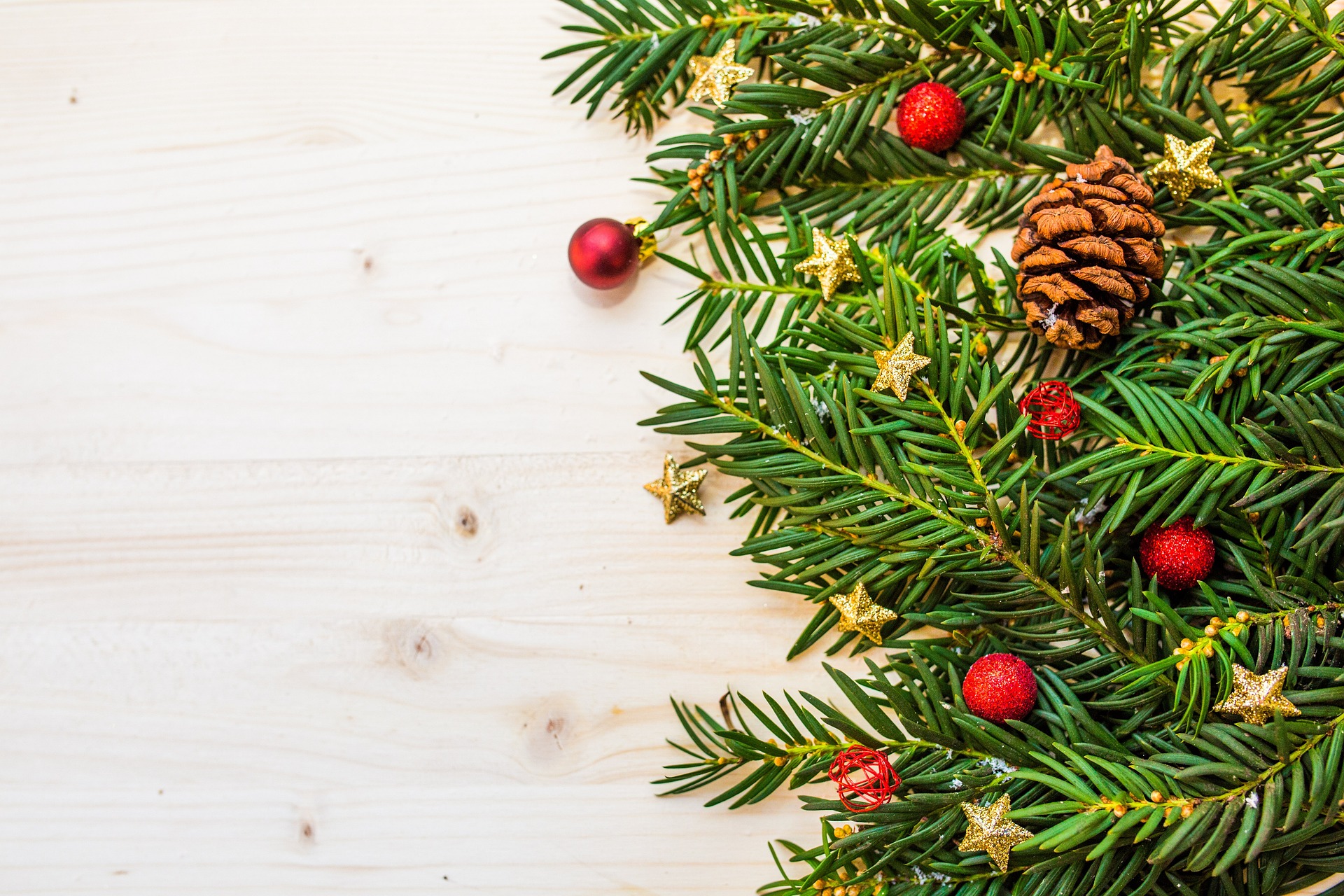
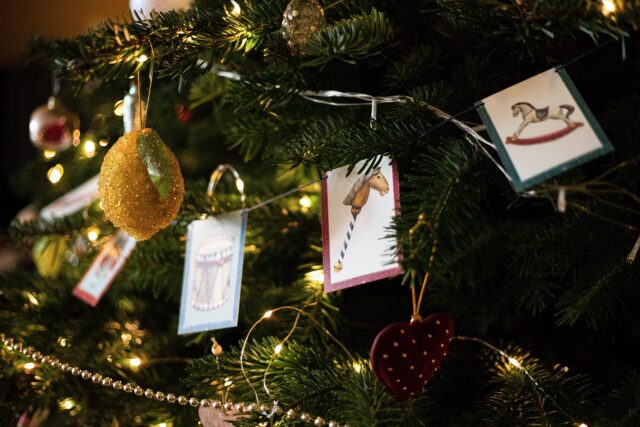
Preparations for the holiday begin long before December 31st. Residents decorate their homes with fir and pine branches, garlands, traditional Cypriot candles, and festive figurines. Light strings are hung in the windows, and festive arrangements with nuts, fruits, and candles are set on the tables. Particular attention is paid to the kitchen and table—sweets, pies, gingerbread, and traditional Cypriot dishes are prepared in advance. It was once believed that proper preparation for the New Year ensures health, wealth, and prosperity throughout the year.
Celebrating the New Year with family
The main celebration takes place at home with family. On the evening of December 31st, a festive dinner is held, featuring traditional Cypriot dishes such as roast meat, fish, vegetable side dishes, and freshly baked pastries. The centerpiece of the festive table is vasilopita —a New Year’s cake topped with a coin symbolizing good luck. Legend has it that whoever gets the piece with the coin will have good luck in the new year. That evening, families exchange gifts, congratulate each other, and create an atmosphere of joy and unity.
The role of Vasilopita and other symbols of the holiday
Vasilopita occupies a special place among Cypriot New Year’s traditions. The preparation of the cake is accompanied by certain rites and rituals, considered essential to attract prosperity and protect the home from harm. Besides the cake, candles, garlands, Christmas tree decorations, and aromatic herbs are important symbols of the holiday. In some areas of the island, it is a common tradition to burn aromatic herbs in the kitchen and living room to cleanse the home of evil spirits and attract good luck.
Festive cuisine and traditional dishes
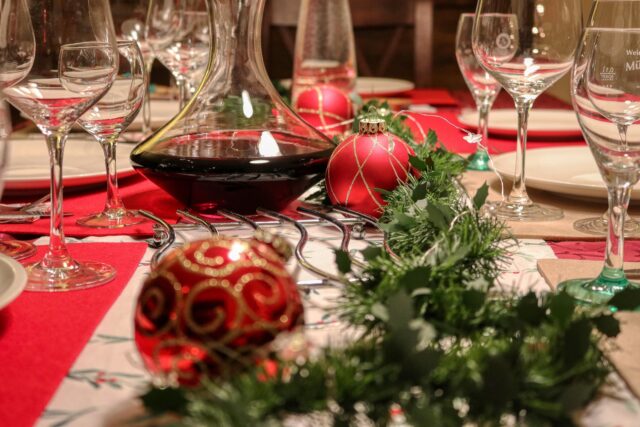
The New Year’s meal in Cyprus is distinguished by its variety and richness of flavors. Meat and fish dishes, vegetable salads, casseroles, and fresh pastries form the basis of the table. Sweet pastries—nut pies, honey gingerbread, rolls, and cookies—are especially prominent, served with Cypriot coffee and local wine. The presentation of dishes is accompanied by a festive table setting: bright napkins, fruit decorations, and candles create a festive atmosphere. Sharing a meal strengthens family ties and helps preserve national traditions.
Folk customs and city festivities
Villages retain more traditional forms of celebration: residents gather for evening festivities, perform carols, sing folk songs, and participate in communal games and dances. Young people participate in performances, skits, and competitions, helping to preserve cultural traditions and pass them on to the next generation. Cities host festive concerts, fairs, and fireworks displays, attracting residents and tourists alike, creating a festive atmosphere.
The spiritual meaning of the holiday
New Year’s traditions in Cyprus also include a spiritual aspect. Before New Year’s, many attend church, light candles, and pray for the health and well-being of family and friends. In the Orthodox tradition, the holiday symbolizes the purification of the soul, gratitude for the past year, and hope for a better future. Religious rituals complement secular observances, bringing families together and creating a harmonious atmosphere.
Gifts, greetings, and symbols of good luck
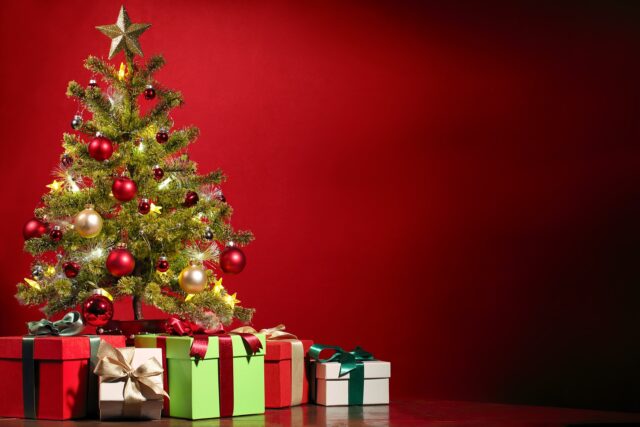
The exchange of gifts is an integral part of the holiday. Parents give their children sweets, toys, and books, while adults exchange symbolic souvenirs and cards. In Cyprus, it is a common tradition to give gifts to family and friends before midnight or immediately after the chimes of the clock. Traditional rituals with Vasilopita, candles, and aromatic herbs enhance the symbolism of good luck, happiness, and prosperity for the coming year.
New Year’s traditions for tourists
For tourists, the holiday in Cyprus is a fascinating cultural experience. Visitors to the island can observe family dinners, participate in city and village festivities, and attend concerts and fairs. Particularly appealing are the Vasilopita rituals, folk songs, and dances, which offer a unique insight into the island’s history and culture. Tourists note the unique blend of religious and secular traditions, as well as the hospitality of the locals, which creates a unique holiday atmosphere.
Modern trends and preservation of traditions
Today, New Year’s traditions in Cyprus combine ancient customs with modern elements. Major cities host light shows, holiday fairs, concerts, and fireworks displays, while villages preserve classic rituals such as Vasilopita, caroling, family dinners, and folk songs. Despite the influence of globalization, the island’s residents strive to maintain and pass on traditions to new generations, ensuring the preservation of their cultural and spiritual heritage.
New Year’s traditions in Cyprus represent a harmonious blend of familial, spiritual, and cultural aspects. From Vasilopita and the festive feast to folk rituals and city festivities, every element of the holiday symbolizes happiness, prosperity, and hope. Celebrating New Year’s on the island unites generations, strengthens family ties, and allows for a deeper understanding of the history, culture, and spiritual life of Cyprus. This holiday remains an important part of the national heritage, passed down from generation to generation, creating a unique atmosphere of joy, unity, and spiritual renewal.