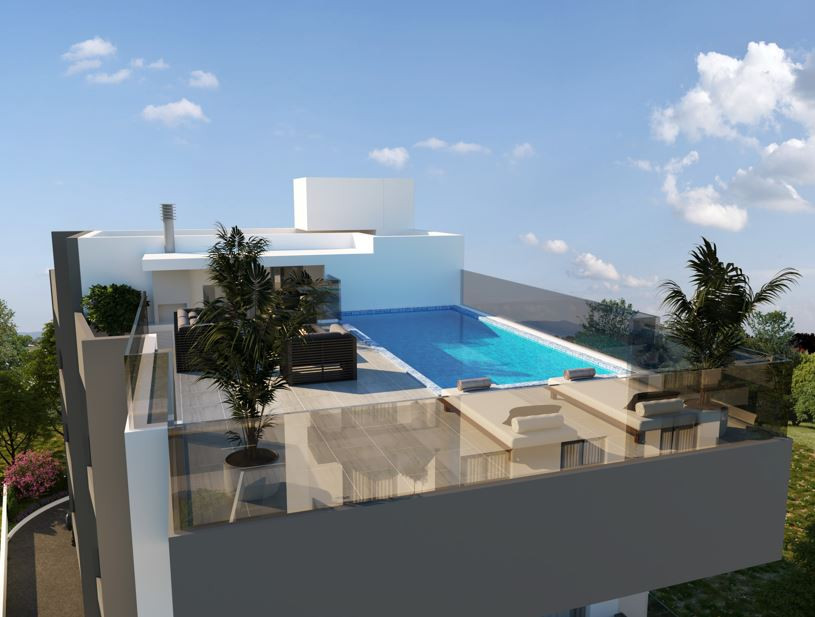
In 2026, a swimming pool in Cyprus was no longer just a reservoir of chlorinated water. Climate change, rising energy costs, and the global trend toward sustainability have transformed this element of real estate into a high-tech engineering system. Today, when designing premium villas in Limassol and Paphos, 85% of clients choose alternative disinfection methods and systems that allow for 12-month operation. A modern pool combines bionics, renewable energy, and digital controls, which not only enhances comfort but also increases the market value of the property by 10 to 15%.
Contents
Seawater and salt electrolysis: a new standard of hygiene
The traditional use of liquid chlorine is gradually becoming a thing of the past. In 2026, saltwater chlorination systems became the standard for private and public swimming pools in Cyprus. Instead of adding harsh chemicals, ordinary sea salt is added to the water. A special electrolytic cell breaks down the salt molecules, releasing free chlorine in concentrations 10 times lower than in conventional pools.
- Health benefits: The water in these pools is similar in composition to human tears. It doesn’t irritate the eyes, dry out the skin, or damage the hair. This is critical for families with children and those with sensitive skin.
- Economic benefit: Although the installation of an electrolysis system costs 1,200 – 2,500 euros more than a standard one, it pays for itself in 2 or 3 years due to the absence of the need to constantly purchase expensive chemicals.
- Automation: Modern systems from 2026 automatically measure the salt level and produce exactly the amount of reagent needed at any given moment, taking into account the water temperature and the number of bathers.
Bio-pools and natural filtration: the eco-trend of 2026
For those who value total eco-friendliness, the natural swimming pool niche is rapidly developing in Cyprus. These systems purify water without a single gram of chemicals. Instead, they use a “living filter”—a regeneration zone with specific plant species and layers of gravel through which the water circulates.
Biological purification mimics the natural processes found in natural bodies of water. Bacteria living in plant roots break down organic waste, leaving the water crystal clear. In 2026, hybrid models gained popularity: the main swimming pool resembles a modern, minimalist pool, while the biofiltration zone is hidden or designed as a decorative garden feature. These pools require 50% less long-term maintenance, as they eliminate the need for filter element replacement and chemical balancing.
Inverter heating and solar energy: a 365-day season
The Cypriot sun allows comfortable swimming without heating only from June to October. To extend this period year-round, combined systems have been in use since 2026. Inverter heat pumps operating in conjunction with evacuated tube solar collectors have become the market leader.
- Inverter heat pumps: Unlike older models, they don’t operate at a constant power level, but instead smoothly adjust to the outside temperature. This reduces electricity consumption by 60 to 80%. At an outside temperature of 15°C, such a pump can maintain water at 28°C, consuming minimal energy.
- Solar heating panels: Special black mats or glass tubes on the roof of a house heat water directly using solar energy. By 2026, such systems had become so efficient that they could provide 100% heating in the spring and fall months, completely free of charge.
- Automatic thermal covers: Using a “liquid blanket” or automatic polycarbonate roller covers allows you to retain up to 90% of the heat accumulated during the day at night. This is a must for an energy-efficient pool.
Digital control and artificial intelligence
In 2026, the pool will be fully integrated into the smart home ecosystem. Special sensors analyze 15 water parameters in real time and transmit the data to the owner’s smartphone. Artificial intelligence systems can predict algae blooms 48 hours before they become visible to the human eye and automatically adjust filtration cycles.
The latest generation of robotic vacuum cleaners are cordless and powered by their own batteries, charging in special underwater docking stations. They not only clean the bottom and walls of the water but also filter the surface layer of the water, removing Saharan dust, a common problem in Cyprus.
Cost and return on investment
In 2026, building a next-generation pool costs between €25,000 and €45,000, depending on the size and options selected. While the initial investment is 20% to 30% higher than traditional options, these properties offer exceptional liquidity. In the rental market, a villa with a “heated seawater pool” is rented 40% more often between October and May, providing owners with a stable income during the off-season. In 2026, a technologically advanced pool is not a luxury, but a well-designed engineering solution that transforms a water area into a safe, economical, and aesthetically pleasing living space.