Choosing between a brand-new property from a developer and a property from an owner in Cyprus in 2026 is not only a matter of aesthetics but also a serious financial calculation. The main difference lies in the tax burden and subsequent operating costs. As Cyprus actively implements EU green standards, the gap between new and existing buildings is becoming increasingly noticeable. In this article, we compare both options based on key parameters relevant for the current year.
Contents
Tax burden: VAT vs. Transfer fee
The main financial difference is the type of tax paid upon purchase.
New buildings
When you purchase a new property, you pay VAT. In 2026, the standard rate is 19%, but a reduced rate of 5% applies to first homes up to 130 square meters (with a total area of up to 190 square meters) and priced up to €475,000. A key benefit: buyers of new properties with VAT are completely exempt from transfer fees.
Secondary market
VAT is not paid here, but a Transfer Fee is required upon title deed registration. Although the 50% discount remains in effect in 2026, the progressive rate (3%, 5%, and 8% depending on the amount) can be significant for expensive properties.
Energy efficiency and cost of maintenance
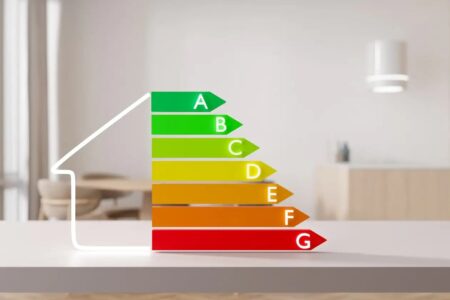
In 2026, energy efficiency became a determining factor in market value. According to EU directives, all new buildings in Cyprus must be built to Class A standards, which includes solar panels, thermal insulation, and modern climate control systems.
New buildings
They consume 40-60% less electricity. This is critical during the summer months, when air conditioning costs in older homes can be significant.
Secondary market
Properties older than 10–15 years are often rated as Class C or D. By 2026, such buildings may require costly upgrades to comply with new environmental regulations. However, when purchasing an older property, you have the opportunity to renovate it to your liking using modern materials.
Legal nuances and title deeds
The issue of ownership remains key to the security of the transaction.
Secondary market
The main advantage is the availability of a ready-made individual title deed. You become the full owner upon closing. This eliminates the risks associated with unfinished construction or the developer’s bankruptcy.
New buildings
They are often sold during the construction phase or immediately after completion, while individual title deeds are still being issued (which can take 1–2 years). During this period, your property is protected by the deed deposited with the Land Registry. This mechanism was streamlined in 2026, but it still requires greater trust in the developer’s reputation.
Readiness for occupancy and rental potential
If your goal is an immediate move or income, the resale market offers the advantage of speed. You can see the property’s actual condition, neighbors, and existing infrastructure. New developments, on the other hand, offer a “new look,” which is highly sought after by premium tenants (IT professionals and expats) willing to pay a premium for modern design, on-site gyms, and smart technology.
When purchasing existing housing in 2026, it’s essential to budget for a technical audit. Roof waterproofing issues or corroded reinforcement in coastal areas are common problems in older properties in Cyprus. New builds come with a developer warranty on structural elements (usually up to 10 years) and interior finishes (1-2 years), giving buyers additional peace of mind and predictability of costs for the next decade.