The Cypriot construction industry has historically relied on wet construction: monolithic reinforced concrete frames and brick infill are considered the unshakable standard of reliability. However, in 2026, amid rising labor and material costs, the market began actively testing alternative technologies. Modular (prefabricated) and steel/timber frame houses are no longer perceived as temporary structures and have taken over the niche of rapid development. For investors and private clients, the choice between concrete and prefabricated construction becomes a matter of priorities: time or traditional liquidity.
Contents
Technological Shift: Why Prefabs Are Growing in Popularity
Speed has become the main driver of interest in modular homes. The traditional construction cycle for a villa in Cyprus takes 14 to 18 months, assuming no delays in concrete deliveries or weather conditions. Frame construction technology allows for a turnkey construction time of 4–6 months. With rental rates rising, the ability to move in or rent out a property a year early becomes a compelling financial incentive.
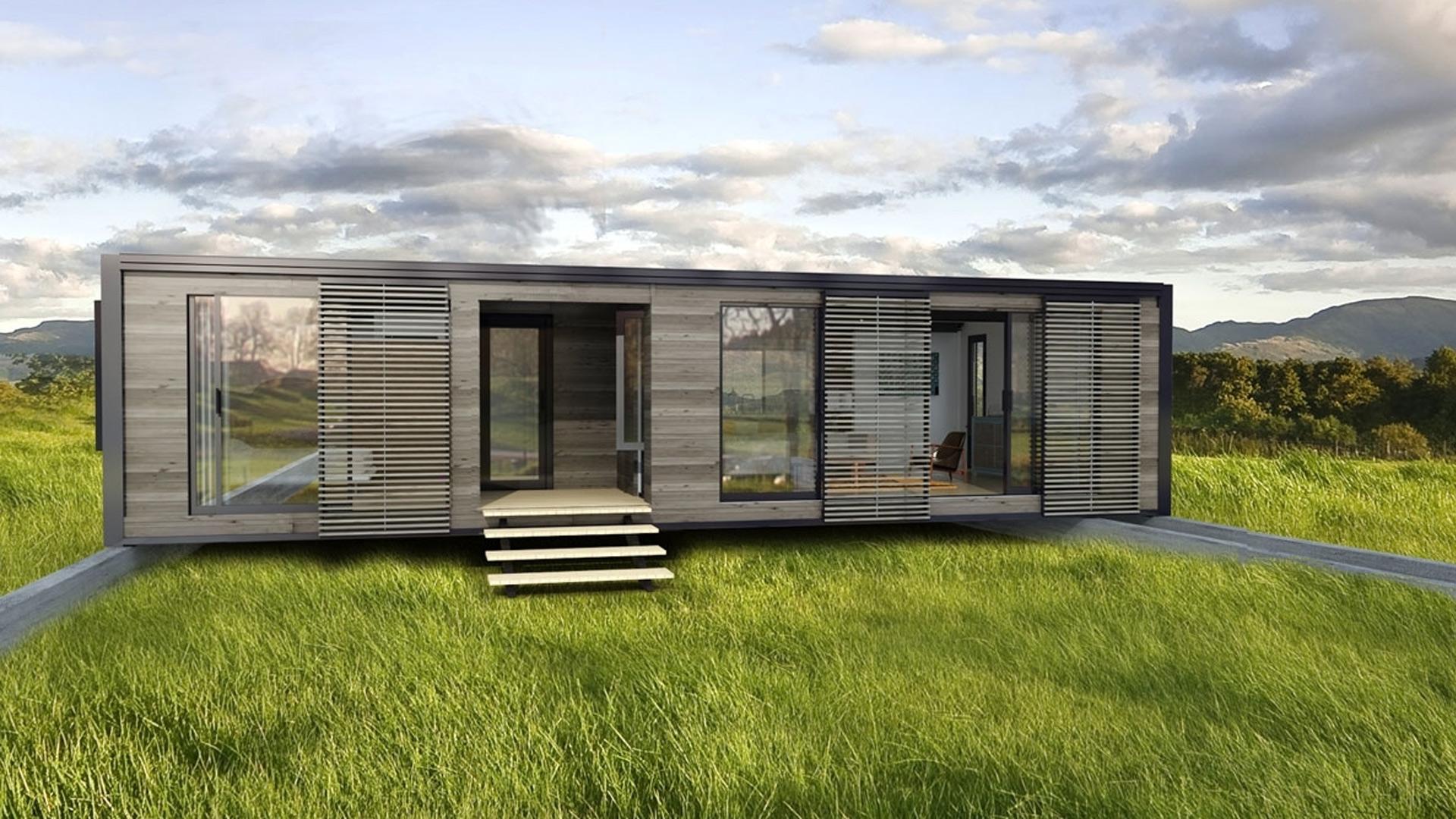
Modern modular homes in Cyprus in 2026 are not converted containers, but high-tech structures manufactured in factories. They are assembled on-site like a construction kit, minimizing construction waste and noise, allowing construction to be carried out even in dense residential areas without conflict with neighbors.
Energy efficiency and climate comfort
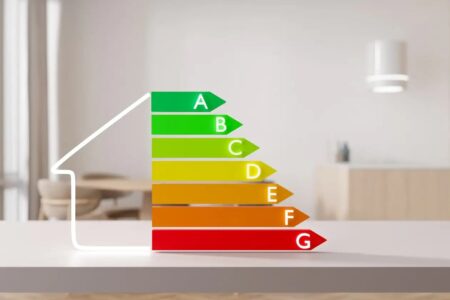
In terms of energy efficiency, timber-frame houses often outperform traditional structures. The walls of these buildings are 80% insulated, easily achieving energy efficiency class A, which has become a mandatory standard. Thanks to the absence of thermal bridges typical of concrete floors, these houses function like a thermos: they are quickly cooled by air conditioners in the summer and retain heat in the winter. This is critical given the island’s high electricity rates. Owners of modular homes report a 30-40% reduction in utility costs compared to their brick counterparts.
Seismic resistance and durability
Contrary to stereotypes about fragility, light gauge steel framing (LGSF) is highly seismically resistant. Cyprus is located in an active seismic zone, and the lightweight nature of the structure plays a key role: during an earthquake, the inertial load on a lightweight building is significantly lower than on a heavy concrete monolith. A steel frame doesn’t crack, but rather functions by virtue of its elasticity. However, the question of durability on the humid Cypriot coast remains open. Without high-quality anti-corrosion treatment and ventilated facades, metal elements can be exposed to the aggressive effects of sea salt, requiring strict adherence to protective technologies.
Bank financing and liquidity
The main pitfall of modular construction in Cyprus is the attitude of banks. Financial institutions remain conservative and view concrete buildings as more reliable collateral. Obtaining a traditional mortgage for a timber-frame house is more difficult: banks may require a higher down payment (up to 50%) or offer a shorter loan term. Appraisers also tend to underestimate the value of such properties on the secondary market, considering them less durable. This creates a liquidity risk: selling a modular house in 10-15 years may be more difficult than a traditional villa, as local buyers are mentally tied to permanent structures.
Permitting documentation
Legally, installing a modular home on a foundation requires the same procedures as permanent construction. A planning permit and a building permit are required. The myth that a prefab can be erected on agricultural land without documentation as a “temporary structure” was dispelled in 2026 by rigorous municipal inspections. Any structure connected to utilities and with a permanent foundation is subject to licensing.
Choosing a modular home makes sense if speed of move-in or a fixed budget are key factors, as factory assembly eliminates the risk of cost inflation during construction. However, for those viewing real estate as an investment asset for resale and capital preservation for decades, traditional reinforced concrete remains a more predictable and liquid instrument.