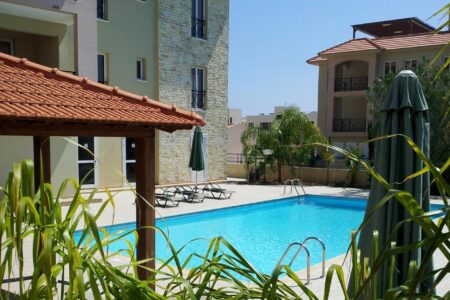
In 2026, Larnaca secured its status as the most promising city in Cyprus for medium- and long-term investment. While Limassol struggles with market saturation and sky-high prices, Larnaca offers dynamic growth, supported by significant infrastructure projects. At the center of this boom is Livadia, a district that has transformed from a quiet suburb into a strategic investment hub over the past three years. Land acquisitions here have become a “land rush,” and there are compelling economic reasons for this.
Contents
- 1 The Livadia Phenomenon: Why This District Will Lead in 2026
- 2 The Land of Tomorrow and the New Larnaca Marina Effect
- 3 Real Estate and Land Market Analysis (Larnaca Neighborhood Comparison 2026)
- 4 Land Investment Strategies in 2026
- 5 Livadia’s infrastructure benefits in 2026
- 6 Technical standards and sustainable construction
- 7 Legal and tax aspects of 2026
- 8 Expert opinion
- 9 FAQ: Frequently Asked Questions
The Livadia Phenomenon: Why This District Will Lead in 2026
Livadia is located in northeast Larnaca, close to the coastline and the island’s main transport arteries. The main catalyst for investor interest was the completion of the demolition of old oil storage facilities and the launch of the Land of Tomorrow megaproject . This vast coastal area, previously inaccessible for development, is now being transformed into a cutting-edge leisure, business, and luxury residential area.
Livadia is located in the “golden triangle” between the new port and marina of Larnaca, the tourist area of Dhekelia, and the city center. As of 2026, it is the only location where land for large-scale development in such close proximity to the sea remains available.
The Land of Tomorrow and the New Larnaca Marina Effect
The new Larnaca Marina project, costing €1.2 billion, is in its active implementation phase and will be completed in 2026. Livadia, as the closest residential area to the site, is responsible for the bulk of demand for high-quality housing. Investors purchasing land in Livadia are targeting residential complexes for marina employees, yachtsmen, and digital nomads.
Key growth factors:
- Coastal regeneration: Relocation of industrial sites has opened up access to 3 kilometers of sandy beaches.
- Eco-urbanism: By 2026, Livadia will be developed according to a “smart city” plan with an abundance of parks, bike paths, and eco-friendly areas.
- American University of Cyprus (AUCY): The proximity of campus ensures stable rental demand from faculty and students.
Real Estate and Land Market Analysis (Larnaca Neighborhood Comparison 2026)
To understand the scale of investment potential, it is necessary to compare Livadia with other popular areas of Larnaca.
| District | Average price for a plot of 500 m2 ( €) | Annual cost increase (%) | Distance to the sea (min) |
| Livadia | 220,000 – 310,000 | 15–18% | 3–5 |
| Aradippou | 160,000 – 190,000 | 7–9% | 12–15 |
| Oroklini | 180,000 – 240,000 | 10–12% | 5–7 |
| Mackenzie | 600,000+ | 4–6% | 1–2 |
The table data confirms that Livadia offers the highest land value growth rates. Investors who purchased land here in 2024–2025 saw a 30–35% return on capital appreciation by 2026.
Land Investment Strategies in 2026
In Livadia in 2026, three investment models are most effective:
1. Purchase for division of plots (Plot Division)
Investors acquire large agricultural fields, which are converted into residential areas. After infrastructure (roads, electricity, water) is installed, the land is divided into individual plots for the construction of villas. In 2026, the net profit from such a transaction is approximately 40% after taxes.
2. Construction of apartment complexes (Low-rise buildings)
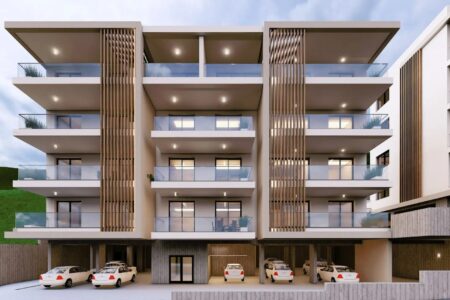
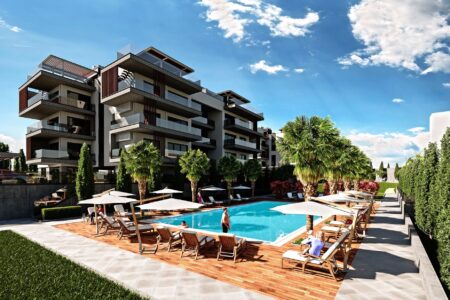
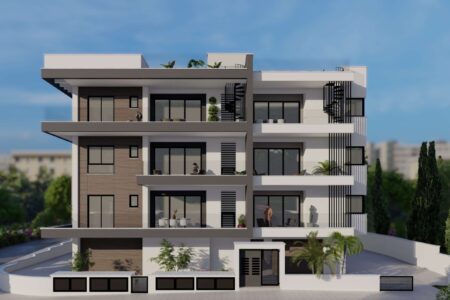
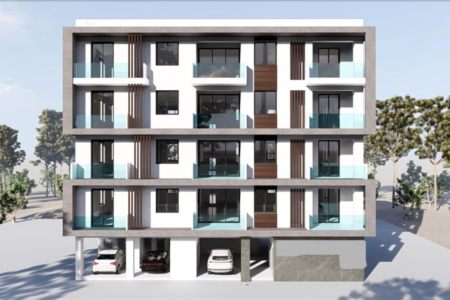
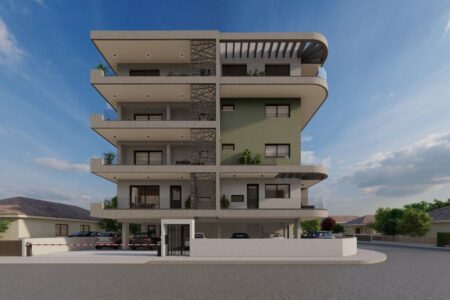
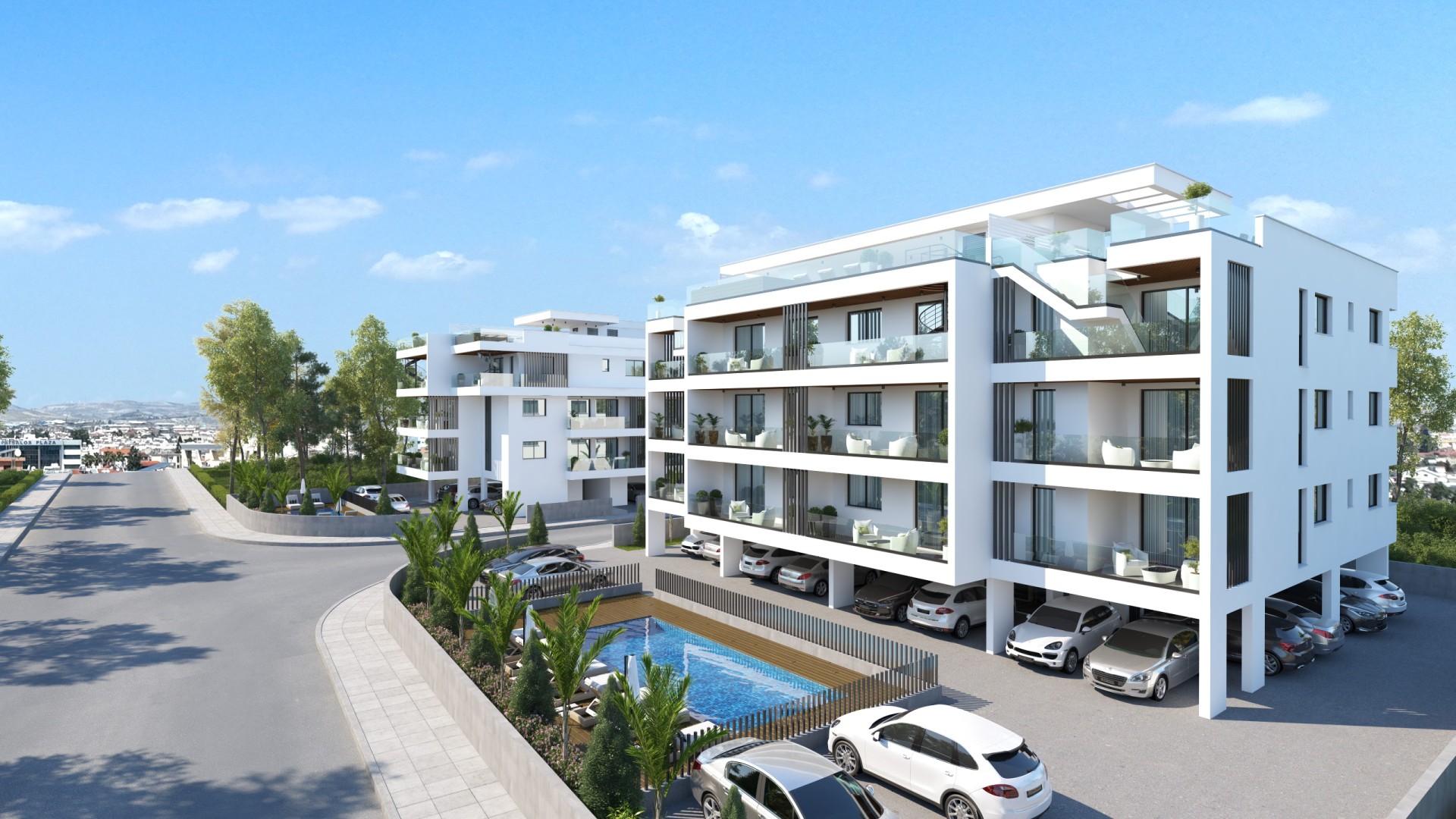
According to Livadia’s urban development regulations, low- and mid-rise buildings predominate here. Construction of three-story complexes with 6-9 apartments is the most liquid product in 2026. The average selling price per square meter in such properties has risen to €3,200-€3,500.
3. “Built-to-Rent” format
Given the shortage of quality housing in Larnaca, investors are buying up land to build townhouses for long-term rental. In 2026, rental yields in Livadia reached 7-9% per annum , higher than the island average.
Livadia’s infrastructure benefits in 2026
The district has ceased to be dependent on central Larnaca. In 2026, it had a self-sufficient infrastructure:
- Education: New public and private schools targeting expats.
- Transportation: Direct access to the highway connects Larnaca with Nicosia and Ayia Napa in 25–30 minutes. Larnaca Airport is 15 minutes away.
- Commerce: Opening of new shopping centers and supermarkets along Livadia-Dhekelia Avenue.
Technical standards and sustainable construction
By 2026, all new projects in Livadia will be required to meet energy efficiency class A. This is not only a legal requirement but also a key factor in liquidity.
Investors are implementing the following solutions in Livadia projects:
- Photovoltaic systems: Installation of solar panels with a capacity of 5 kW for private homes.
- Central VRV systems: Modern air conditioning with low energy consumption.
- Water conservation: Water recirculation systems for irrigation of local areas.
- Electric charging stations: Pre-installation of charging stations for electric vehicles in all new projects.
Legal and tax aspects of 2026
Purchasing land in Livadia in 2026 comes with a number of tax implications. When purchasing land from a legal entity, a 19% VAT is charged. However, if the land is purchased for residential construction, there are mechanisms for partial refunds or tax benefits.
For foreign investors in 2026, the following is important:
- Cyprus Permanent Residence: An investment in residential real estate worth at least €300,000 (based on purchased land) entitles one to permanent residence.
- Capital Gains Tax: Capital gains tax on the subsequent resale of land is 20%, but with proper structuring of the transaction through a company, optimization is possible.
- Title Deeds: In 2026, the Larnaca Land Department went digital, reducing the time it takes to obtain Title Deeds.
Expert opinion
Livadia in 2026 isn’t a “promise of the future,” but a realized investment case. The acquisition of land here is justified by the city’s physical expansion to the east and the shortage of coastal land. For investors entering the market now, Livadia remains the safest option for investing capital to hedge against inflation and generate stable passive income.
FAQ: Frequently Asked Questions
Why is it more profitable to buy land in Livadia now than in 2027?
The first phase of the Land of Tomorrow project is expected to be completed in 2027, triggering another price hike (+20% is projected). In 2026, plots can still be found at entry-level prices in areas adjacent to the new development zone.
What is the minimum budget for investing in land in Livadia in 2026?
The minimum entry threshold for a full-scale residential plot of approximately 500 m² starts at €220,000. Smaller plots for townhouses can cost from €180,000. Land without infrastructure (fields) is cheaper but requires legalization and utilities costs.
What are the risks of buying land in this area?
The main risk in 2026 is purchasing land with building density restrictions or in areas affected by environmental regulations. It’s important to check the building density (typically 80-120% in Livadia) and the height (2-3 stories). It’s also important to ensure access to a public road.
Is it difficult to obtain a building permit in Livadia?
Due to its status as a rapidly developing area, the Livadia municipality has been issuing permits through a simplified process (through a rapid licensing system for investors) since 2026. On average, the process takes 4 to 8 months, provided the project complies with architectural regulations.
Is it possible to build a commercial facility on the purchased land?
Livadia is primarily zoned for residential development. However, plots along the main roads (avenues) are designated for mixed use (commercial/residential), allowing for the construction of office buildings or ground-floor retail. The value of such land is 30-50% higher than residential land.