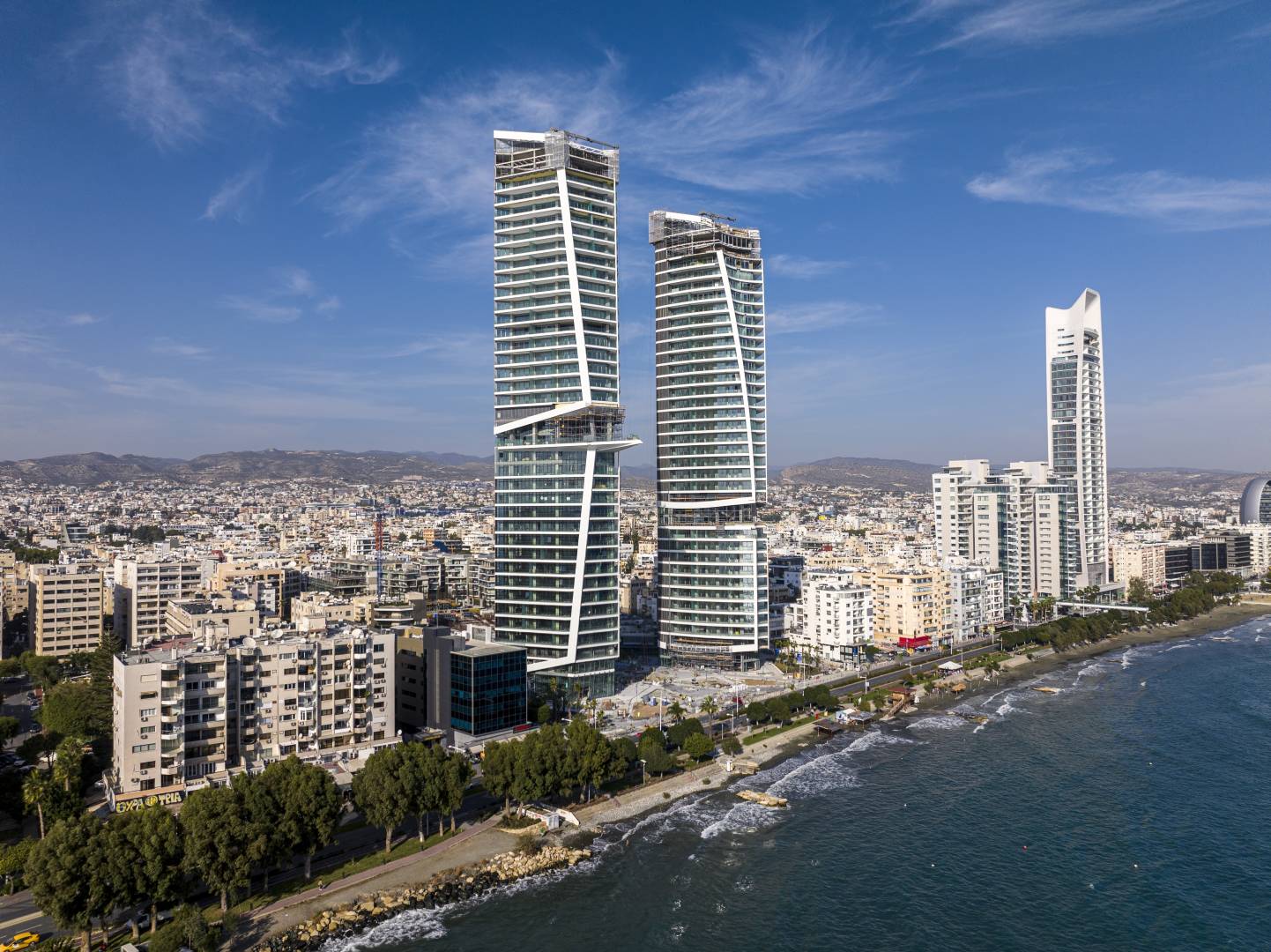
Limassol’s transformation over the past 10 years has transformed it into a “Mediterranean Miami.” The city’s skyline, once dominated by low-rise buildings, is now adorned with more than 25 modern skyscrapers, reaching heights of 170 and even 190 meters. This vertical development is a response to the shortage of coastal land and the growing demand from international investors for all-inclusive real estate. Investing in Limassol’s high-rise buildings is more than just buying square footage; it’s acquiring a stake in an exclusive ecosystem offering a level of service unavailable in traditional residential complexes.
Contents
The concept of vertical living: service and infrastructure
The key feature of Limassol’s modern towers is the concept of five-star hotel service for residents. Apartment owners in projects like Trilogy, One, or City of Dreams have access to amenities that occupy up to 30% of the building’s total floor area. This includes 24-hour concierge service, security, valet parking, and private relaxation areas: spas, gyms with panoramic views, cinemas, and infinity pools on the 10th or 20th floors.
For investors, this concentration of services means high tenant loyalty. The primary target audience is top managers of international IT companies and fintech giants, for whom security and comfort are priorities. Apartments in such buildings rent for 40 to 50% more than similar apartments in conventional buildings across the street. Management companies take care of all maintenance , making the investment completely passive.
Economy and profitability in the high-rise segment
Investing in Limassol high-rises falls into two strategies: buying off-plan for resale and leasing. At the excavation stage, the price per square meter can be 20% to 30% lower than the final price. Considering that tower construction takes three to five years, the average annual capital gain due to capitalization is approximately 8% to 10%.
In terms of rental income, the net return on investment (ROI) in skyscrapers ranges from 5 to 7% per annum in euros. Penthouses on the top floors are exceptional: their prices can reach €10,000,000 or €15,000,000, with monthly rental rates of €20,000 and above. Such properties offer exceptional liquidity, as the supply of “trophy properties” on the seafront is physically limited.
| Parameter | High-rise complex (Tower) | Traditional villa |
| Security level | 24/7 security, video surveillance, reception | Individual alarm system |
| Infrastructure | Swimming pools, spas, gyms, bars | Private pool and garden |
| Return on Investment (ROI) | 5% – 7% | 4% – 5% |
| Operating costs | High (Common Expenses) | Medium (garden/pool maintenance) |
| Liquidity | High (international demand) | Average (depending on location) |
Engineering standards and technological excellence
The construction of buildings over 100 meters tall in Cyprus requires adherence to the strictest engineering standards. Cyprus is located in a seismically active zone, so all skyscrapers are designed to withstand earthquakes of magnitude 7 or 8. The foundations of such buildings extend 30 or 40 meters deep, and the frame is made of high-strength concrete with reinforced concrete.
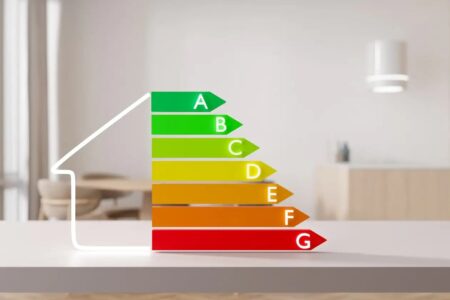
Particular attention is paid to wind loads and energy efficiency. Panoramic glazing in the towers is made of a special laminated glass with a coating that reflects up to 70% of solar heat, reducing cooling costs. Modern smart home systems allow residents to control the climate control, lighting, and curtains from their smartphones, a standard feature for premium properties. High-speed elevators (at speeds of up to 4 or 6 meters per second) provide quick access to the upper floors, minimizing wait times.
Operating Features and Common Expenses
Investors should be prepared for higher maintenance costs in skyscrapers. Monthly common area maintenance fees (Common Expenses) are calculated based on the apartment’s area and can range from €3 to €6 per square meter. This means that for a 100-square-meter apartment, the owner will pay between €300 and €600 per month.
However, these expenses are justified: they cover concierge services , facade cleaning by industrial climbers, pool maintenance, and building insurance. Ultimately, high-quality maintenance slows the physical deterioration of the property, preserving its marketable appearance and market value for 20 or 30 years, which is critical for a long-term investor.
Prospects and the domino effect
The development of vertical Limassol has created a domino effect on the entire city’s infrastructure. Luxury boutiques, private clinics, and international offices are opening around the new towers. Skyscrapers have become a symbol of the new Cyprus—modern, open to business, and offering a level of comfort comparable to Dubai or London. Although construction of some new projects is slowing due to stricter environmental regulations, existing and near-complete projects are becoming even more valuable assets. Investing in the “vertical meter” today is a bet on Limassol’s status as the undisputed leader of the Mediterranean’s business and social scene.