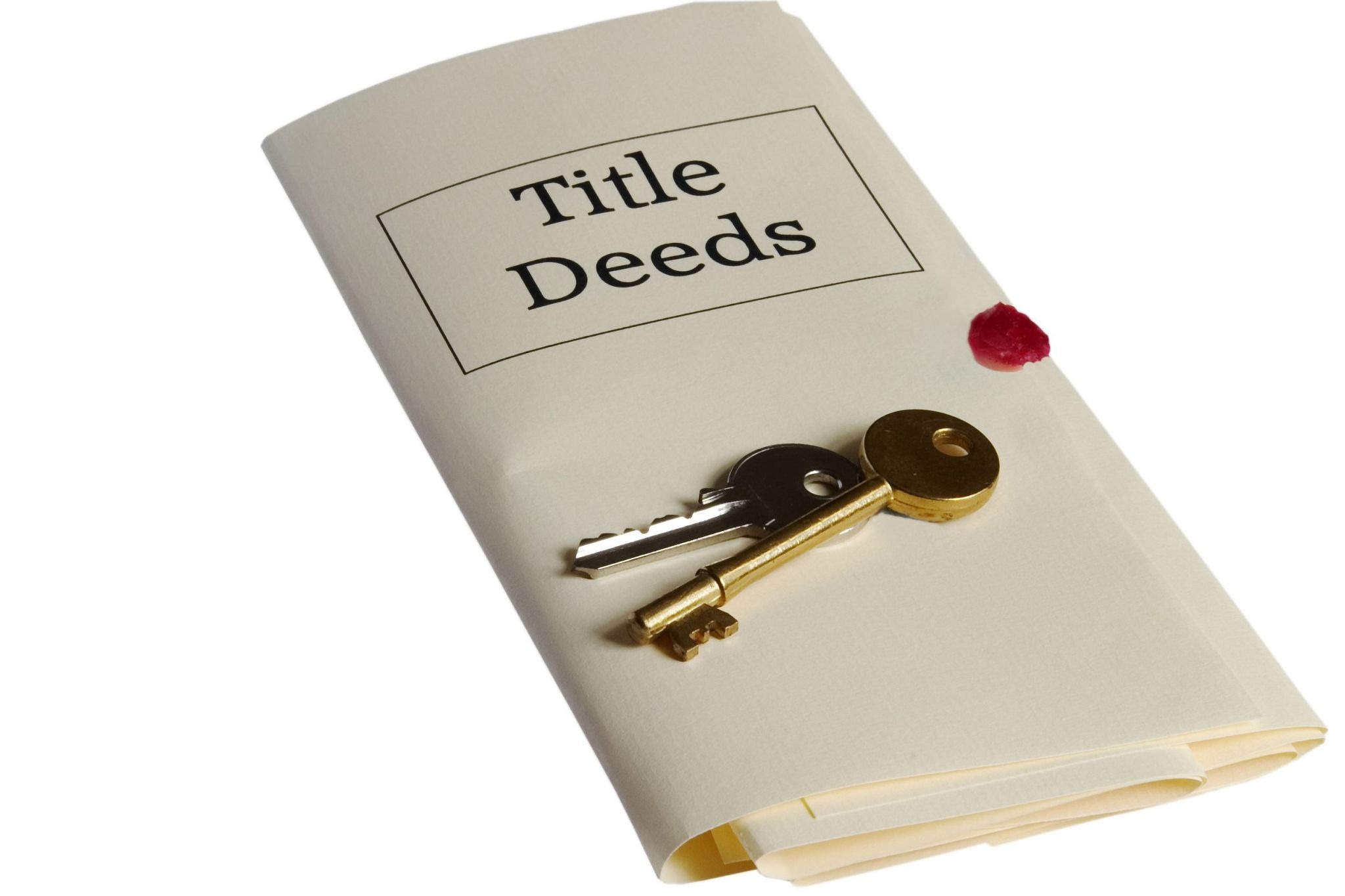
Having a title deed is key to securing a transaction in Cyprus. However, having the document itself does not guarantee a smooth transition. Thousands of properties on the island have so-called “dirty” title deeds—documents marked with notes/encumbrances. These entries appear when the building’s actual condition does not correspond to the approved architectural plans. Legalizing such changes is a critical step for any investor planning to resell the asset or use it as collateral.
Contents
Where do violations and marks in the Title come from?
The problem of “non-compliance” often arises from owners’ desire to improve the functionality of their home without going through complex bureaucratic procedures. The most common violations in Cyprus include:
- Enclosed Verandas: Transforming Open Terraces into Living Rooms.
- Swimming Pools: Construction of a swimming pool without prior Building Permit.
- Additional buildings: Construction of garages, guest houses or storage rooms on the site.
- Change in building density: Exceeding the permissible building area (Building Density) for a particular land plot.
When a municipal engineer conducts a final inspection of the property to issue a Final Certificate, any deviations are noted. As a result, the Land Department issues a Title Deed, but notes the violation. Such a property cannot be sold through a bank (the buyer will not be approved for a mortgage), and its market value is reduced by 15-20%.
Legalization procedure: main stages
The process of organizing documents requires time and the involvement of a licensed architect. The basic steps are as follows:
- Architectural audit: A specialist compares the current layout with the plans held by the Department of Town Planning.
- Applying for an amnesty: The Cypriot government periodically announces a “Town Planning Amnesty,” which allows minor violations to be legalized for a certain fine. If there is no amnesty, the procedure proceeds through the standard permit amendment process.
- Purchasing a development coefficient: If the violation is related to exceeding the area, in some cases the law allows for the “purchase” of the missing meters from the state or the transfer of them from another site (through the Transfer of Development Rights system).
- Receiving the final certificate: Once the changes have been approved, inspectors issue a “clean” certificate of conformity.
- Renewal of Title: Based on the certificate, the Land Department issues a new Title Deed free of any encumbrances or marks.
Why a Clean Title is Critical
For an investor, legalization is not just a formality, but a way to capitalize on an asset.
- Liquidity: Properties with clean title are available for purchase to local residents and foreigners with mortgage financing. Cypriot banks are extremely conservative and do not accept properties with unauthorized renovations as collateral.
- Legal clarity during inheritance: The absence of problems in the Title Deed guarantees a quick and simple transfer of property rights to heirs without the need for litigation with government agencies.
- Insurance payments: In the event of a serious incident (fire, earthquake), the insurance company may refuse to pay out or significantly reduce it if it turns out that the damaged part of the building was built illegally.
Important to know: There is a category of “trapped buyers” who are unable to obtain title deeds due to developer debts or serious construction violations throughout the complex. Legalization in such cases may require a collective appeal from all homeowners in the project.
The financial side of the issue
Legalization costs include the architect’s fee, government fees, and possible fines for zoning violations. However, these expenses are fully offset by the increase in property value. Once cleared of any legalization marks, a property becomes a fully-fledged market asset, ready for a quick sale. Given the shortage of quality housing in Cyprus, homes with “crystal-clear” documents always sell first and at the highest price.