Purchasing real estate in Cyprus is a serious investment that requires not only financial preparedness but also extreme diligence. In 2026, when the market is oversaturated with offers in both new and resale markets, a thorough due diligence process is becoming the primary means of protecting capital. Mistakes during the due diligence stage can lead to years of litigation, the inability to obtain title deeds, or unexpected expenses for major renovations. A competent property audit is divided into two main areas: legal compliance and technical compliance with the stated specifications.
Contents
Legal audit and work with the Land Cadastre
The first and most important step is a legal due diligence, which must be conducted by an independent, licensed lawyer. The primary source of information here is the Department of Lands and Surveys of Cyprus. The lawyer requests a Land Registry Search, which allows for a complete “biography” of the property. This document reflects all existing encumbrances: mortgages of the developer or previous owner, injunctions (memos), tax claims, or third-party claims. In 2026, the process of obtaining such data was significantly accelerated thanks to the digitalization of registries, allowing the lawyer to obtain up-to-date information within just a few days.
Particular attention is paid to verifying the ownership rights. In the secondary market, a lawyer verifies the presence of a clean title deed, which guarantees the seller is the legal owner and has full right to dispose of the property. If the property is under construction, the land title is verified and the absence of liens is ensured. An important aspect of the legal due diligence is also verifying the presence of all necessary permits. This includes a planning permit and a building permit. Without these documents, the building is considered illegal, which will make it impossible to issue title deeds to buyers in the future.
Technical inspection and engineering audit of the building
The technical condition of a property often conceals defects that are undetectable during a routine inspection. In 2026, a professional technical audit became the standard for discerning buyers. This includes an inspection of the building’s structural integrity, roof condition, waterproofing systems, and utility systems. In Cyprus, due to the high humidity in coastal areas and the climate, waterproofing problems are the most common and costly to fix. An engineer inspects the walls for microcracks and signs of capillary moisture, and also tests the operation of air conditioning, heating, and solar panels for hot water.
For new buildings, the technical inspection focuses on the property’s compliance with the approved architectural plans and specifications attached to the contract. It’s important for the buyer to ensure that the developer used the specified materials and did not violate the site boundaries. A crucial document confirming the technical legitimacy of the property is the Certificate of Final Approval. Its presence means that government agencies have accepted the building and confirmed its compliance with all safety standards and urban development codes. The absence of this certificate for a completed home is a serious red flag for the investor.
Energy efficiency and environmental standards
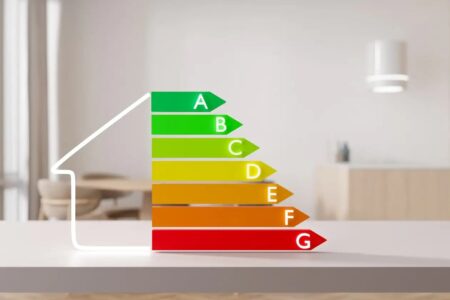
In 2026, green building requirements in Cyprus became significantly more stringent. Every property offered for sale or rent must have an Energy Performance Certificate (EPC). This document ranks the building on a scale from A to G, with category “A” representing the most advanced energy efficiency standards. When conducting an inspection, buyers should pay attention to this indicator, as it directly impacts future maintenance costs. Properties with low energy efficiency ratings may require mandatory upgrades at the owner’s expense in the coming years to comply with new European directives on decarbonizing the housing stock.
In addition to thermal insulation, the 2026 technical inspection often includes an audit of smart home systems and electric vehicle charging stations, which are becoming mandatory infrastructure features in modern residential complexes. Checking the electrical capacity allocated to an apartment or villa is also critical: older networks may not be able to handle the load from modern kitchen appliances and powerful central air conditioning systems. Ensuring the property is technically ready for modern requirements means avoiding the need to cut grooves in walls and rewire immediately after purchase.
Verification of municipal payments and tax compliance
The final stage of due diligence involves verifying the property’s financial standing with municipal authorities and utility companies. The seller is required to provide certificates of no outstanding property taxes (if applicable), garbage collection fees, sewerage, and local municipal taxes. Water and electricity bills are also verified. In Cyprus, it is common practice for the previous owner’s debts to prevent the transfer of meters to the new owner. A lawyer must ensure that all current liabilities are satisfied by the time the deed of transfer is signed, and that the final meter readings are recorded in the presence of both parties.
Conducting due diligence takes time and requires the involvement of professionals, but it’s the only way to ensure your Cyprus property brings joy and income, rather than legal problems. In 2026, when transaction transparency has become a priority for government agencies, ignoring any stage of due diligence is an unjustified risk. Investing in a high-quality legal and technical audit is the best insurance policy, which pays off in peace of mind and confidence in the legality and durability of your new home on the sunny island.