The Larnaca Port and Marina renovation project is the largest infrastructure initiative in the history of Cyprus. With a total investment exceeding €1.2 billion, this transformation is elevating the city from a quiet resort to a key economic and tourist hub in the Mediterranean. The project entered its active implementation phase in 2026, which has already created a shortage of quality properties in the coastal area. For investors and expats, understanding the structure of this project is critical when making real estate purchase decisions.
Contents
- 1 The strategic importance of the project for Larnaca
- 2 Detailed development map by functional zones
- 3 Implementation stages and key dates
- 4 Real Estate Price Forecast: 2027–2030
- 5 Risk Analysis and Recommendations for Buyers in 2026
- 6 Comparison of investment attractiveness of cities in Cyprus (2026)
- 7 FAQ: Frequently Asked Questions
The strategic importance of the project for Larnaca
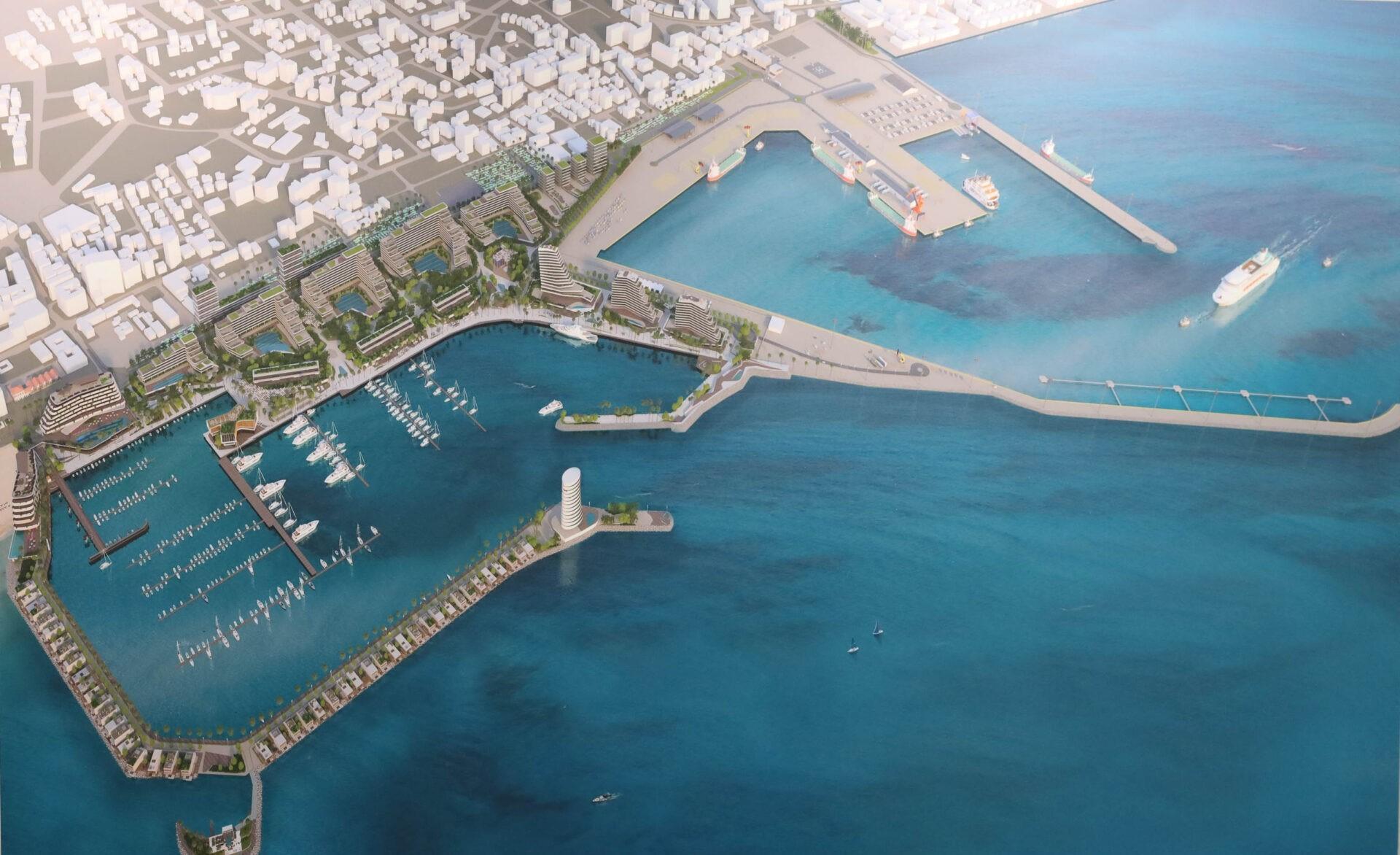
The reconstruction covers an area of over 510,000 square meters. It aims to connect the historic city center around the Finikoudes waterfront with the port area, creating a unified pedestrian and recreational corridor. In 2026, work will focus on modernizing the piers and preparing the foundations for commercial buildings.
The main goals of the project by 2030:
- Increasing the marina’s capacity to 600 yachts, including superyachts up to 115 metres in length.
- Construction of a new modern terminal for cruise ships.
- Creation of an educational and research cluster in the field of marine technology.
- Development of park areas and public spaces with a total area of 40,000 m².
Detailed development map by functional zones
The project is divided into several key zones, each with its own architectural and investment features.
Marina and Yacht Club Area
Luxury residential developments with direct access to marinas are being built here. Construction on the first of three high-rise towers, which will dominate the coastline, began in 2026. Residential developments in this area are targeted at ultra-high net worth individuals (UHNWIs) seeking an alternative to Limassol.
Port and cruise area
This part of the project is designed to serve international tourism. The new terminal will be able to accommodate up to two large cruise ships simultaneously. This will ensure a stable flow of tourists (up to 500,000 per year by 2028), making commercial real estate within a 1,500-meter radius of the port a highly liquid asset.
Commercial and residential sector (Landside)
It includes world-class hotels, Class A office space, and shopping centers. Particular attention has been paid to the creation of smart infrastructure: 100% of the port will be covered by a 5G network, and the management of life support systems will be automated.
Implementation stages and key dates
The project is proceeding strictly according to the schedule approved by the Cypriot government. Each stage has a direct impact on the price per square meter in the surrounding areas.
Port and Marina Development Plan (2025–2030)
| Stage | Period | Main works | Expected price increase |
| Stage 1 | 2025–2027 | Dredging, expansion of berths, infrastructure for yachts. | 15–18% per annum |
| Stage 2 | 2027–2028 | Construction of a cruise terminal, opening of the first shopping centers and restaurants. | 12–15% per year |
| Stage 3 | 2028–2029 | Completion of construction of luxury residential complexes, commissioning of 5* hotels. | 10–12% per year |
| Stage 4 | 2029–2030 | Complete improvement, opening of parks and educational centers. | Market stabilization |
Real Estate Price Forecast: 2027–2030
Larnaca remains undervalued in 2026 compared to Limassol, where similar properties are 40-60% more expensive. However, this gap is rapidly narrowing.
Investment potential of the districts
- New Marina District: Prices for one-bedroom apartments start at €380,000 in 2026. These prices are expected to rise to €550,000 by 2028, with the completion of external infrastructure.
- Mackenzie: Due to its proximity to the airport and port, this area leads in short-term rental yields (ROI 7-9% per annum). The price forecast for 2027 is €5,500 per m².
- Drosia and Livadia: These neighborhoods are popular with expat families. Prices here are more reasonable: from €2,800 to €3,500 per square meter in 2026. A 20-25% increase is expected by the time Phase 2 of the port renovation is completed.
Impact on the rental market
By 2030, demand for Class A office space in Larnaca will triple. Large international companies are already beginning to relocate their back offices from Limassol to Larnaca due to the more affordable cost of living and the port’s new business infrastructure. This will create continued demand for long-term rental housing among skilled professionals.
Risk Analysis and Recommendations for Buyers in 2026
Regardless of the scale of the project, you must take into account the specifics of the local market.
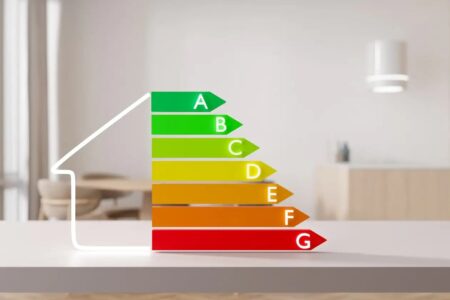
- Construction quality: When choosing off-plan properties in 2026, it is necessary to check not only the developer’s reputation, but also the availability of a Class A energy certificate.
- Legal purity: Due to the scale of the work, some areas may have easements or restrictions associated with the installation of new communications.
- Tax planning: In 2026, Cyprus continues to offer VAT exemptions (5% on the first 130 m² of residential space, subject to certain conditions), which can significantly reduce the investor’s budget when purchasing a new property.
Comparison of investment attractiveness of cities in Cyprus (2026)
| Parameter | Larnaca (Port) | Limassol (Marina) | Paphos (Tourist area) |
| Entry threshold (euro) | from 300,000 | from 650,000 | from 280,000 |
| Growth potential (5 years) | 60–80% | 20–30% | 30–40% |
| Rental Income (ROI) | 7–9% | 4–6% | 5–7% |
| Payback period | 11–13 years old | 18–22 years old | 14–16 years old |
Investments in Larnaca in 2026 are a bet on fundamentally transforming the urban environment. While Limassol has already reached its peak in many respects, Larnaca is at the beginning of its exponential growth.
FAQ: Frequently Asked Questions
When will the renovation of Larnaca port be fully completed?
The project is divided into four phases. The main marina and infrastructure work will be completed by the end of 2027. Full completion of all residential complexes, hotels, and public parks is scheduled for 2030. However, by 2028, the port will begin operating as a full-fledged cruise and yachting hub.
Is it worth buying existing property near the port or is it better to invest in new builds?
In 2026, new buildings in the port area have much greater potential for price appreciation. Older housing in this area often fails to meet modern energy efficiency and seismic standards. Furthermore, new residential complexes offer amenities (swimming pools, concierge service, parking), which are a must for high-income tenants.
Will port noise affect the cost of beachfront housing?
The project includes strict zoning. Commercial and cargo operations will be kept as far away as possible from residential areas and the marina. The use of modern noise suppression systems and “green” barriers is a mandatory requirement of the project’s environmental assessment in 2026. Residential properties in the frontline will be protected from industrial noise and retain their high value.
What taxes must be paid when reselling real estate in 2027–2030?
Cyprus imposes a capital gains tax of 20% on profits from sales. However, significant deductions are provided: the first €30,000 of profit is tax-exempt for individuals. Repair costs, real estate agent fees, and inflation adjustments are also deductible.
Is it safe to buy property at the excavation stage in 2026?
Purchasing off-plan in 2026 is safe when dealing with reputable developers whose accounts are protected by bank guarantees. Cypriot legislation has significantly strengthened buyer protection in recent years: investor funds are often transferred to the developer in stages, only after the completion of certain construction cycles, as confirmed by an architect’s certificate.