The area around the Church of Saint Lazarus in Larnaca has cemented its status as the island’s most sought-after historic location for premium boutique hotels . Its proximity to the large-scale redevelopment of Larnaca Port and Marina (Larnaca Land & Sea), along with the authentic atmosphere of the old town, has transformed abandoned mansions into highly profitable investment assets. However, acquiring property in this area entails specific legal procedures related to the building’s Listed Building status and the strict urban planning regulations of the historic center.
Contents
Investment attractiveness of the Saint Lazarus area in 2026
In 2026, Larnaca demonstrated the highest rate of price growth per square meter in Cyprus. The Agios Lazaros district attracts investors due to its limited supply: the number of historic buildings suitable for hotel renovation is rapidly declining. Boutique hotels in this area demonstrate average annual occupancy rates of 75–80%, higher than the island average, thanks to year-round tourist interest in the religious and cultural heritage.
Why it’s beneficial now:
- Synergy with the new Marina: Following the completion of the first phase of the Larnaca Port expansion in 2025, demand for quality accommodation in the city centre has increased by 25%.
- Room shortage: Large chain hotels are concentrated on the coast, while individual travelers seek authenticity in the historic core.
- Tax incentives: The state continues to stimulate the restoration of the old city through a system of grants and tax deductions.
Legal status objects : Listed Buildings vs. Non-Listed
The first stage of any due diligence in the Saint Lazarus area is determining the building’s status. This determines both possible subsidies and the severity of renovation restrictions.
Listed Buildings
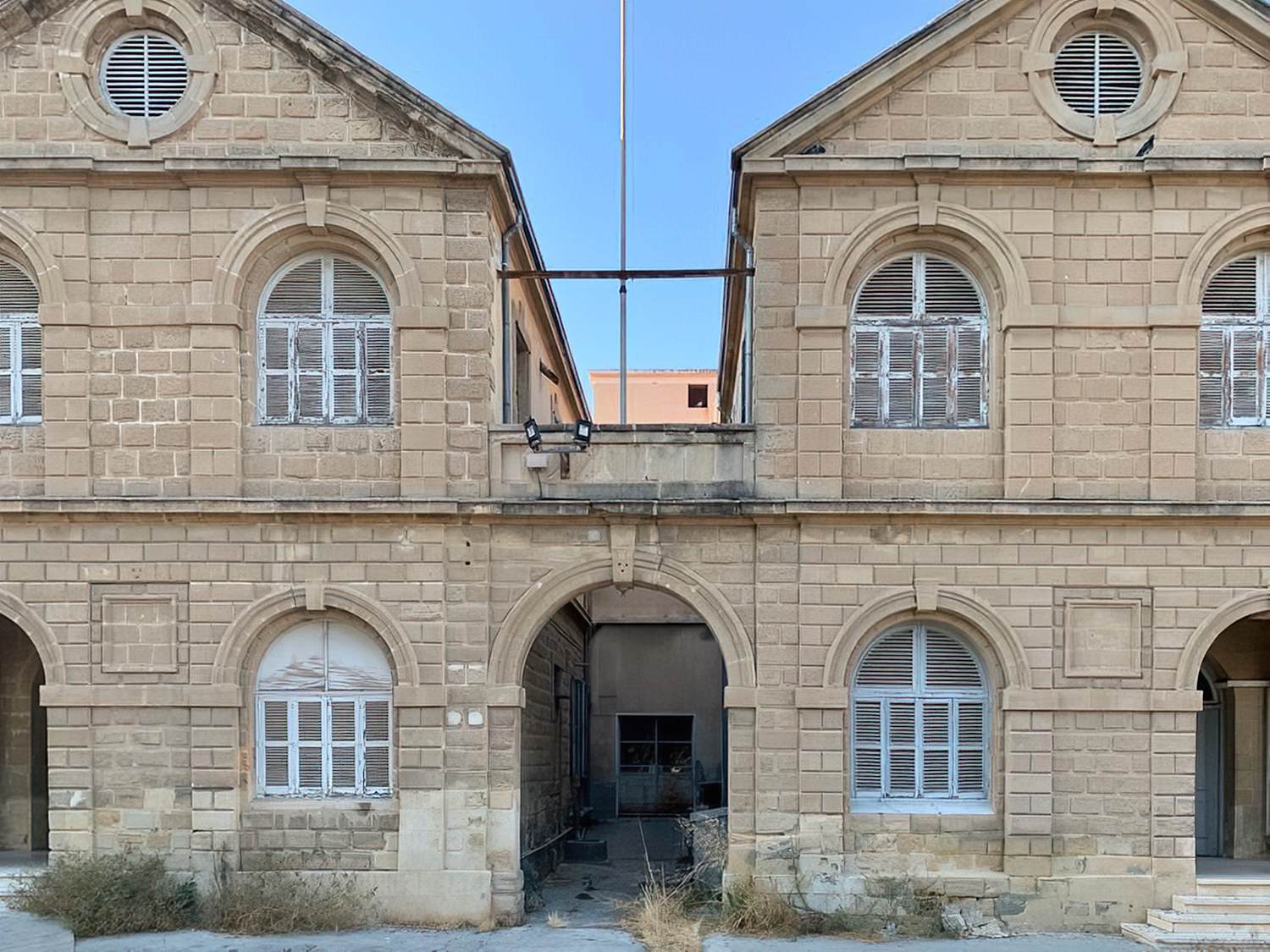
Most of the 19th- and early 20th-century stone mansions in the area are protected by the Preservation of Buildings Law.
- Restrictions: It is prohibited to change the façade, the building height, the type of roofing materials and the authentic window frames without the approval of the Department of Town Planning.
- Benefits: Investors are eligible for direct grants for restoration and the opportunity to sell unused development coefficient (Transfer of Development Rights).
Ordinary buildings in the historic zone
Even if a building isn’t a listed building, it’s located within a special architectural control zone. In 2026, Larnaca’s municipal authorities will require that any new projects or renovations be in harmony with the overall appearance of the area (stone color, wrought iron elements, height).
Legal nuances of the “Change of Use” procedure
To open a boutique hotel in a building that was previously used as a residential building or retail outlet, it is necessary to go through the Change of Use procedure.
Coordination stages in 2026
- Obtaining a Town Planning Permit: This is a key document confirming that the future hotel complies with the development plans of the area.
- Building Permit: Technical permission to carry out construction work, including seismic strengthening of old structures.
- Licensing at the Sub-Ministry of Tourism: In 2026, requirements for hotels with 5-15 rooms include mandatory availability of the latest generation fire safety systems and accessibility for people with disabilities (even in historic buildings).
Financial performance and tax benefits
Investment in Larnaca’s boutique hotels in 2026 is supported by a unique tax policy aimed at preserving the city’s cultural heritage.
Comparison of Investment Models: Hotels vs. Apartments
| Parameter (2026) | Boutique hotel (10 rooms) | Residential complex (apartments) |
| Average investment volume (EUR) | 1,500,000 – 2,500,000 | 1,200,000 – 1,800,000 |
| Subsidies for restoration | Up to 40% of the cost of work | None |
| Payback period | 6 – 8 years old | 10 – 12 years old |
| Net Yield | 8.5 – 11% | 5 – 6.5% |
| Tax on rental income | 0% (for architectural monuments) | Up to 35% (progressive scale) |
Broadcast coefficient development (Transfer of Development Rights)
This is a critically important legal tool. If an old building in central Larnaca has a permitted height of two stories, but the area’s zoning allows four, the investor can “sell” the right to build on the missing two stories to developers operating in other areas of the city (for example, in Livadia or on the waterfront). The proceeds can cover up to 30% of the building’s purchase costs.
Risks and ways to minimize them
When purchasing a historic building in the Saint Lazarus area, the following risks must be taken into account:
- Hidden structural defects: Foundations of 19th-century buildings often require expensive reinforcement using injection methods.
- Archaeological finds: Since the area of St. Lazarus is located within the territory of ancient Kition, any excavation work could lead to the discovery of artifacts and a halt to construction for a period of 3 to 12 months.
- Parking difficulties: Larnaca’s city center is characterized by narrow streets. Obtaining a hotel license requires providing parking spaces or paying a “parking tax” to the municipality.
To minimize risks, it is recommended to include a clause in the purchase and sale agreement regarding preliminary approval of the project (Planning Approval in Principle) before the final payment of the full amount to the seller.
FAQ: Frequently Asked Questions
What is the average price of a historic building near Saint Lazarus for restoration in 2026?
Prices range from €450,000 to €1,200,000 depending on the size, condition, and proximity to the church or embankment. On average, investors pay around €700,000 for a 250-300 square meter property. The cost of a complete turnkey restoration in 2026 is at least €1,800-2,500 per square meter.
How long does it take to open a hotel from the moment the building is purchased?
The full cycle—from acquiring and obtaining all permits to welcoming the first guest—takes between 24 and 36 months in 2026. About 12 months are spent on bureaucratic procedures and design, and another 12 to 18 months on complex construction and restoration work.
Can cryptocurrencies be used to purchase a building and pay for construction work?
As of 2026, Cypriot banks will accept proceeds from the sale of cryptocurrency, subject to the provision of a full Proof of Wealth report. You can pay for the purchase of a building through a lawyer’s escrow account using fiat funds obtained after legally converting crypto assets on licensed exchanges.
Are there any citizenship restrictions for purchasing historic buildings?
Citizens of non-EU countries must obtain permission from the Council of Ministers to purchase real estate. As of 2026, this is a formal procedure that takes up to three months. However, if the purchase is made through a Cypriot company, the process is significantly faster.
What are the energy efficiency requirements for historic buildings in 2026?
Despite their listed status, boutique hotels are required to meet energy efficiency standards of at least Class B+. This is achieved through concealed roof insulation, the use of special double-glazed windows in wooden frames, and the installation of high-efficiency VRV air conditioning systems and heat pumps. Installation of solar panels in the historic center of Larnaca requires special permission from the architectural committee.