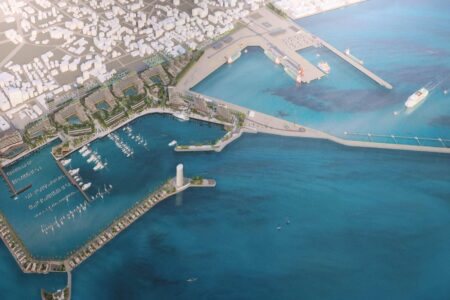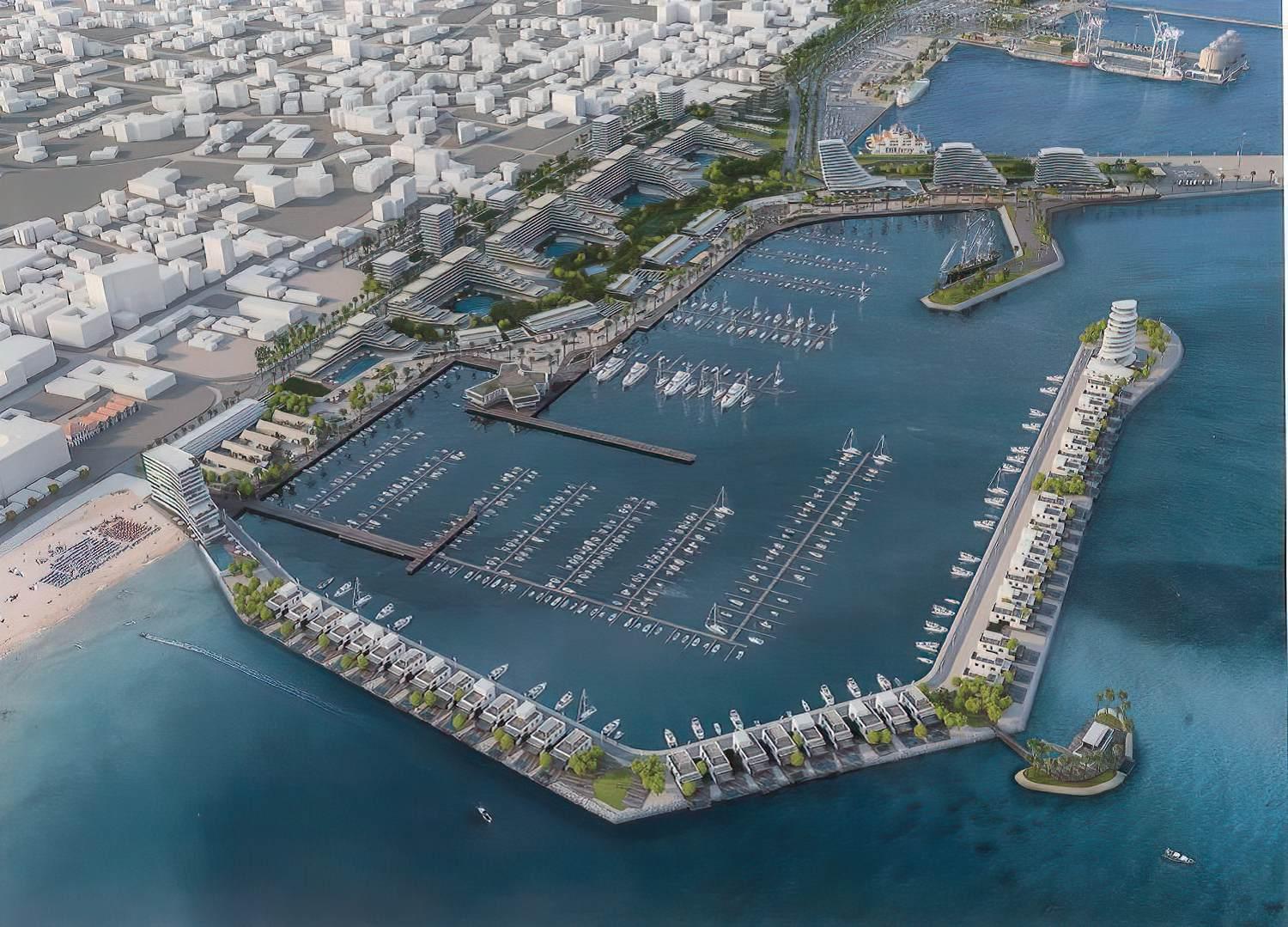
For decades, Larnaca was perceived by investors as a more affordable and tranquil alternative to dynamic Limassol. However, in 2026, the city finally cemented its status as Cyprus’s premier investment frontier. The catalyst for this change was the largest infrastructure project in the island’s history—the comprehensive reconstruction of Larnaca Port and Marina, costing a total of €1.2 billion. This project doesn’t simply renew the coastline; it completely reshapes the city’s economic landscape, transforming old industrial and port areas into elite residential and business districts.
Contents
The scale of the transformation and key stages of the project
The reconstruction project, being implemented by the Kition Ocean Holdings consortium, covers an area of over 330,000 square meters. The development concept includes four phases, the first of which, by 2026, has already significantly transformed the waterfront. The main goal is to transform Larnaca into a modern maritime hub capable of accommodating yachts of all sizes, including superyachts and the latest-generation cruise ships.
In addition to expanding the quay wall, the project includes the construction of a new port headquarters, a cruise terminal, and a luxurious promenade with retail space, restaurants, and parks. The residential component of the project consists of high-rise buildings with panoramic views of the Mediterranean Sea, setting a new standard for construction quality in the city. The introduction of these buildings has led to the emergence of a fully-fledged ultra-premium real estate segment in Larnaca for the first time, previously found only in Limassol.
Impact on market value and price dynamics
The start of construction at the port has triggered a domino effect across the entire Larnaca real estate market. Over the past three years, prices per square meter in areas adjacent to the Marina have increased by 25-35%. Investors who entered projects at the planning stage of reconstruction have seen their assets significantly capitalized by 2026. The New Marina and Livadia areas have become the most sought-after locations for new apartment construction.
The secondary market in the city center deserves special attention. Old buildings in the Finikoudes and Ermou Street areas are undergoing gentrification: private investors are buying up properties for complete renovation, recognizing that the proximity to the new port guarantees strong demand from tenants. Rental prices in Larnaca have also shown record growth, catching up with Limassol, providing property owners with a return on investment (ROI) of 6-8% per annum, one of the highest rates on the island for residential properties.
Development of supporting infrastructure: the Land of Tomorrow project
The port’s redevelopment is enhanced by a parallel project—the relocation of oil terminals and gas storage facilities from the city’s northern coast. The “Land of Tomorrow” project is being implemented on the three-kilometer-long vacated area. This project aims to create a new “city within a city” with its own beaches, eco-friendly residential complexes, and office centers. The synergy of these two mega-projects is transforming Larnaca’s entire eastern coastline into a single, luxury development zone.
For investors, this means that the potential for price growth in Larnaca is far from exhausted. While Limassol has already reached a certain price plateau, Larnaca is in a phase of active growth. The development of business infrastructure is attracting international companies to the city, which are relocating their offices due to more affordable commercial rent and convenient logistics (proximity to the country’s main airport). This creates stable demand for long-term rentals from highly-paid professionals, which is the foundation for a healthy real estate market.
New living standards and investment prospects
The transformation of the marina is also changing the city’s social profile. Larnaca is becoming a center for sailing and nautical tourism, attracting affluent clients from around the world. The new infrastructure includes not only housing but also educational centers, private clinics, and international schools, making the city an attractive destination for families.
From a long-term investment perspective, Larnaca real estate in 2026 represents a balanced asset. On the one hand, investors benefit from the continued growth in land and per square meter prices due to infrastructure improvements. On the other hand, high rental demand ensures a stable cash flow. The scale of public and private investment in the port and marina ensures that this region will remain a key development vector for Cyprus in the coming decade, gradually blurring the lines between “quiet Larnaca” and “business Limassol”.