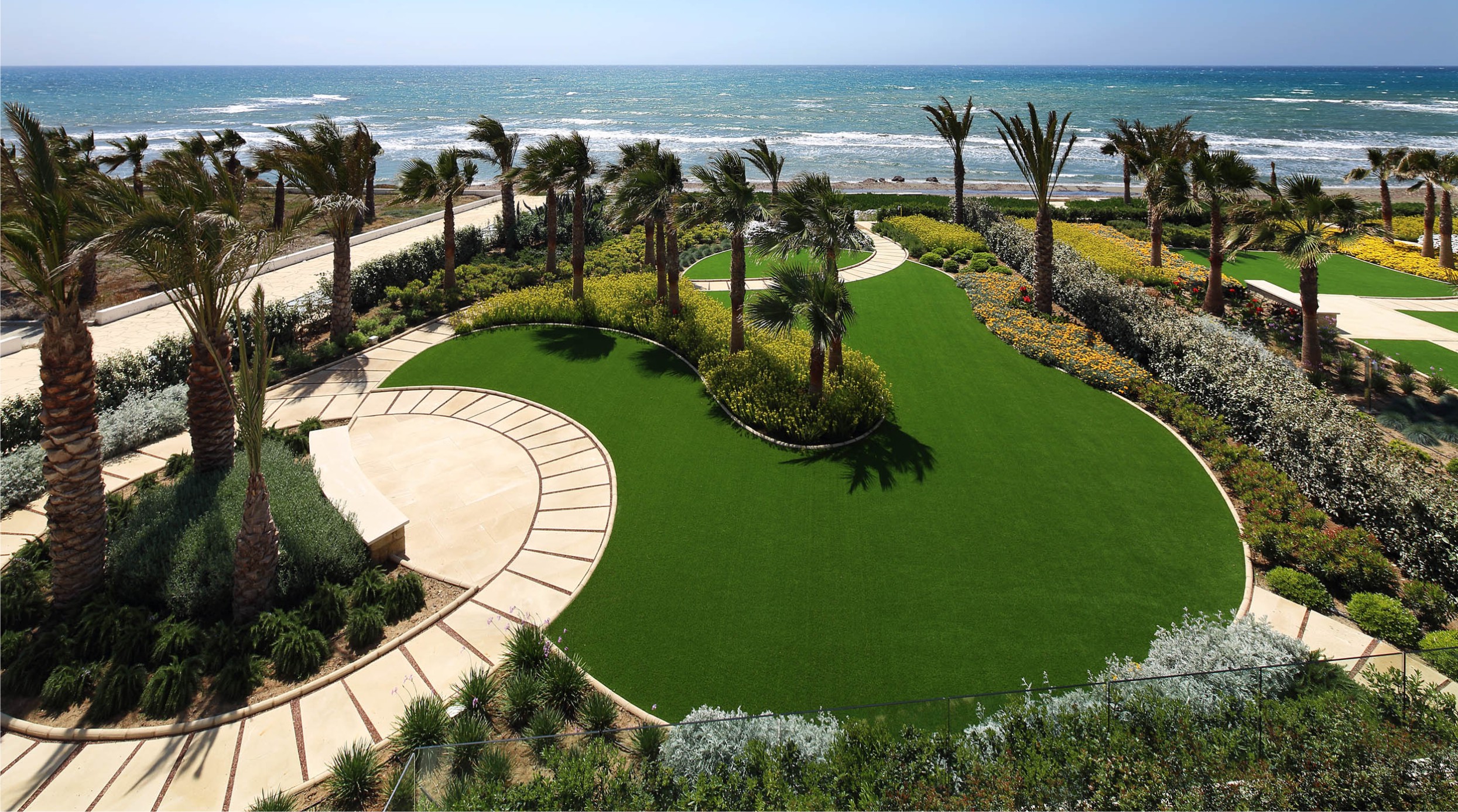
The traditional notion of a luxurious garden as a bright green English-style lawn is gradually giving way in Cyprus to a new aesthetic: xeriscaping. With limited water resources and prolonged periods of drought, property owners are increasingly choosing landscape designs that harmonize with the local environment rather than compete with it. Xeriscaping is more than just a way to save on water bills; it’s a design philosophy that creates sustainable, long-lasting, and visually appealing spaces that require minimal maintenance.
Contents
Xeriscaping Principles: More Than Just Stones
Xeriscaping is often mistaken for simply filling an area with gravel. In reality, it’s a complex engineering and biological concept based on seven key principles.
- Planning and zoning: The plot is divided into zones based on the water requirements of the plants. The most moisture-loving species are placed in shady areas or near the entrance to the house, while the perimeter is planted with the most resilient crops.
- Soil Improvement: Using organic amendments allows the soil to better retain moisture and provide plants with nutrients without frequent fertilizing.
- Efficient Irrigation: Switch from sprinklers that spray water into the air to drip irrigation that delivers moisture directly to the roots.
- Mulching: Covering the soil surface with bark, gravel, or decorative stones. This reduces water evaporation by 50 to 70% and prevents weed growth.
- Lawn restrictions: Replace classic grass with ground cover plants or inert materials (decorative pebbles, crushed stone).
Endemic Plants: Natural Armor for Your Garden
The use of native (endemic) and adapted plants is the foundation of a sustainable landscape. These species have evolved in Cyprus over thousands of years, developing immunity to local pests and the ability to survive temperatures above 40°C.
The following groups are actively used in modern design:
- Aromatic herbs: Rosemary, lavender, thyme, and sage. Not only do they require very little water, but they also infuse the garden with Mediterranean aromas and attract beneficial insects.
- Succulents and cacti: Aloe vera, agaves, and various types of sedum. These plants store moisture in their leaves and can go for weeks without watering.
- Long-lived trees: Olive trees, carob trees, and ornamental conifers. The olive tree is a symbol of Cyprus, becoming more beautiful and valuable with age, enhancing the property’s status.
- Flowering shrubs: Oleander, bougainvillea, and tecoma. They provide vibrant color accents for almost 10 months of the year, yet are extremely tolerant of soil conditions.
Economic benefits and environmental contribution
Switching to xeriscaping has a clear financial justification. The owner of a standard villa on a 500-square-meter plot can reduce water costs by 60 to 80%. In monetary terms, this equates to savings of €400 to €1,200 per year.
Furthermore, gardening costs are significantly reduced. Endemic plants grow more slowly than lawn grass or exotic tropical species, meaning they require mowing every few months rather than weekly. Using mulch virtually eliminates the need for weeding, saving another 300 to 500 euros annually in labor costs.
Impact on the market value of real estate
In the context of the global trend toward sustainability, gardens created using xeriscaping principles are becoming a significant competitive advantage. Buyers in the 2020s have become more pragmatic : they evaluate not only the beauty of the landscape but also the future cost of ownership.
A garden that looks healthy and lush even in August without extreme watering costs demonstrates sound asset management. Realtors estimate that high-quality xeriscaping can add 3 to 7% to a villa’s selling price. This makes it one of the most reliable exterior investments, as, unlike interior renovations, landscaping only increases in value over the years as the trees grow and mature.
Modern technologies in the “dry” garden
Modern xeriscaping actively utilizes digital solutions. Soil moisture sensors integrated into smart home systems can prevent watering if the soil is still sufficiently moist after overnight dew or a light rainfall. Using “greywater” (treated wastewater from the house) to irrigate the garden’s utility areas is also gaining popularity, making the system virtually self-sufficient.
Thus, opting for xeriscaping is a sign of respect for Cyprus’s natural environment and a prudent financial investment. By creating a sun-resistant garden, property owners gain an aesthetically pleasing space that remains green and vibrant even in the driest years, ensuring comfort without breaking the bank.