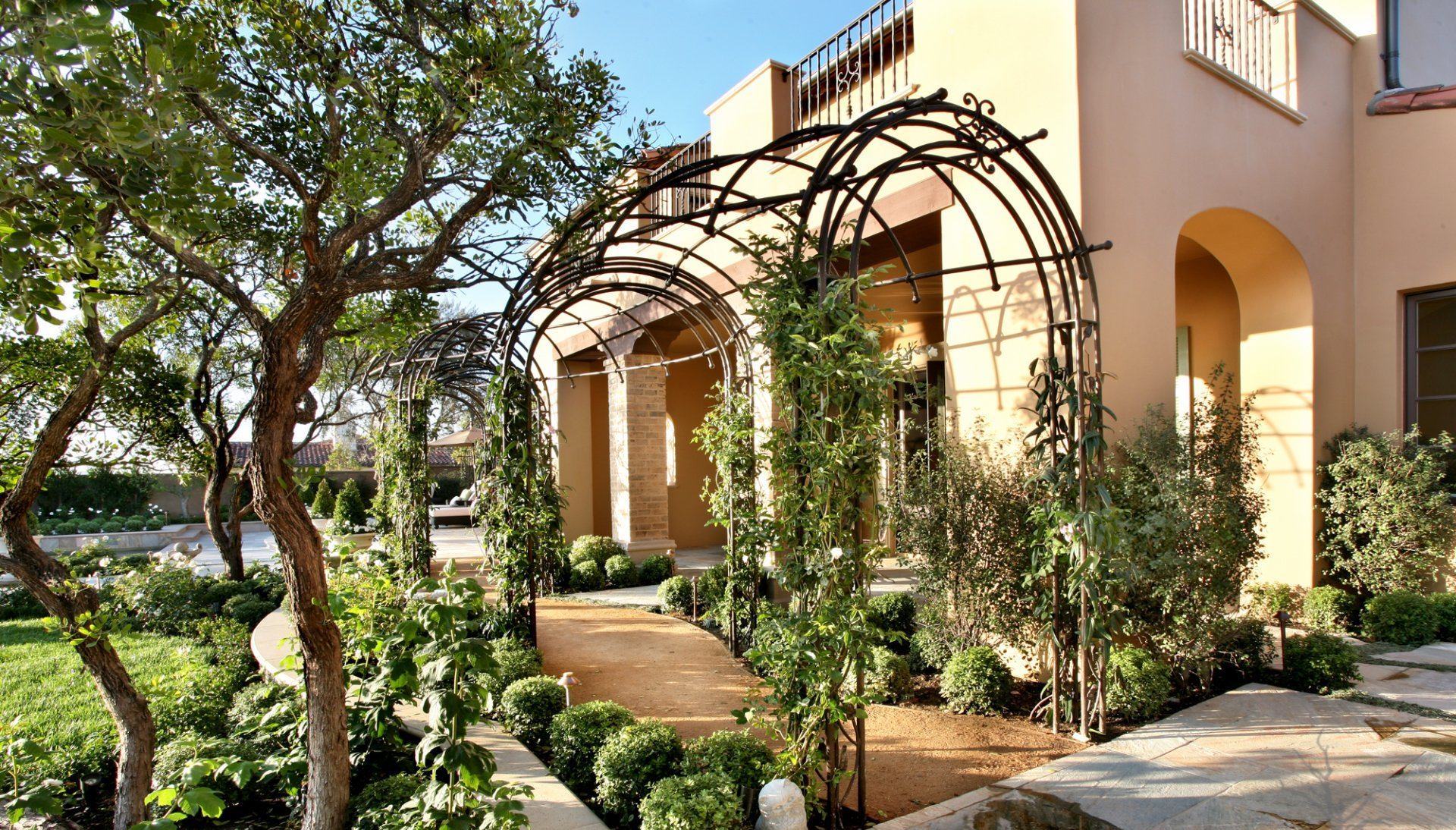
Creating a sustainable and aesthetically pleasing landscape in Cyprus in 2026 requires property owners to move away from traditional “green lawns,” which require colossal amounts of water. In the context of global warming, with summer temperatures in the central and coastal regions of the island consistently exceeding 40°C, xeriscaping is becoming a priority. This landscape design concept emphasizes the use of endemic plants and efficient water management. A well-designed garden not only survives extreme heat but also increases the market value of a property by 10-15% while minimizing operating costs.
Modern landscape design in Cyprus in 2026 is based on three principles: functionality, sustainability, and self-sufficiency. The cost of desalinated water and municipal water tariffs continues to rise, making the maintenance of classic English gardens unfeasible. The average water consumption for irrigating a standard 100-square-meter lawn in July is approximately 1,000 liters per day. Xeriscaping can reduce this consumption by 70–80%.
Soil preparation and mulching
The first step in creating a garden is improving the soil structure. Cypriot soils are often characterized by high lime content and low permeability. In 2026, professionals began using new-generation hydrogels that retain moisture at the roots and release it gradually. A mandatory element is mulching the surface with gravel, volcanic rock, or pine bark in a 5–8 cm layer. This prevents overheating of the root system and reduces moisture evaporation by 50%.
Top 10 plants for the Cypriot garden: aesthetics and hardiness
To create a garden structure in 2026, experts recommend combining perennial trees, flowering shrubs, and succulents adapted to the Mediterranean cycle of “wet winters and dry summers.”
Evergreen trees and large trees
- Olive (Olea europaea). A symbol of Cyprus, capable of living for centuries. Old specimens (“archaic” olives) are a central feature of the landscapes of luxury villas. They can withstand temperatures up to 50°C and require minimal watering after three years of growth.
- Carob tree (Ceratonia siliqua). Ideal for creating shady areas. It has a deep root system and glossy foliage that practically does not evaporate moisture.
- Calabrian pine (Pinus brutia). Suitable for elevated sites. It enriches the air with phytoncides and creates a natural windbreak.
Flowering shrubs and hedges
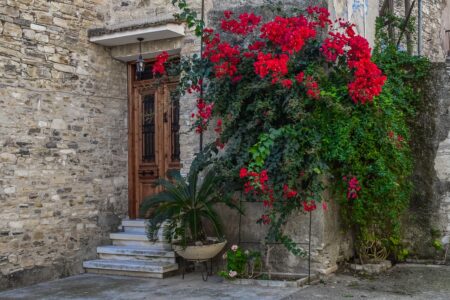
- The most popular plant for vertical gardening. It blooms from April to December. In 2026, double-flowering varieties (Double Orange, Purple Robe) are in demand.
- Oleander (Nerium oleander). Extremely hardy , used to create dense hedges along property lines. Resistant to soil salinity and exhaust fumes.
- Tecomaria capensis. A fast-growing shrub with bright orange flowers that tolerates pruning well.
Aromatic herbs and succulents
Plants considered to be a sign of good design taste in 2026 are used to fill the lower tier and rockeries: rosemary, lavender, sage, and various species of agave. Rosemary (Rosmarinus officinalis) acts as a groundcover, crowding out weeds and emitting a fragrance when heated by the sun.
Garden Economics: Comparing Maintenance Costs in 2026
To evaluate the effectiveness of different approaches to landscaping, a table of annual costs for a 500 square meter plot (residential area + garden) is provided.
| Landscape type | Water consumption ( m³ /year) | Water cost (€/year) | Care (gardener) | Plant lifespan |
| Classic (Lawn + Thuja) | 850–1100 | 1,800–2,500 | 12 visits/year | 5–7 years (high risk of drying out) |
| Xeriscaping (Olive Trees + Gravel) | 150–250 | 400–650 | 4 visits/year | 30–50+ years old |
| Mixed (Smart Irrigation) | 350–500 | 800–1,100 | 8 visits/year | 15–20 years |
Prices are valid for the first quarter of 2026, with average tariffs of 2.5 euros per 1 m³ of water.
Engineering systems: Smart irrigation and recirculation
In 2026, landscape design is inseparable from high technology. Using conventional hoses or simple timers is considered outdated and wasteful.
Smart drip irrigation
Automatic irrigation systems are now equipped with soil moisture sensors and Wi-Fi-connected weather stations. If the weather forecast predicts precipitation for tomorrow, the system automatically cancels watering. Water is delivered directly to the roots through compensated drippers, eliminating moisture loss through evaporation.
Greywater Recycling
For large households, installing greywater treatment systems (water from showers, sinks, and washing machines) is a popular option in 2026. After multi-stage filtration, this water becomes suitable for watering trees and shrubs, making the garden virtually independent of municipal water supplies.
Zoning and hard surfaces
To minimize the heat island on the site in 2026, landscape designers are reducing the area of concrete paving. Instead of solid paving, the following are used:
- Decking made of thermally modified wood or WPC (wood-polymer composite), which does not heat up as much as tiles.
- Perforated slabs (lawn grids) allow rainwater to soak into the ground, refilling underground reservoirs.
- Sun Sails made from modern fabrics with a UV filter reduce the temperature in the relaxation area by 8-10 degrees without the use of fogging systems.
FAQ: Frequently Asked Questions
What plants are best for creating shade around a pool?
It’s recommended to use plants that don’t actively shed leaves or have small fruit to avoid clogging the filtration system. Ideal choices include palms (Phoenix canariensis or Washingtonia robusta) and large-leaved Strelitzia (Strelitzia nicolai). They create a tropical atmosphere and tolerate sunlight reflected from the water well.
How to protect your garden from pests in high humidity winter conditions?
Winter in Cyprus is characterized by spikes in fungal disease activity. In 2026, professionals prefer biological control methods and copper-based systemic fungicides. It is important to ensure good aeration of shrubs through proper pruning in November and December.
Do cacti and agaves need automatic watering?
Despite their drought tolerance, cacti require regular watering every 10-14 days during the first year after planting to establish roots. In subsequent years, in the Cypriot climate, they can survive on natural rainfall, but a little extra watering during the peak heat (July-August) will help maintain their decorative appearance and leaf turgor.
Is it possible to grow an orchard in Cyprus without huge expenses?
Yes, if you choose local varieties. Citrus fruits (lemons, tangerines), pomegranates, and figs are well adapted to the climate. Pomegranate (Punica granatum) is one of the most water-efficient fruit trees. For citrus trees , drought-resistant rootstocks and a deep root irrigation system are recommended for 2026.
How long does it take to create a full-fledged mature garden?
Using modern growth stimulation technologies and planting large trees (5-7 years old), a garden takes on a finished appearance in just 1.5-2 years. When planting young saplings, this process takes 4 to 6 years. In 2026, the Cypriot market was well represented by nurseries offering pre-formed hedges and solitary trees, allowing for immediate results when constructing new villas.