January is low season in Cyprus, but the island retains its mild Mediterranean character and is conducive to leisurely travel. Resort life in Ayia Napa and Protaras noticeably quiets down, with fewer establishments open, but accommodation and excursion prices drop, and queues at popular destinations disappear. This is the time of year when strolls along leafy promenades and historic quarters, culinary discoveries, and mountain trips are especially appreciated.
Contents
Weather in January
Winter marks the beginning of the rainy season: cyclones bring cloud cover, short-lived showers, and northwesterly winds. Average daily temperatures hover around 16°C, with nighttime highs of 9°C to 12°C. The sea cools to 17°C to 20°C, officially closing the swimming season, though a few brave souls still venture out for short swims. Windy periods alternate with calm days when the sun quickly disperses the clouds and warms the embankments.
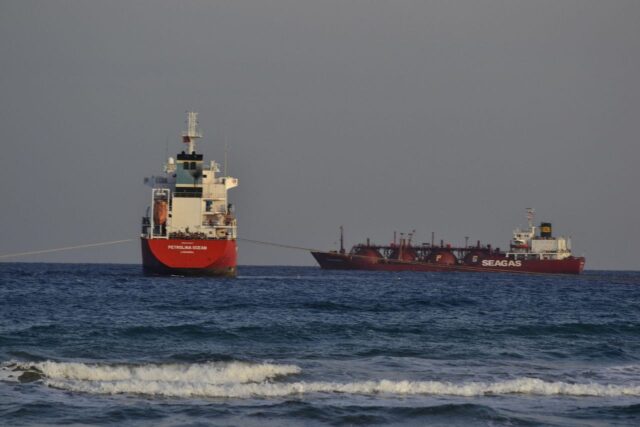
Wind speeds typically reach 10–12 m/s, with occasional stronger gusts, and precipitation varies significantly by region, from moderate in Larnaca to heavier in the northwest. Homes are heated independently, using fireplaces and air conditioning systems, while hotels often offer paid air conditioning. The January climate remains comfortable for excursions, and thanks to the low tourist flow, prices for residential properties, food, and entertainment are reduced by 1.5–2 times.
The atmosphere of a winter island
In January, the streets of Paphos, Larnaca, and Limassol retain their festive décor, shop windows are still adorned with Christmas lights, and bakeries are stocked with seasonal sweets. Citrus trees are in bloom, pomegranates are ripe, and the bazaars are overflowing with local fruits and olives. Locals don’t pick the ripe fruit, so the city streets are littered with it. Tourists enjoy strolling among the blossoming trees and relaxing in their shade. During this time, foreigners can see the island through the eyes of Cypriots.
Regional climate features
Cyprus is a small island—approximately 9,251 square kilometers. Situated in the eastern Mediterranean Sea, the island enjoys a mild subtropical climate. Weather conditions, including temperature, humidity, and pressure, remain relatively uniform across most of the island.
The salt lake, 5 km from Larnaca, fills in January and becomes a birdwatching spot, where pink flamingos flock. Nearby is the Hala Sultan Tekke mosque and an observation deck. The Troodos mountain range occupies most of the island: daytime temperatures here average 5°C, while at night the temperature drops to zero. Snow falls regularly, and the ski resorts open. Mountain villages retain an authentic atmosphere; Kakopetria is famous for its jams made from local fruits, often taken as culinary souvenirs.
Things to do in January
Holidays and Events
On New Year’s Eve, restaurants and clubs offer festive programs, the Limassol Municipality hosts a citywide celebration with a Christmas tree, concert, and dance floor, and the streets are decorated with garlands and gnome figurines. A traditional treat is vasilopita with a “lucky coin.” Whoever finds this coin will find good luck in the coming year.
Epiphany and the Feast of the Baptism of the Lord are celebrated throughout the country. During this time, it is traditional in Cyprus to throw round loukoumades (doughnuts) onto the roofs of houses—a symbolic act believed to help cleanse oneself of evil spirits and misfortune. At the same time, believers perform ablutions and participate in the ceremony of raising the Holy Cross from the water.
Excursions and nature
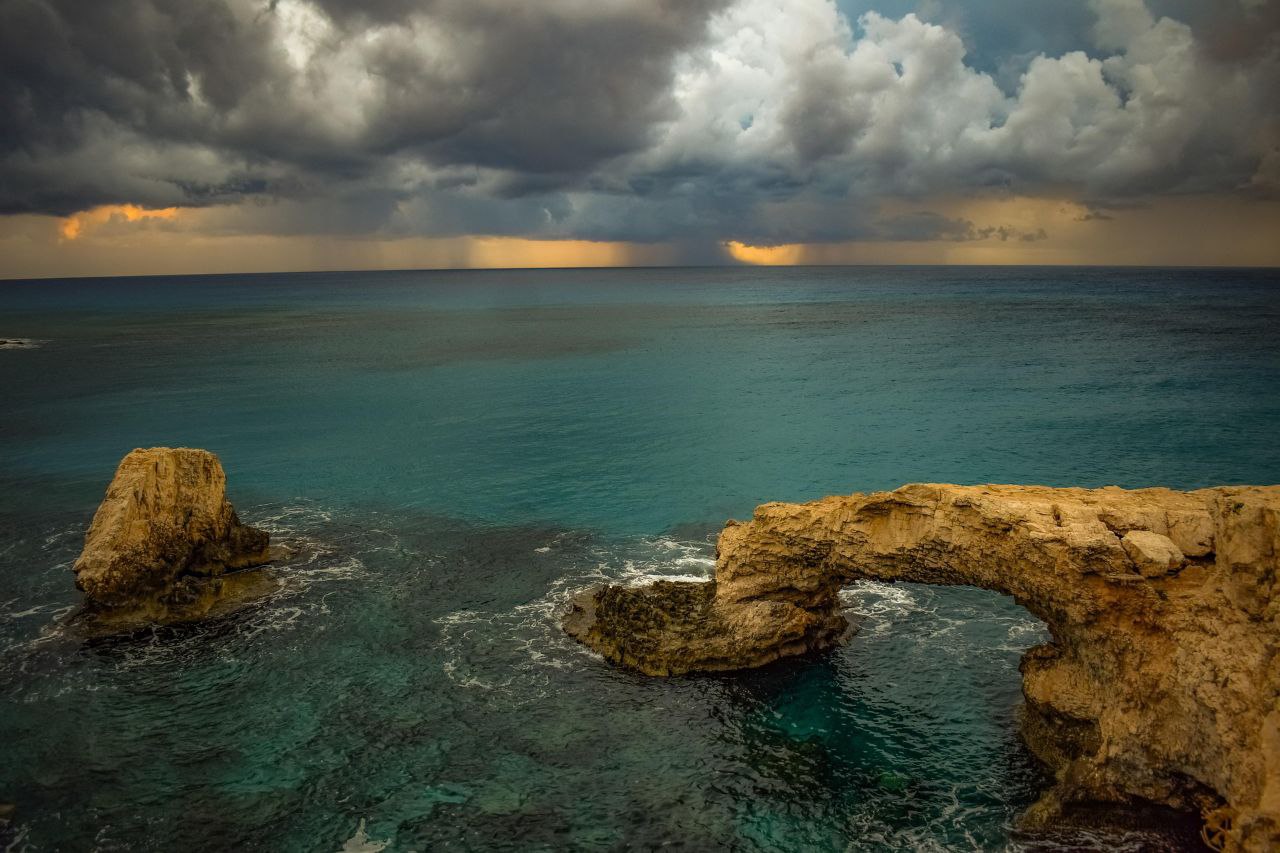
January is ideal for sightseeing tours: ancient Kourion with its amphitheater, the archaeological park and Villa of Dionysus in Paphos, Petra tou Romiou Bay, and Stavrovouni Monastery with its panoramic views of the coastline. In the capital, the Old Town is worth visiting: the Archbishop’s Palace, the Büyük Han caravanserai, and the museums and mosques of both historic parts of Nicosia. During the low season, it’s easy to plan trips to Morphou and Chrysochou Bays, the Akrotiri and Episkopi areas, and the windy capes for photo walks.
Active recreation
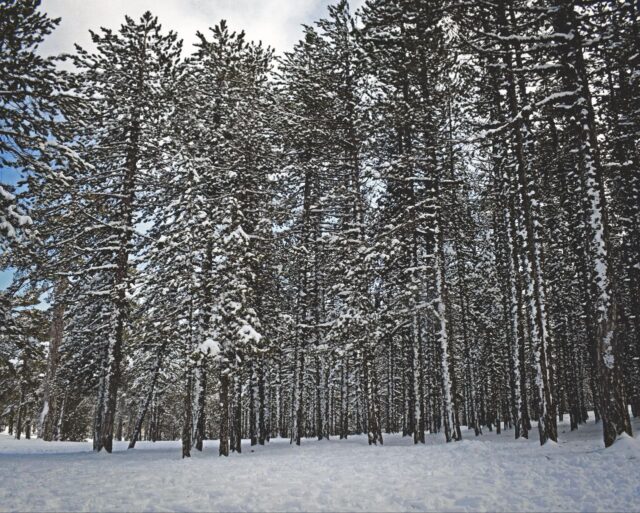
Troodos is home to ski slopes and hiking trails along pine-covered slopes; national parks offer cycling routes and scenic walks. Coastal promenades are ideal for morning jogging and Nordic walking, and hotels often offer heated seawater pools—an alternative to indoor swimming.
Practical advice
Dress appropriately for the season: a light jacket is sufficient during the day, and a sweater and hooded windbreaker are useful in the evening; warmer clothing is recommended in the mountains. An umbrella, waterproof shoes, comfortable trousers, and long-sleeved cotton shirts are essential. For trips to Troodos, gloves and a hat are recommended. When booking a hotel, check the availability of a heated pool and the heating schedule. Wind and precipitation on the coast can change quickly, so it’s best to keep your plans flexible, combining museum visits with periods of good weather.
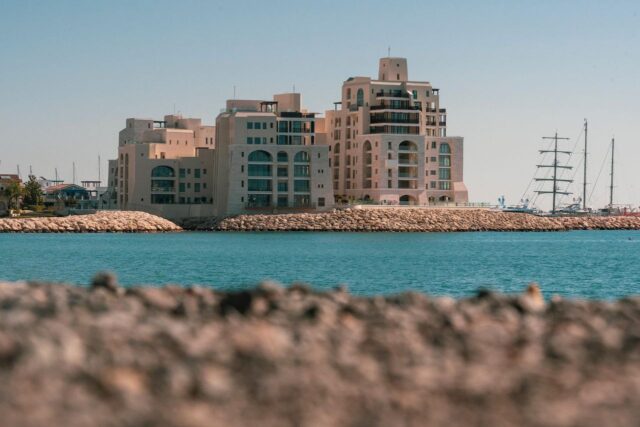
Air temperature and precipitation in Cyprus in January
| City | Average minimum | Average temperature | Average maximum | Precipitation rate | Number of days with precipitation |
| Nicosia | 5.7°C | 10.6°C | 15.5°C | 54.7 mm | 7.3 |
| Larnaca | 7.5°C | 12.1°C | 16.8°C | 77.6 mm | 7.9 |
| Limassol | 8.8°C | 13.2°C | 17.6°C | 86.7 mm | 9.3 |
| Troodos | 0.7°C | 3.5°C | 6.3°C | 133.4 mm | 12.4 |