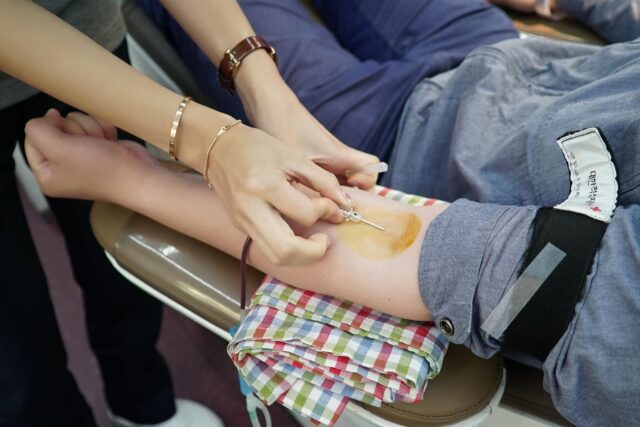
Blood donation in Cyprus is regulated by state health authorities. All procedures are carried out according to strict medical standards and under the supervision of qualified personnel. The primary goal is to ensure patient safety and maintain blood supplies in the country’s hospitals and clinics. Donors may donate voluntarily, but each person screened must meet certain health and age criteria. The Cyprus National Blood Center plays a key role in organizing and coordinating blood donation activities, including mobile blood donation units and regular city events.
Contents
Medical requirements for donors
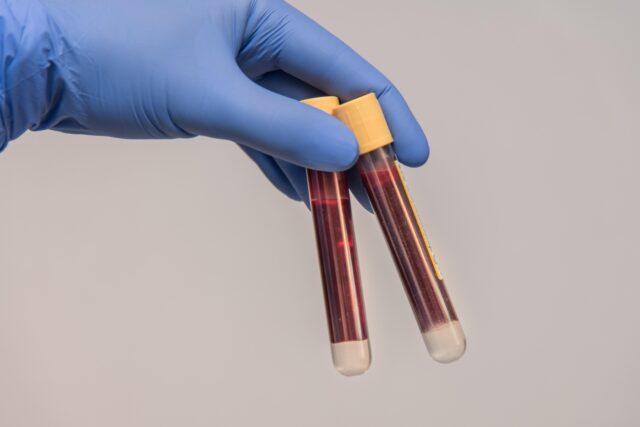
To donate blood, a number of requirements must be met. Candidates must be healthy, free of acute infectious diseases, chronic cardiovascular, or blood problems. Donors typically range in age from 18 to 60 years old and weigh at least 50 kg. Due to physiological differences, women may donate blood less frequently than men. Before the procedure, medical staff conducts a questionnaire, measures blood pressure, checks hemoglobin levels, and checks body temperature. This screening ensures the donor’s safety and the quality of the blood received.
Blood donation points
Cyprus operates both stationary and mobile blood donation centers. The main centers are located in major cities: Nicosia, Limassol, Larnaca, Paphos, and Ayia Napa. They are equipped with dedicated blood collection rooms, waiting areas, and rest and recovery areas after donation. Mobile blood donation centers are located in shopping malls, universities, businesses, and at public events. This makes the process more accessible to residents and tourists, increasing participation in the blood donation program.
Blood donation procedure
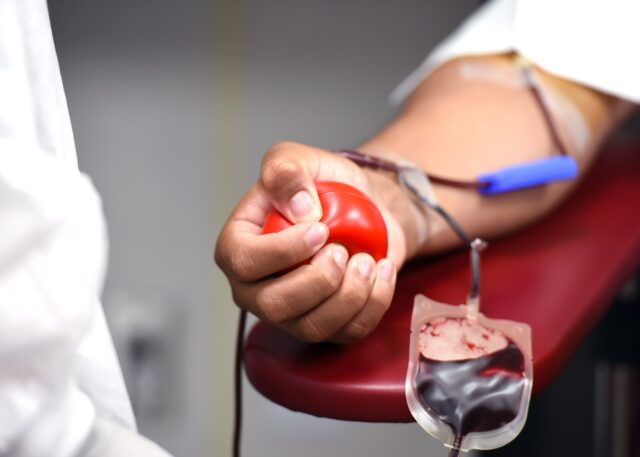
Blood donation involves several stages. First, a medical examination and questionnaire are completed, followed by a small sample taken in advance for testing for infections and hemoglobin levels. Following this, approximately 450 ml of blood is drawn. The procedure takes approximately 10-15 minutes, after which the donor rests in a rest area and receives drinks and light snacks. Medical staff monitor the donor’s condition to avoid any dizziness or weakness. After recovery, the donor can leave the donation center.
Benefits for donors
Donating blood in Cyprus offers many benefits. In addition to the opportunity to help those in need, donors receive free medical checkups, including complete blood counts and blood pressure monitoring. This allows for the early detection of underlying health problems. Some municipalities and medical institutions reward regular donors with certificates or commemorative plaques and also run special promotions with bonuses and gifts. Donating blood promotes social responsibility and promotes public health.
Safety and Sanitary Standards
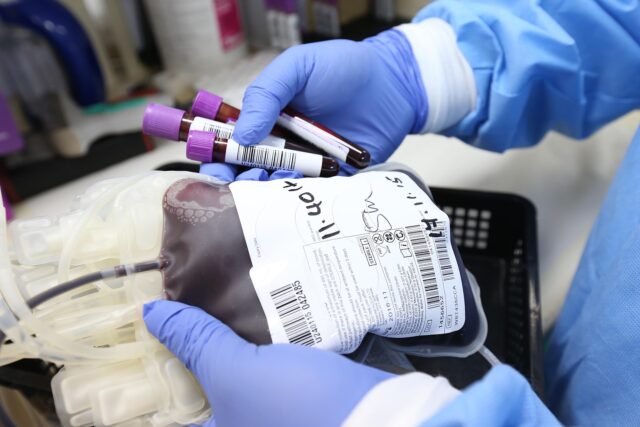
All blood donation centers in Cyprus adhere to strict sanitary standards. Disposable needles and sterile supplies are used. Medical staff undergo regular training in donor care, blood quality monitoring, and infection prevention. Blood donation is safe for most healthy people, and strict blood screening and testing before use eliminates the risk of transmitting diseases to patients. A donor and donation history tracking system is also in place, enhancing the transparency and reliability of the process.
Programs for tourists and temporary residents
Cyprus also offers programs for tourists and temporary residents wishing to donate blood. Foreigners can visit major city centers with their passport and a medical certificate confirming their health. Staff provide instructions in English and conduct questionnaires that comply with international legislation. This makes donation accessible not only to Cypriots but also to tourists, helping to maintain a stable blood supply on the island.
Public initiatives and actions
Blood donation drives are regularly held to coincide with international and national holidays, as well as major sporting and cultural events. Volunteer organizations collaborate with municipalities, universities, and companies to attract donors. Information campaigns include lectures, brochures, and online materials explaining the importance of donating blood and the rules for doing so. These events raise public awareness and encourage voluntary participation.
The blood donation system in Cyprus effectively combines government regulation, educational programs, and active public participation. The development of stationary and mobile donation centers, adherence to sanitary standards, and expanded information campaigns create a safe environment for donors and guarantee a stable blood supply for medical needs. Future plans include further implementation of digital technologies for donor tracking and improved logistics efficiency. Blood donation in Cyprus is a vital part of the national healthcare system, ensuring the lives and health of hundreds of patients.