The moment of handing over the keys is the final stretch of the property purchase process, but it’s precisely at this stage that maximum attention is required. Construction standards in Cyprus have increased significantly since 2026, but the handover procedure remains a critical moment when the buyer must officially confirm that the property meets the stated quality and technical specifications. Signing the handover certificate without a thorough inspection may deprive you of the opportunity to claim for any future repairs at the developer’s expense. To ensure a smooth transition to ownership, it’s essential to follow a clear procedure.
Contents
Pre-inspection and preparation of a snagging list
Before signing the final documents, the buyer has the right to a detailed inspection of the property. In 2026, professional “snagging” (searching for defects) became a virtually mandatory step. It is recommended to hire an independent engineer who, using specialized equipment, will check:
- Evenness of surfaces: walls, floors and ceilings for cracks, unevenness or voids under tiles.
- Operation of systems: water pressure, plumbing, solar panels, air conditioning and underfloor heating systems.
- Electrician: checking all sockets, switches and the correct operation of the electrical panel.
- Insulation: the quality of the seals on the windows and the absence of signs of moisture (dampness) in corners and cabinets.
All identified defects are recorded in a defect report, which is signed by both parties. The developer is obligated to correct these defects within the agreed-upon timeframe (usually 14 to 30 days) before the official handover of the keys.
Verification of documentation and certificates
Taking possession involves more than just receiving the keys; it also involves handing over an important package of documents. The developer is required to provide:
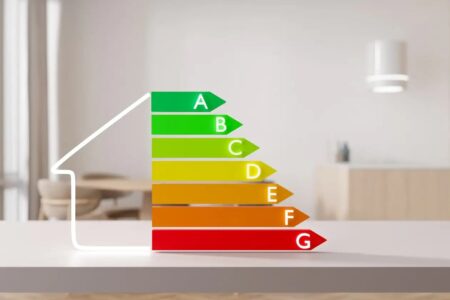
- Energy Performance Certificate (EPC): confirming the energy efficiency class of a property.
- Warranty cards: for all installed equipment (air conditioners, kitchen appliances, pumps).
- Operating instructions: for smart home systems and other engineering units.
- A copy of the Certificate of Final Approval: or confirmation that an application for one has been submitted and is in the final stages of review.
Connecting utilities and transferring responsibility
On the day of key handover, water and electricity meter readings are recorded. This process is fully digitalized: you can photograph the meters and, together with a lawyer, submit an online application to transfer your accounts to the Electricity Authority (EAC) and Vodokanal. It’s important to remember that from the moment the acceptance certificate is signed, responsibility for paying utility bills, municipal taxes, and common house fees (Communal Fees) transfers entirely to the buyer.
Developer’s warranty obligations
According to Cypriot law and standard contracts, a property is covered by warranty obligations. These are typically divided into two periods:
- DLP is typically 12 months. During this period, the developer is obligated to repair any cosmetic defects, such as cracks in plaster due to building settlement, free of charge.
- Structural warranty: for the building’s load-bearing structures – in Cyprus it is 10 years.
Maintain all contact information for the developer’s service departments and maintain official correspondence regarding any issues that arise during the warranty period.
Changing locks and installing security systems
Despite the high level of security in Cyprus, the first recommendation after receiving the keys is to change the lock cylinders on the front doors. During construction, dozens of workers and subcontractors could have had access to the keys. Also, 2026 is driving a trend toward installing modern security systems: video surveillance with smartphone access and burglar alarms connected to a monitoring console. This will not only provide you with peace of mind but can also reduce the cost of your annual insurance policy.
The final stage: registration in the Land Registry
After you’ve taken possession and paid the full price for the property, your lawyer should ensure that all necessary information is updated at the Land Registry. If the Title Deeds for the specific property haven’t yet been issued (which is often the case with new developments), your purchase agreement remains the primary document protecting your rights. Ensure that the agreement is deposited correctly and that you receive official confirmation from the Registry. From this point on, you become the full owner of your home in Cyprus, ready to live in or rent out.