Flipping (from the English word “to flip”) is an investment strategy in which a property is purchased below market value (usually in poor condition), quickly renovated, and resold at a profit. In Cyprus, where much of the housing stock in the central areas of Limassol, Larnaca, and Paphos is obsolete and outdated, flipping has become a highly profitable alternative to passive rentals. The key to success lies in speed of implementation and accurate calculation of the cost of the “upgrade.”
Contents
Finding the perfect flipping target
New buildings aren’t suitable for this strategy. Investors are looking for apartments in 20- to 35-year-old buildings that have “good bones” (a good layout and design), but are unattractive to the average buyer.
Where to look for objects:
- Urgent sales: Properties from owners who need quick cash flow.
- Real Estate Exchequer (REO): Collateralized properties that banks put up for sale to clear their balance sheets.
- Inheritance: Apartments requiring major repairs that the heirs want to sell as soon as possible.
Financial formula for the transaction
To make flipping economically viable, investors typically adhere to the “70% rule”: the total purchase and renovation costs should not exceed 70% of the projected resale value.
Approximate calculation (in euros):
- Purchase: €150,000 (property in poor condition).
- Transfer fees, lawyer: €8,000.
- Renovation (cosmetics + plumbing + kitchen): €30,000 – €40,000.
- Selling price after renovation: €230,000 – €240,000.
- Net profit (after taxes and commissions): €25,000 – €35,000.
What does “rapid renovation” in Cyprus include?
The flipper’s goal is not to create an architectural masterpiece, but to make the property as liquid as possible for the mass buyer or long-term tenant.
- Floor Replacement: Installing modern large-format porcelain tiles over old tiles saves time and money.
- Bathroom renovation: Complete replacement of plumbing fixtures and installation of shower stalls in place of old bathtubs.
- Kitchen and lighting: Modern facades and multi-level LED lighting visually increase the value of an apartment by 20%.
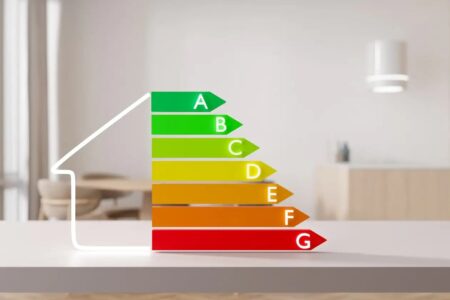
- Energy efficiency: Installation of new aluminum windows and inverter air conditioners is a critical market requirement in 2026.
Taxes and legal nuances
Flipping in Cyprus comes with tax implications that can significantly impact profits if not taken into account in advance.
- Capital Gains Tax (20%): Tax on net profit from resale. It’s important to keep all official invoices from builders and receipts for materials—they can be deducted from your taxable income.
- Frequency of transactions: If you make more than two or three such transactions per year, the tax office may classify your activity as commercial (Business Income), which will entail income tax instead of capital gains tax.
Deadlines and risks
The standard flipping cycle in Cyprus is 4-7 months : 1-2 months for the purchase, 2-3 months for renovations and 1-2 months for the sale.
Main risks:
- Hidden defects: Problems with the building’s general utilities or roof leaks that cannot be detected before demolition begins.
- Delays: A shortage of skilled labor crews on the island could push the schedule back by months.
- Cadastral Valuation: If you bought a property too cheaply, the Cadastre may revalue it at market value, which will increase the amount of Transfer Fees.
Flipping is an active business that requires a constant presence on the island and oversight of contractors. However, for those with local knowledge and access to reliable builders, this strategy remains one of the fastest ways to grow capital in Cyprus real estate.