In the world of professional investing, there’s an axiom: “Profit is made not when buying, but when selling”. Many beginning investors in Cyprus make the same mistake: they spend months choosing a property but have no exit strategy. They enter the market on impulse or under the influence of marketing, and exit under duress—when they need the money or when the asset begins to lose money.
A sound exit strategy is a roadmap that should be developed even before the first deposit. It defines the planning horizon, target return, and action plans for changing market cycles. In the Cyprus real estate market, characterized by low liquidity compared to the stock market, understanding when and how to sell is the only way to protect capital from stagnation.
Contents
Defining the Ideal Horizon: The 5-7 Year Rule
Real estate is an inert asset, and short-term speculation (except for professional flipping) is often offset by transaction costs (VAT, transfer fees, legal fees). Cyprus market statistics show that the optimal holding period for rental assets is 5 to 7 years. Why this particular period?
- Interior depreciation: For the first five years, modern renovations and furnishings remain relevant. After this period, the property requires capital expenditures (CAPEX) to maintain competitive rents. Selling at its peak, before kitchens and bathrooms need replacing, allows these costs to be passed on to the next owner.
- Tax optimization: Over 5-7 years, the inflation indexation (which is deducted from the taxable base upon sale) accumulates sufficiently to significantly reduce capital gains tax.
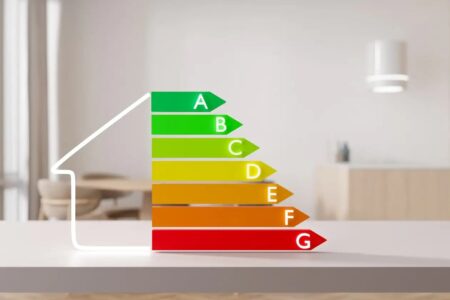
- Market Cycles: The Cyprus economy develops in cycles. Seven years is the average length of the growth phase. Holding an asset longer than 10 years increases the risk of entering a correction phase or facing obsolescence of the building itself (for example, the lack of Class A energy efficiency or charging stations for electric cars).
Tax Math: Capital Gains Tax
Exiting an asset always entails a settlement with the state. In Cyprus, the capital gains tax is 20% of net profit. However, the “gross” difference between the purchase and sale prices is not taxable. A savvy investor knows how to legally minimize this payment.
The following are deducted from profit:
- Transfer fees: Paid at the time of purchase.
- Improvement Costs: If you add a pool, install solar panels, or remodel (and have official invoices for them), these costs are deductible from your profit.
- Inflation: Purchase prices are indexed according to official tables from the Department of Statistics. A euro spent in 2018 is worth more when calculated in 2026.
- Personal exemption: Every individual is entitled to a lifetime tax deduction of €30,000 on profits.
An exit strategy should take these nuances into account. Sometimes it’s more profitable to sell a property in January of the following year rather than December of the current year to optimize tax periods or wait for new inflation rates to take effect.
The Tenant’s Problem: Asset or Encumbrance?
One of the most difficult issues when selling commercial property in Cyprus is what to do with the occupants. Here, the interests of the seller and buyer often diverge. For an investor buying an established business, having a reliable tenant with a long-term contract is a plus. This ensures cash flow from day one (Day 1 Profit).
However , if you’re selling an apartment or villa to an end user (someone who wants to live there themselves), having a tenant becomes a “poison pill.” Cypriot legislation on tenant protection (especially regarding statutory tenants—people renting apartments in buildings built before 1999) is extremely strict. Evicting a tenant to sell the property without their consent is virtually impossible.
Strategy: Vacancy planning should begin 6-12 months before listing the property. The most liquid asset in Cyprus is a freshly painted, unfurnished , unoccupied apartment with all the necessary paperwork. This maximizes the buyer pipeline, including both investors and those seeking a family home.
Document Preparation: A Clean Exit
In a highly competitive market, speed is everything. Cash buyers will choose a property that can be closed within a week. A common seller mistake is listing a property without a complete set of documents. To successfully exit, you must have a Vendor’s Pack ready:
- Title Deed: Free of encumbrances and memoranda.
- Tax Clearances: Certificates of no outstanding property taxes (IPT, if applicable), municipal fees, sewer and garbage collection.
- Energy Performance Certificate (EPC): Mandatory document for sale.
- Utility Bills: Proof of no outstanding balances with the Electric Company (EAC) and the Water Department.
If the buyer discovers that you have an unpaid debt to the municipality for 5 years, the deal will be put on hold and you will lose your negotiating position.
Reinvestment and capital rotation
Exiting an asset isn’t the end, but the beginning of a new cycle. The proceeds from the sale shouldn’t sit in an account, eaten up by inflation. Experienced investors use the Property Ladder strategy or sector rotation. An example of a classic rotation in Cyprus:
- Stage 1: Purchase of a construction site at an excavation pit (Off-plan) at a discount.
- Stage 2: Lease for 5 years (receiving rental income).
- Stage 3 (Exit): Sale of a resale property that has increased in value.
- Stage 4 (Reinvestment): Investing the proceeds (price + profit) in two new properties on the pit or entering the commercial sector (offices/warehouses) to obtain higher and more stable returns.
The ability to take profits early and invest them in a more promising asset distinguishes a professional investor from a simple “real estate owner.” The Cyprus market forgives mistakes when entering, but harshly punishes those who miss the right moment to exit.