In recent years, the Cyprus commercial real estate market has undergone a fundamental transformation. While a decade ago the primary criteria for choosing an office were location and space, today the acronym ESG (Environmental, Social, and Governance) is taking center stage . Environmental responsibility, social significance, and high-quality management have become more than just buzzwords, but a strict economic requirement. International corporations choosing Cyprus as their headquarters are increasingly refusing to consider buildings that lack green certification.
Contents
What are ESG standards in architecture?
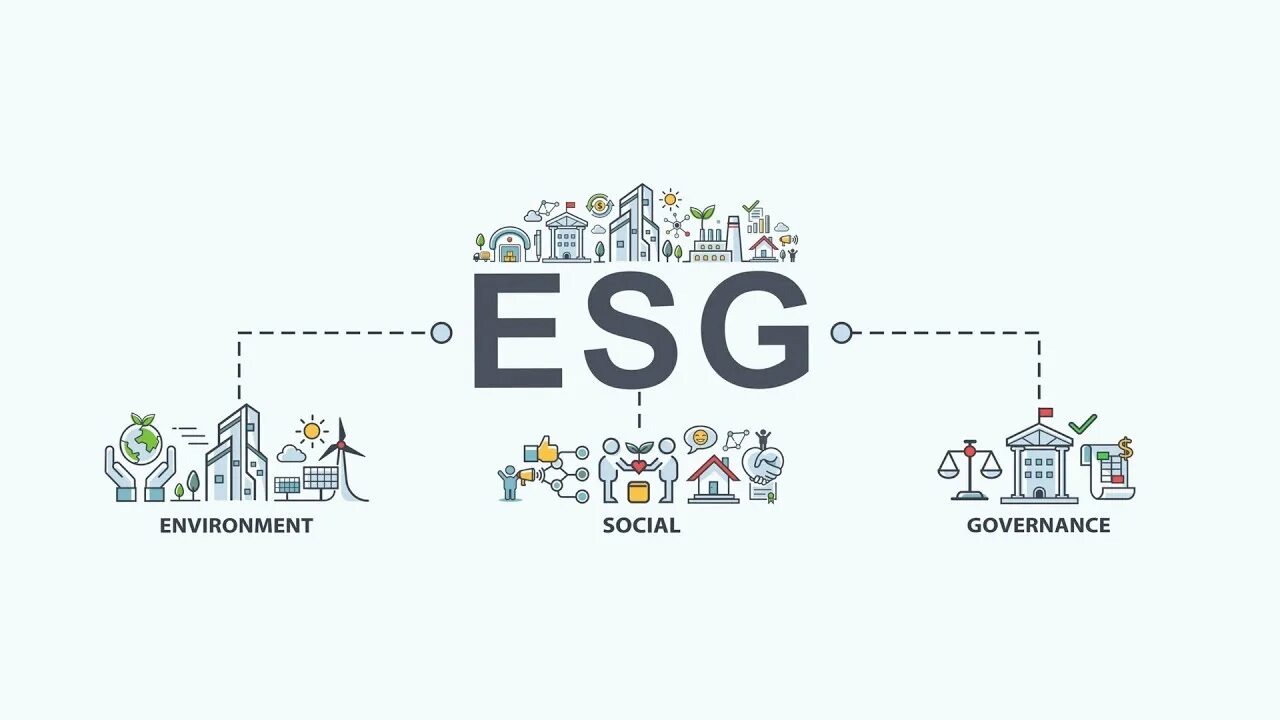
For a building in Cyprus, compliance with ESG principles means integrating technologies that minimize human impact on the environment. The focus is on three areas:
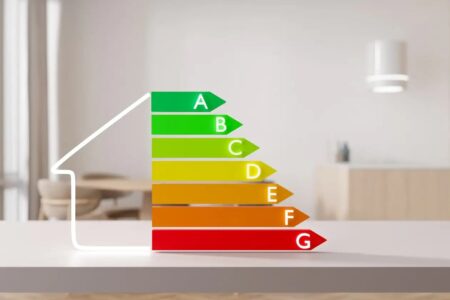
- Energy Efficiency (Environmental): Use of photovoltaic systems, intelligent façades with automatic shading, heat recovery systems, and high-performance glazing. Reducing air conditioning costs is crucial in the Cypriot summer.
- Comfort and Health (Social): Indoor air quality, natural light, employee lounges, gyms, and cycling facilities. The office should promote employee productivity and well-being.
- Governance: Use of building management systems (BMS) that enable real-time monitoring of resource consumption and cost optimization, providing transparency for tenants and investors.
BREEAM and LEED Certification: A Global Quality Mark
Buildings seeking premium status undergo voluntary international certification. The most popular in Cyprus are the British BREEAM and the American LEED . This certification confirms that the building was designed and constructed in compliance with the strictest sustainability standards.
For investors, BREEAM Excellent or LEED Gold certification guarantees long-term liquidity. Such buildings age more slowly, as their engineering systems are designed for a 15-20-year lifespan and comply with future stringent EU environmental legislation.
The Economics of a Green Office: Figures and Benefits
At first glance, building an ESG facility seems 10-15% more expensive due to the use of advanced materials and automation systems. However, this investment pays off in several ways:
- High rental rates: Tenants are willing to pay a premium of 15–25% per square meter in a “green” building. For multinational companies (especially in the IT and financial sectors), having a green office is part of their annual sustainability report.
- Reduced operating costs: Modern energy management systems can reduce electricity and water bills by 30–50% . For a 5,000 sq. m. business center, this translates into significant annual savings.
- Yield: Institutional investors and real estate funds value ESG properties higher because they have minimal vacancy risks. Tenants are already lined up for these buildings even at the foundation stage.
ESG as a tool for attracting talent
In the global battle for talent, the office is no longer just a place to work. For Generation Z and millennial employees, company values matter. An office in a building that prioritizes ecology and human health becomes a powerful HR tool. In Cyprus, where the IT sector is one of the main drivers of demand for commercial space, developers quickly realized that to attract giants like JetBrains, Revolut, or Wargaming, they need to build to the standards of the future.
Investment Prospects: Green or Nothing
The market is moving toward a situation where properties that don’t meet ESG criteria (so-called Brown Buildings) will face a “brown discount.” They will be harder to rent out, more expensive to maintain, and banks will offer less favorable financing terms for their purchase.
In Cyprus, we are already seeing the emergence of iconic buildings in Limassol and Nicosia that are setting a new bar for quality. For private investors in commercial real estate, the strategy is simple: investing in ESG-compliant projects is the only way to protect capital from asset obsolescence in the next decade. A building that conserves the planet’s resources today saves and grows its owner’s money.