The Cypriot real estate market is undergoing a profound qualitative transformation, with energy efficiency becoming a determining factor in liquidity. Amid the global energy transition and Europe’s commitment to decarbonization, properties that do not meet high environmental standards are gradually losing their investment appeal. Today, buyers and renters are looking not only at size and design, but also at Class A energy efficiency certification , the presence of photovoltaic systems, and the quality of thermal insulation. This has led to a significant price gap between older housing stock and modern “green” projects, in some cases reaching 25%.
Contents
A energy certificate
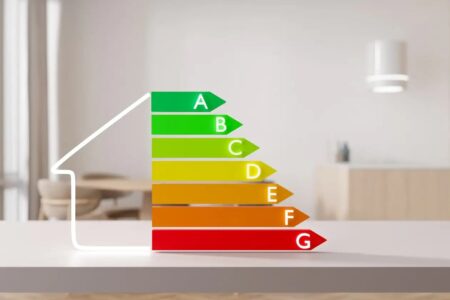
In Cyprus, legislation requires every developer to provide an energy performance certificate when selling or renting out a property. Class A buildings have minimal heat loss thanks to the use of modern construction materials and technologies. This includes the installation of double- or triple-glazed windows with thermal breaks, the use of extruded polystyrene foam at least 8 or 10 cm thick for wall and roof insulation, and the use of energy-efficient lighting systems. The difference in operating costs between a Class A and Class C property can be over 50% per year, making modern buildings a priority for long-term ownership.
Investors view Class A as a guarantee of stable asset value. With energy prices rising, which have in some periods reached up to 30% over 12 months, energy-efficient technologies offer a form of capital insurance. Properties with low energy consumption are easier to assess by banks and are more often approved for mortgages with reduced interest rates. Some Cypriot banks have already introduced “green” mortgage products, offering rates up to 0.5% lower than the standard for homes with a high environmental rating.
Solar Energy : Net Metering and Net Billing
Using solar energy in Cyprus is not just an environmental initiative, but an economic necessity. The island enjoys over 300 sunny days a year, making photovoltaic systems the most effective way to reduce utility costs. There are two main connection options: Net Metering for private homes with a capacity of up to 10 kW, and Net Billing for commercial properties or large residences. Net Metering allows owners to “dump” excess energy into the grid during the day and recycle it in the evening, paying only the difference. This allows electricity bills to be reduced to virtually zero, leaving only minimal municipal fees.
A shared-use concept is being implemented in apartment buildings, with rooftop solar panels powering elevators, hallway lighting, and swimming pool pumps. This significantly reduces monthly common area maintenance fees, which in premium complexes can range from €150 to €400. Having a private solar power system increases the market value of a villa by 5 to 7%, as buyers realize the immediate benefit of eliminating high air conditioning and hot water bills.
ESG standards and corporate demand
The acronym ESG (Environmental, Social, and Governance) has become a key indicator for the commercial and luxury real estate market. International corporations opening offices in Cyprus are required to adhere to their internal sustainability policies. This means they cannot lease space in buildings that do not meet strict environmental standards. This creates an incentive for developers to implement rainwater harvesting systems, use recycled materials in finishes, and install charging stations for electric vehicles. In 2026, the presence of at least one charging point for every five parking spaces became a mandatory standard for Class A offices.
The social aspect of ESG is reflected in the creation of inclusive environments and public spaces within residential complexes. Investors invest in projects that offer parks, playgrounds, and gyms accessible to residents. This increases tenant loyalty and reduces employee turnover in business centers . Statistics show that buildings certified to international standards such as BREEAM or LEED have 15% higher rental rates and occupancy rates 30% faster than traditional commercial buildings.
Government subsidies and tax incentives
The Cypriot government actively encourages the modernization of older housing through the “Exoikonomo – Anavathmizo” program. Under this initiative, owners can receive grants covering up to 60% or even 80% of the costs of window replacement, façade insulation, and solar panel installation. The maximum subsidy per property can reach €32,000, making the renovation process cost-effective for individuals. Businesses also benefit from incentives: the costs of implementing energy-saving technologies can be deducted from taxable income on an accelerated basis.
Investing in eco-friendly real estate in Cyprus is a strategy focused on long-term capital preservation. The transition to green standards is irreversible, and properties that ignore these requirements will face technical obsolescence and declining demand within the next 10 years. By choosing residential or commercial space with a high energy efficiency rating today, investors receive not only a comfortable living environment but also a highly liquid asset, protected from energy price inflation and changing EU legislation. The cost of ownership of such a property over a 15-year period is 40% lower than that of traditional counterparts, confirming the status of energy efficiency as the primary criterion for smart investments.