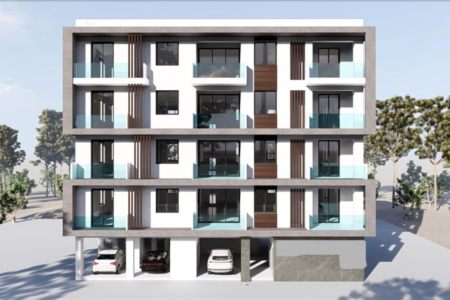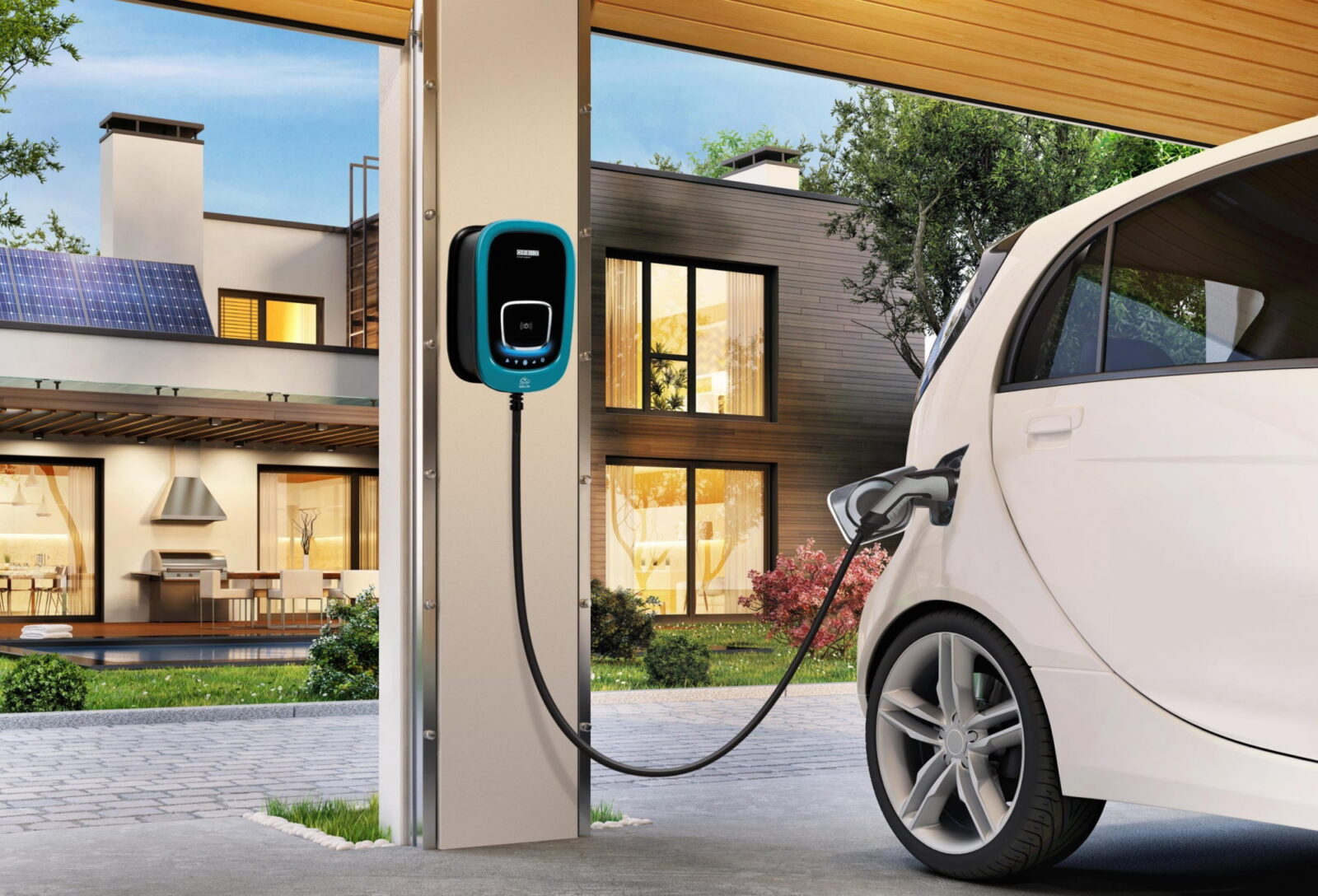
In 2026, the availability of developed electric vehicle charging infrastructure (Electric Vehicle Supply Equipment (EVSE)) became a determining factor in the liquidity of residential real estate in Cyprus. According to the updated EU Energy Performance of Buildings Directive (EPBD 2024/1275), the deadline for its implementation into Cypriot national legislation is set for May 29, 2026, parking requirements for residential complexes have become significantly more stringent. Parking is no longer just a convenience option, but a strict legal obligation for developers and management committees. For wealthy investors and expats, understanding these regulations is critical when choosing a property for purchase or long-term rental.
Legislative framework and the “Right to Charge” in 2026
A key change in 2026 was the final enshrinement of the “Right to Plug” principle in Cypriot legislation. Before these regulations were adopted, apartment owners in multi-apartment buildings often faced blockages from the installation of personal charging stations by management committees or neighbors.
Simplifying procedures for owners
Since May 2026, the approval process for installing charging devices in existing residential buildings has been simplified. If a parking space owner plans to install certified equipment at their own expense, the management committee has no right to refuse installation, provided technical safety standards are met. The only legal basis for refusal is a critical shortage of available electrical power in the building, confirmed by an official audit by the Department of Electromechanical Services (EMS).
Requirements for new residential buildings and renovations
For projects granted a building permit after January 1, 2025, and scheduled for commissioning in 2026, strict infrastructure preparation standards apply.
Technical equipment of parking lots
Under the new rules, all new residential buildings with more than 3 parking spaces must meet the following criteria:
- Pre-cabling is required for at least 50% of all parking spaces. This means power lines must be connected to the parking lot’s distribution boards, allowing the owner to install a charging station in just one day without cutting walls.
- Providing ducts for the remaining 50% of parking spaces to allow for rapid cable installation in the future.
- Mandatory installation of at least one public charging point per residential complex if the building is classified as mixed-use or has guest parking.
These measures aim to ensure that by 2030 every parking space in Cyprus can be electrified without major reconstruction of the building’s utility networks.
Comparison of infrastructure types and costs in 2026
The choice of system depends on the size of the residential complex and the available capacity of the EAC (Electricity Authority of Cyprus) network.
| Parameter | Custom solution (Wallbox) | General residential complex network with load balancing | High-speed hubs (DC) in premium residential complexes |
| Power | 3.7 – 7.4 kW (AC) | 11 – 22 kW (AC) | From 50 kW (DC) |
| Average installation cost (€) | 1,200 – 1,800 | 2,500 – 4,500 (per point) | From 15,000 |
| Charging speed (80%) | 6–10 hours | 3–5 hours | 30–50 minutes |
| Consumption metering | Individual counter | Smart billing via app | Integrated terminal |
| 2026 requirement | Standard for townhouses | Standard for class A apartments | Option for luxury residences |
Process Economics: Net Billing and Tariffs for 2026
As of January 1, 2026, Cyprus has fully transitioned to a net billing system for all new renewable energy connections. For electric vehicle owners, this has changed the payback model for solar panels.
Integration with photovoltaics (PV)
Charging an electric vehicle during the day from a solar system allows for energy use at a cost of generation that is three times lower than the EAC retail tariff. In 2026, modern inverters will automatically redirect excess solar energy to the vehicle’s battery (PV-to-EV function), preventing energy from being sold to the grid at low wholesale prices (approximately €0.19/kWh) and subsequently purchased at night at a high price (approximately €0.40/kWh).
Technical Standards and Smart Charging
By 2026, Cyprus will ban the installation of “dumb” (unmanaged) charging stations in apartment buildings. All equipment must support the Open Charge Point Protocol (OCPP) version 1.6 or higher.
Dynamic Load Management (DLM)
The main problem with the old Limassol and Nicosia networks is the risk of overload when 10-15 electric vehicles are connected to the same building at the same time. Smart Charging systems solve this problem:
- The stations communicate with each other and distribute available power.
- If one car is charged to 90%, the system reduces its priority, giving power to the discharged car.
- During peak hours of load on the city network (18:00–21:00), the charging speed can be automatically reduced to protect the common building transformer.
EV 1000 subsidy programs
The Cypriot government will continue its grant program for the development of a charging station network in 2026. Under the current program, private companies and residential complex management committees can receive reimbursement of up to 50% of the cost of equipment and installation.
Conditions for receiving a grant:
- The maximum subsidy amount per standard charging point is €1,100.
- For high-power systems in common areas – up to €30,000.
- The equipment must be new and comply with European CE safety standards.
- Work must be carried out by a licensed electrician registered with the EMS register.
Impact on investment property value
Cyprus real estate market statistics for the first quarter of 2026 confirm a direct correlation between the availability of charging infrastructure and the speed of property completion. Apartments in complexes where every parking space is pre-cabling are rented out 15–20% faster.
For investors operating in the short-term rental segment, the lack of charging capabilities for rented electric vehicles is becoming a critical drawback in reviews on booking platforms, as the rental car fleet in Cyprus in 2026 will consist of more than 40% electric cars and hybrids (PHEVs).
FAQ: Frequently Asked Questions
Is it possible to charge an electric car from a regular 220V socket in a parking lot?
Technically, this is possible with an adapter (Granny Cable), but it is not recommended for continuous use. Standard household sockets are not designed to handle continuous loads of 2–3 kW for 10–12 hours, which could lead to melted contacts and fire. Furthermore, as of 2026, many insurance companies in Cyprus will refuse to pay out for fires unless charging is done through a specialized Wallbox station.
What is the fine for parking a gasoline-powered car in a charging space?
Since the end of 2025, Cyprus has imposed a fixed fine of €85 for blocking a charging station. This applies to both owners of internal combustion engine vehicles and owners of electric vehicles that are parked at the station but not connected to a cable or have already completed charging for more than one hour.
Do I need to change the main panel in my apartment to install a charger?
In most cases, when installing a station with a capacity of up to 7.4 kW (single-phase), replacing the panel is not required; however, a separate circuit breaker and a type B residual-current device (RCD) must be installed. DC leakage protection will also be mandatory in 2026.
How is electricity bills divided in shared parking?
Modern residential complexes built in 2026 use systems with individual identification via RFID cards or mobile apps. Each charging session is accounted for separately, and the amount is automatically added to the apartment owner’s monthly bill (Common Expenses) or deducted from the balance in the provider’s app.
What documents are needed to legalize a charging station in 2026?
For private installations, a certificate of conformity from a licensed electrician, the station’s technical specifications, and a connection plan must be submitted to the EAC. For shared installations in residential complexes, minutes of the management committee meeting are also required (using a simplified procedure, as per 2026 regulations).