Over the past 10 years, Cyprus’s education sector has become a key pillar of the national economy, exerting a direct and powerful influence on the real estate market. The government’s strategy to transform the island into an international educational hub has attracted tens of thousands of international students from Europe, the Middle East, and Asia. Today, Cyprus boasts over 10 universities and numerous colleges, but dormitory infrastructure woefully underperforms to keep pace with the growing student population. This imbalance in supply and demand has created a unique investment niche: private student housing. Unlike tourist rentals, which are subject to seasonal fluctuations, or the office sector, which is dependent on business cycles , student housing has demonstrated remarkable resilience to any crisis, as education remains a priority for families even during challenging economic times.
Contents
Nicosia: The Capital of Student Life and the Engomi District
Nicosia undisputedly holds the title of the island’s premier university city. It is home to the country’s largest universities, such as the University of Nicosia (UNIC) and the European University Cyprus. The Engomi district, where the main campuses are concentrated, is a classic example of how educational institutions can transform an urban environment. Investors who invested in real estate in this area five or seven years ago are now enjoying some of the highest returns on the island. Demand for studios and one-bedroom apartments is so high that waiting lists for rentals form three or four months before the start of the academic year.
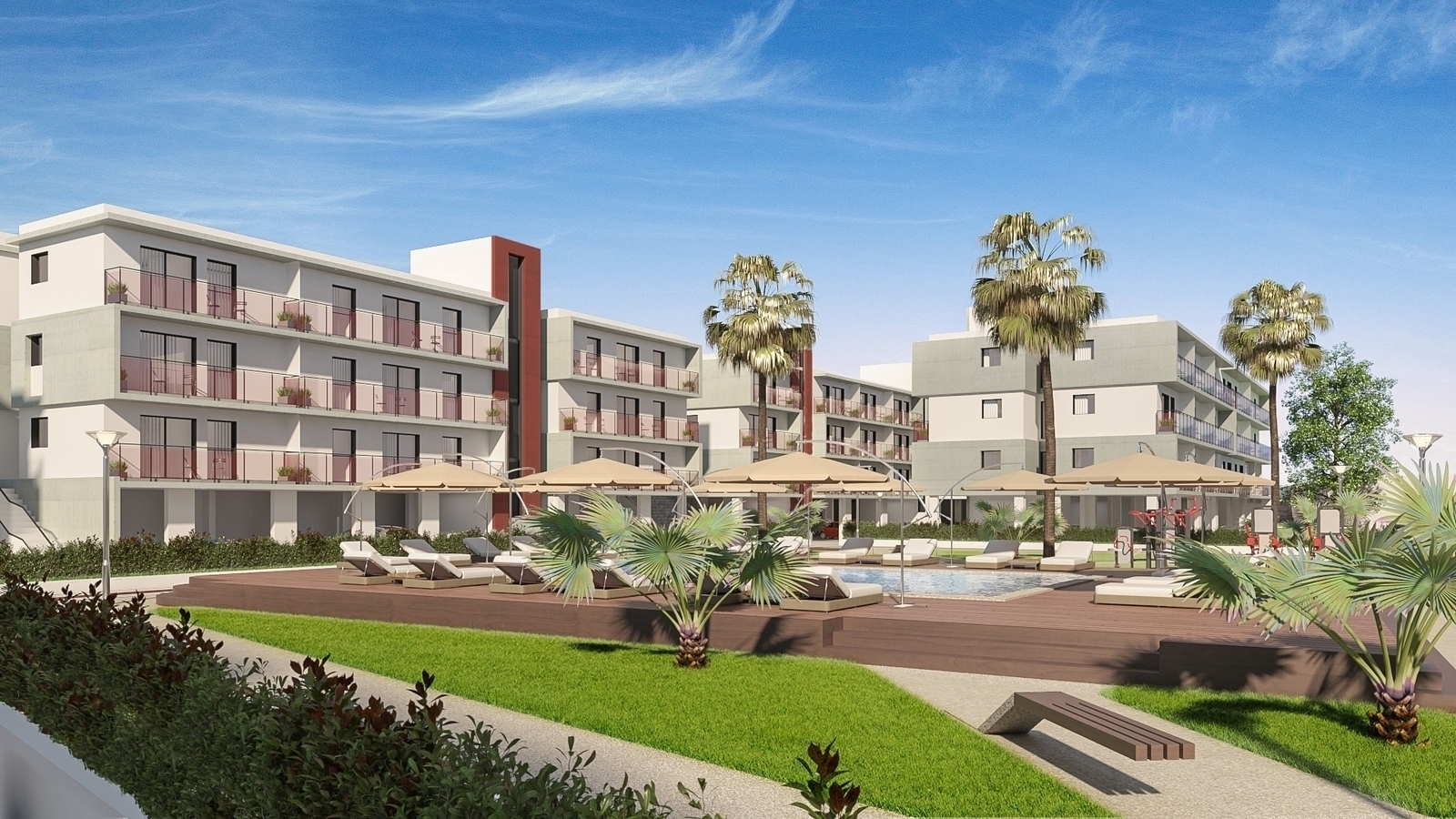
The Nicosia market is characterized by a high concentration of solvent international students, especially in medical schools. Parents of future doctors are willing to pay a premium for the comfort and safety of their children. This has led to the emergence of a new housing format: private hotel-style complexes designed specifically for students. These properties offer more than just a bed, but a fully-fledged living environment, complete with gyms, co-working areas, cafes, and high-speed internet. The return on investment (ROI) on such investments in Nicosia remains stable at 5% to 6% net, and the lack of seasonality allows for contracts to be signed for 12 months at a time.
Limassol: Supply shortage and high rates
The situation in Limassol is radically different from that in the capital . The presence of the Cyprus University of Technology (TEPAK) in the historic city center creates enormous pressure on the rental market, which is already overwhelmed by demand from the IT sector. Students find it extremely difficult to compete with highly paid professionals for housing in central areas. This forces students to look for options on the outskirts, stimulating the development of areas adjacent to the center, which were previously considered less prestigious.
For investors, Limassol offers the opportunity to operate in a high-end market. Renovating old buildings within a 1-2 kilometer radius of the TEPAK campus into modern student apartments is a highly profitable strategy. Property owners often convert large apartments into several self-contained studios, increasing the income per square meter by 1.5 to 2 times. However, it’s important to keep in mind that the barrier to entry into the Limassol market is significantly higher than in Nicosia. The purchase price here can be 30 to 40% higher, but rent for a small studio often reaches €700 to €800 per month, which more than offsets the initial investment.
Paphos: A New Player on the Education Map
Until recently, Paphos wasn’t considered a major educational hub, but the opening of a branch of the American University of Beirut (AUB) and other educational institutions has completely changed the game. The influx of thousands of new students has created an immediate shortage of compact housing in the city, which was traditionally filled with spacious holiday villas. This opens a window of opportunity for investors willing to invest in the construction of small complexes and aparthotels in the city center and the Kato Paphos district.
The Paphos market is currently in the early stages of developing its student segment, meaning lower entry costs and high capital appreciation potential. The price per square meter here still allows for studio apartments to be purchased for €120,000 or €140,000, while rental rates are beginning to catch up with those in the capital. Investors entering this market now can expect asset values to increase by 15% to 20% over the next three years as university infrastructure develops and student enrollment increases.
Management features and requirements for objects
Successful student housing investments directly depend on understanding the needs of today’s youth (Generation Z). Today’s students aren’t willing to settle for “old-fashioned” renovations. The apartment should be fully furnished with modern furniture, have an ergonomic workstation, and, crucially, a powerful internet connection. Air conditioning in every room is a must for the climate, and energy-efficient appliances help reduce utility costs, which are often shouldered by the renter.
Managing student properties has its own nuances. Tenant turnover occurs more frequently than in the family segment—usually every one or two years. This requires the owner to be more proactive in finding new tenants or engaging a management company. However, the risk of default in this segment is minimal, as parents act as financial guarantors in 90% of cases. Furthermore, many owners accept three or six months’ advance payment, ensuring excellent cash flow. Investing in Cyprus’s educational hubs is an investment in a demographically growing and resilient market, which guarantees stability even during economic turbulence.