Investing in off-plan properties in Cyprus is a worthwhile move for those seeking to secure a favorable price in the early stages of a project. However, the specifics of the local real estate market require buyers to carefully consider the transaction’s documentation. Due diligence allows investors to assess the current status of a project and minimize potential delays. Rather than relying on chance, it’s important to follow a sequential list of seven key points to ensure a transparent and secure transaction for both parties.
Contents
Land plot status (Search N.50)
The foundation of any project is the land. Even during the preliminary negotiations, a lawyer should request an official extract from the Land Registry, Form N.50. This document provides up-to-date information on the property’s ownership and any restrictions on the site.
The inspection ensures that the developer has all the rights to operate on the property. If the land is encumbered (for example, a mortgage for the development of a project), this does not prevent the purchase, but requires additional approval of mechanisms to protect the buyer’s interests.
Bank Waiver
In situations where the developer has secured bank financing using the land as collateral, it is important for the buyer to obtain a document known as a Bank Waiver . This is a confirmation letter from the financial institution, in which the bank agrees to release the specific property from its claims once the buyer has fulfilled its payment obligations.
Having such confirmation ensures the buyer’s future home is legally clear. The bank effectively guarantees that your apartment or villa will not be encumbered by the developer’s debts, which will significantly simplify the process of obtaining a Title Deed in the future.
Planning vs. Building Permit Process
In the Cypriot real estate market, the start of sales often coincides with the receipt of the first important document— the Planning Permit . This stage confirms that the project complies with development regulations, including density and number of storeys. Purchasing at this stage is common practice and often results in the lowest price (the “first day price”).
The second document, the Building Permit, is technical and details utility connections and structural safety. The buyer should consider the following:
- A transaction at the Planning Permit stage is permissible, but requires a clear stipulation in the contract of the deadline for obtaining the final permit.
- Having a Building Permit at the time of purchase provides greater confidence that the technical parameters of the project have already been fully approved by the authorities.
- It is advisable that the existing permit number (or the date of application for it) be recorded in the contract to identify the project.
Experience and completed projects
A developer’s reputation is best assessed through their completed projects. Evaluating buildings completed three or five years ago allows you to see how well the company handles maintenance and the quality of the materials it uses.
Visiting such complexes helps assess the durability of the finishes, the work of the management company, and the overall condition of the recreation areas. If the developer’s older properties appear well-maintained, this is a strong indicator of the developer’s reliability and commitment to its clients.
Company structure and transparency
Due diligence includes an analysis of the developer’s corporate structure. Using a Corporate Search extract from the Registrar of Companies, the lawyer verifies that the seller company is active and has the authority to sign documents.
Investors prefer companies with a transparent ownership history. A developer’s portfolio of completed projects and a clear financial profile reduces administrative risks and ensures the company has the resources to complete ongoing construction.
Technical specification of materials
To ensure that expectations for the finished home match reality, a detailed specifications list should be attached to the purchase and sale agreement. It’s important that the document reflects not only general categories but also qualitative benchmarks.
The specification usually includes:
- Approximate budgets for finishing materials (tiles, plumbing, kitchen).
- Types of air conditioning and heating systems.
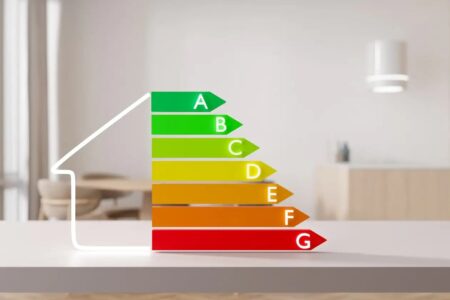
- The building’s energy efficiency class (Class A is considered the standard). Having a detailed description eliminates misunderstandings during the finishing stage and allows the buyer to budget for potential improvements in advance.
Terms and conditions for the transfer of the property
Flexibility and realistic deadlines are the hallmark of an experienced developer. A completion date is always specified in the contract. A grace period, typically 3 to 6 months, is standard practice to cover any unforeseen delays.
To balance interests, the contract specifies conditions for exceeding these deadlines. This may include compensation commensurate with the market rental value of the property, which disciplines the developer and protects the investor’s financial interests. This approach makes the partnership between the buyer and developer more predictable and respectful.
High-quality due diligence conducted by a professional lawyer doesn’t take much time, but it transforms the purchase process from a risky undertaking into a controlled investment. Understanding all the nuances allows the parties to reach an agreement that benefits both the developer developing the project and the buyer acquiring high-quality real estate in Cyprus.