Mega-infrastructure projects have always driven real estate prices, but in Cyprus, the construction of yacht marinas (harbors) holds a special status. These are not just parking spaces for boats, but powerful city-forming clusters capable of completely transforming the social and economic landscape of surrounding areas in 5-7 years. The transformation of old industrial ports into elite lifestyle centers triggers an irreversible process of gentrification, turning depressed neighborhoods into the most sought-after locations on the island. For investors, understanding the mechanics of this process opens up opportunities to enter the asset before it reaches its peak price.
Contents
Limassol Marina: A Textbook Success Story
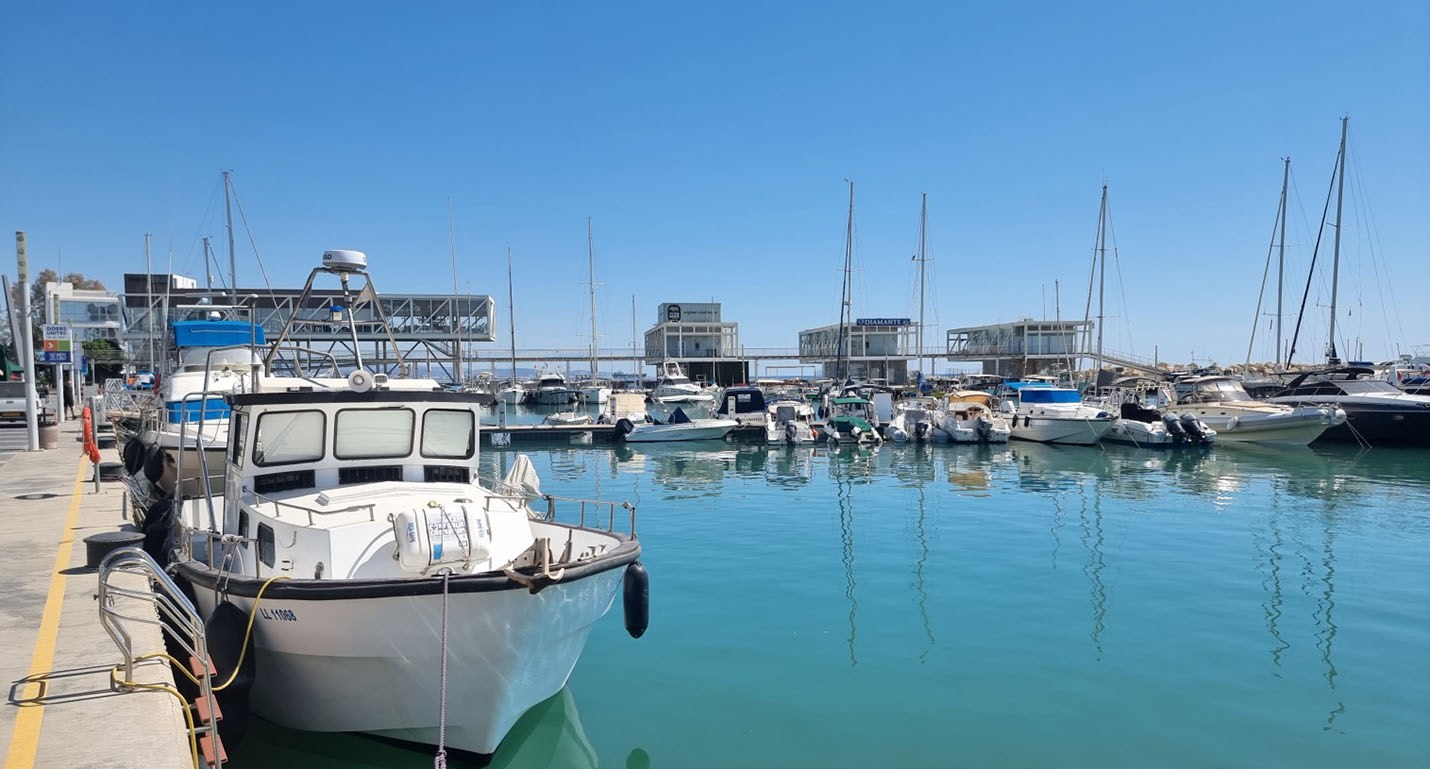
The history of Limassol Marina has become a benchmark for the entire Mediterranean. Before the renovation, the area around the old port and castle was a zone of warehouses, workshops, and dilapidated housing. The project’s launch created a bombshell: the city’s center of gravity shifted toward the sea. Gentrification followed a classic pattern. First, premium residences appeared within the marina itself (“island” villas with private berths), setting a precedent for prices exceeding €10,000 per square meter. Then a chain reaction ensued: investors began buying up old buildings en masse on the adjacent streets of the historic center. Dilapidated buildings were transformed into boutique hotels , trendy bars, and IT company offices. Those who invested in real estate within 500 meters of the marina during the excavation phase saw their capital increase exponentially. Limassol has proven that its marina is a money magnet, brightening the reputation of even the most unassuming areas.
Larnaca: Awakening the Giant and the Effect of Connection
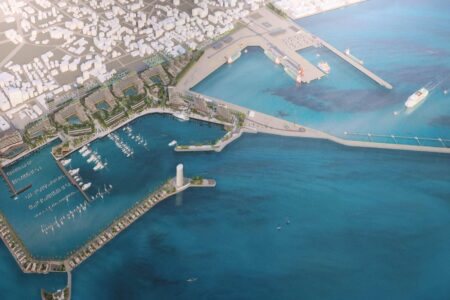
While Limassol is already a thing of the past, Larnaca is currently the epicenter of investment activity. The large-scale reconstruction of Larnaca’s port and marina is the largest infrastructure project in the history of Cyprus. Unlike Limassol, where the marina was integrated into an already dense development, the Larnaca project is opening up vast areas for development, previously occupied by port cranes and restricted areas. The main gentrification effect is expected in the area connecting the famous Finikoudes promenade with the new port area. The demolition of the old oil storage facilities on Dhekelia Road has already triggered a revaluation of the city’s northern coastline. Neighborhoods that for decades were considered “working-class suburbs” or technical zones are rapidly being developed with high-rise complexes and global hotel chains. Analysts predict that the price gap per square meter between Larnaca and Limassol will narrow precisely due to the premiumization of the coastal area around the new marina.
Paralimni and Ayia Napa: New Attractions in the East
The east coast has long suffered from seasonality: life here comes to a standstill with the departure of the last charter in October. The opening of the Ayia Napa Marina and the upcoming Paralimni Marina aims to address this issue by attracting winter tourism and year-round yacht owners. For the real estate market, this means increased demand for quality permanent residences, not just summer rentals. The Ayia Napa Marina has already become an architectural landmark, around which a belt of luxury villas is forming. In Paralimni, the effect is expected to be more localized but no less significant: the transformation of the fishing harbor into a modern maritime hub will elevate the status of the Pernera district, making it attractive to a more affluent clientele.
Second Circle Investment Strategy
Purchasing waterfront properties directly within a marina requires huge budgets and is often overwhelmed by marketing premiums. However, experienced investors employ a “Second Circle Strategy.” The strategy involves finding undervalued properties within walking distance (5-10 minutes) of the marina. These are areas that are inevitably subject to gentrification. As the waterfront fills with boutiques and restaurants, rental demand spills over to the surrounding streets. Residential properties here are becoming increasingly popular among yacht crews, shore workers, and tourists who want to be close to the action but not overpay for a view of the masts. Renovating older properties or purchasing small development lots in such locations provides maximum return on investment (ROI) due to the low entry point and high price appreciation potential.
Social consequences and risks
Gentrification also has a downside: the loss of local residents and small businesses unable to pay rising rents. Traditional coffee shops are being replaced by international franchises, and affordable housing is disappearing. For investors, this signals a shift in tenant profile. While local families were once the target audience, after the launch of a marina, the focus shifts to expats, digital nomads, and short-term tourist rentals. The development of ports and marinas in Cyprus is a long-term trend that is creating new centers of economic power. Real estate near a modern marina is resilient to crises, as the yachting lifestyle attracts an audience less sensitive to economic fluctuations. Investing in such a location is a bet on a new standard of living and infrastructure, which inevitably drives up the price per square meter.