The Cyprus real estate market entered a “mature growth” phase in 2026. While the previous two years were characterized by frantic demand and a sharp price surge, today we are witnessing a more stable, but no less exciting, picture. The island has firmly cemented its status as the Mediterranean’s leading IT hub, which continues to dictate the rules of the game.
In this article, we’ll explore what’s happening with prices right now, which locations have become “dark horses,” and what investors should focus on in 2026.
Contents
Current Market State: 2026 Analysis
At the beginning of the year, the average price per square meter on the island increased by 5-7% compared to the previous year. Experts call this slowdown (after 15-20% in 2023-2024) a “recovery.”
Key influencing factors:
- Headquartering: The continued influx of large international companies is creating a persistent shortage of quality housing.
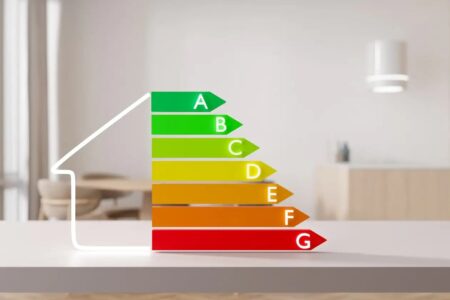
- Building standards: New energy efficiency requirements (Class A) have made new buildings more expensive to produce but cheaper to operate.
- Limited supply: In popular areas of Limassol and Paphos, there is practically no available land left for development by the sea.
Key trends for 2026
Energy efficiency is not a luxury
By 2026, buyers will no longer consider properties with energy ratings lower than “A.” Taking into account the cost of electricity, homes with solar panels and high-quality thermal insulation sell 15% faster.
Decentralization of Limassol
Due to the high cost of living in central Limassol, demand has shifted to the suburbs: Palodia, Pyrgos, and Zakaki. The latter area has become particularly popular thanks to the full launch of the City of Dreams casino resort, which has created new infrastructure around it.
Larnaca – the new star of investment
The Land of Tomorrow project (the renovation of a former oil refinery zone) has transformed Larnaca into a highly promising location. Investors who invested here in 2024 are already seeing a 25-30% increase in property values.
Price forecast by region
| City | Trend 2026 | Expected price increase | Average return on investment (ROI) |
| Limassol | Consistently high demand | +4-5% | 5–6% (long term) |
| Larnaca | Active development | +8-10% | 7–8% (short term/investment) |
| Pathos | Shortage of villas | +6-7% | 6% (resort rent) |
| Nicosia | Student demand | +3-4% | 5% (stability) |
Is it worth buying real estate now?
Many are wondering: is the market overheated? 2026 shows there are no fundamental reasons for a collapse. Demand is being supported not by speculation, but by the actual relocation of thousands of professionals and their families.
An important point: In 2026, the “buy any property and it will appreciate” strategy will no longer work. Now, it’s time to carefully select the location and quality of property management.
Benefits of purchasing in 2026:
- Transparency: Buyer protection laws have become stricter and the Title Deeds process has become faster.
- Taxes: The complete abolition of Stamp Duty has significantly lowered the entry threshold for individuals.
- Rent: Rent rates remain among the highest in Europe relative to the cost of housing.
We expect moderate price growth to continue by the end of 2026. The primary focus will be on high-tech and eco-friendly housing. Those seeking maximum returns should consider northern Larnaca and western Limassol. For those who value stability and comfort, Paphos remains unrivaled.